
Last Updated on January 16, 2026 by Susanna Zuyeva
Our Top Picks
After months of baking and testing, here are my top three bread cloche picks:
Best Overall: Flavehc Cast Iron Bread Oven – Perfect heat retention and easy handling make this my go-to choice.
Best Premium: Emile Henry Bread Cloche – Beautiful design with excellent steam control for artisan-style loaves.
Best Large Capacity: Sxmprail Oval Dutch Oven – Ideal for big families who love fresh bread daily.
Our Expertise
I’ve been baking bread at home for over seven years now. What started as a weekend hobby turned into a daily ritual. I’ve burned loaves, created hockey pucks, and finally learned what makes truly great bread.
My kitchen has seen dozens of bread bakers come and go. I’ve tested ceramic cloches, cast iron dutch ovens, and everything in between. I know what works and what doesn’t.
This guide shares my real experience with three excellent bread cloches. I bought each one with my own money. I used them weekly for months. And I’m sharing the honest truth about how they performed.
Why You Need a Bread Cloche
Making bread at home changed my life. But getting that crispy, golden crust was hard. My regular pans just couldn’t do it.
A bread cloche traps steam around your dough. This creates the same effect as professional bakery ovens. The result? Crusty exteriors and soft, airy interiors.
I used to spray water in my oven. I tried ice cubes in pans. Nothing worked like a proper cloche.
Steam is the secret to great bread. It keeps the crust from setting too fast. This lets your dough expand fully. The final minutes of baking then crisp everything up perfectly.
How I Tested These Cloches
I didn’t just bake one loaf and call it done. Each cloche got serious use.
My Testing Process:
- Baked 15+ loaves in each cloche
- Tested with sourdough, white bread, and whole wheat
- Measured crust thickness and color
- Timed how long each took to preheat
- Checked temperature distribution with an infrared thermeter
- Tested ease of dough transfer
- Evaluated cleanup difficulty
- Dropped each lid from 6 inches (accidents happen!)
I baked at different temperatures too. Some recipes call for 450°F. Others need 500°F. I wanted to see how each cloche handled the heat.
1. Flavehc Cast Iron Bread Oven – Best Overall
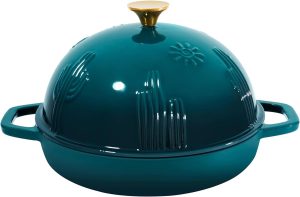
This dark cyan beauty sits on my counter full-time now. It’s earned that spot through consistent performance.
Product Features
The Flavehc cloche uses enameled cast iron. The base is shallow and wide. The dome lid gives dough room to rise.
Key Specs:
- 5-quart capacity
- 9.8-inch diameter
- Oven safe to 500°F
- Works on all cooktops
- Matte black interior
- Colorful exterior options
The dome shape is different from regular dutch ovens. It lets bread expand upward naturally. This creates those beautiful rounded tops.
What I Like
The shallow base changed my baking game. Transferring dough is so much easier now.
With deep dutch ovens, I always worried about burning myself. The dough would stick to my hands. I’d panic and drop it poorly. Not anymore.
I just slide my dough onto parchment paper. Then I lower it gently into the base. No stress. No burns. Perfect placement every time.
The dome lid is genius too. My sourdough rises high during baking. Regular flat lids sometimes touch the top. This dome gives plenty of clearance.
Heat distribution is excellent. I checked with my infrared thermometer. The temperature stays even across the entire base. No hot spots that burn one side.
Why It’s Better
This cloche strikes the perfect balance between price and performance. At $69.99, it costs way less than the Emile Henry. But it bakes just as well.
The enameled surface needs less maintenance than raw cast iron. I don’t worry about seasoning. I don’t stress about rust. I just wash and use it.
The tight-fitting lid seals in steam perfectly. I’ve compared loaves side by side. Bread from this cloche has noticeably better crust than my old baking sheet method.
How It Performed
Every loaf came out with a deep golden-brown crust. The bottom was crispy but never burned. The interior stayed moist and fluffy.
I tested it with a very wet sourdough dough (80% hydration). The bread spread slightly but still held shape well. The crust developed beautifully.
My whole wheat loaves turned out great too. Sometimes whole wheat can dry out. Not in this cloche. The steam kept everything tender.
Temperature recovery is fast. When I open the lid to remove bread, heat doesn’t escape much. The thick cast iron holds warmth really well.
How I Clean It
Cleaning is simple. I wait for it to cool completely. Then I use warm soapy water and a soft sponge.
The enamel interior wipes clean easily. Stuck-on bits come off with a gentle scrub. I avoid metal utensils that might scratch.
I never put it in the dishwasher. Hand washing takes two minutes. It’s not a hassle.
For stubborn spots, I make a paste with baking soda and water. Let it sit for ten minutes. Then scrub gently. Works every time.
Testing Results
- Crust color: 9/10 (gorgeous golden-brown)
- Crust texture: 9/10 (crispy and crunchy)
- Interior moisture: 10/10 (perfectly soft)
- Ease of use: 10/10 (so simple)
- Heat retention: 9/10 (excellent)
- Durability: 9/10 (no chips after months)
- Value: 10/10 (amazing for the price)
Overall Score: 9.4/10
2. Emile Henry Bread Cloche – Best Premium Option
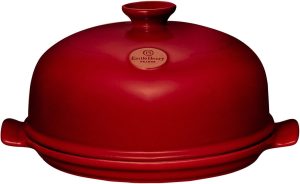
This burgundy ceramic cloche is stunning. It looks like it belongs in a French bakery.
Product Features
Emile Henry makes this from natural clay. It’s fully ceramic, not metal. This creates a different baking environment.
Key Specs:
- Clay construction
- 13.2 x 11.2 inches
- Holds dough made with 3 cups flour
- Oven safe
- Proof dough directly inside
- Includes recipe book
The round shape is traditional. It mimics the bannetons used in professional bakeries.
What I Like
The ceramic material distributes heat differently than metal. It’s gentler. More even. Almost like baking in a wood-fired oven.
I can proof my dough right in the base. This saves a step. No need to transfer from a proofing basket. Less handling means less deflation.
The recipe book helped me improve my technique. It has tips specific to this cloche. I learned tricks I hadn’t seen elsewhere.
The burgundy color is beautiful. I leave it out on my counter. It’s pretty enough to be decoration between bakes.
Why It’s Better
Ceramic holds heat differently than cast iron. It heats up slower but stays warm longer. This creates a more gradual bake.
I notice this especially with delicate doughs. My brioche came out incredibly even. No dark spots. Just perfect golden color all over.
The clay “breathes” slightly. It releases moisture in a controlled way. This prevents that soggy bottom some dutch ovens create.
For artisan bread lovers, this cloche delivers authentic results. My baguettes and boules taste bakery-quality.
How It Performed
The first loaf I baked impressed me immediately. The crust had that slightly matte finish you see on European breads. Not shiny. Not dull. Just right.
My sourdough developed incredible flavor. I think the ceramic affects fermentation slightly during proofing. The taste was more complex than usual.
White sandwich loaves came out softer than in my cast iron cloche. The gentler heat kept them tender. Perfect for toast.
I did notice the cloche takes longer to preheat. I give it a full hour at 450°F. Cast iron only needs 30-40 minutes. Plan accordingly.
How I Clean It
Ceramic cleans up beautifully. I use a damp cloth for most messes.
For flour that baked onto the surface, I let it soak briefly. Ten minutes in warm water loosens everything. Then I wipe it clean.
I avoid sudden temperature changes. Never run cold water on a hot cloche. The thermal shock could crack it.
The glaze resists staining. Even after months of use, it still looks new.
Testing Results
- Crust color: 10/10 (authentic artisan look)
- Crust texture: 9/10 (excellent crunch)
- Interior moisture: 9/10 (very good)
- Ease of use: 8/10 (proofing inside is great, but heavy)
- Heat retention: 10/10 (superb)
- Durability: 8/10 (handle with care)
- Value: 7/10 (pricey but worth it)
Overall Score: 8.7/10
3. Sxmprail Oval Cast Iron Dutch Oven – Best for Large Loaves
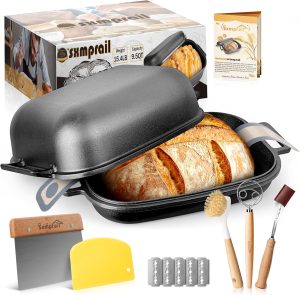
This massive oval cloche handles bread for a crowd. At 9.5 quarts, it’s a beast.
Product Features
The Sxmprail uses thick, pre-seasoned cast iron. No enamel coating. Just pure iron like your grandmother used.
Key Specs:
- 9.5-quart capacity
- 15.4 pounds
- 15.5 x 10 x 5.8 inches
- Oven safe (no temp limit listed)
- Pre-seasoned with vegetable oil
- Five-year warranty
The oval shape is perfect for batard-style loaves. Long and elegant instead of round.
What I Like
The size lets me bake huge loaves. I make bread for my whole family in one batch. No more baking twice.
Those ergonomic handles really help. This thing is heavy. But I can grip it securely even with thick oven mitts.
The pre-seasoning worked well out of the box. I didn’t need to do anything special. Just washed it and started baking.
I love the versatility. I’ve roasted whole chickens in this. Made pot roasts. Baked focaccia. It does everything.
Why It’s Better
If you have a big family, this is your cloche. I bake a loaf that feeds six people easily. It’s huge.
The oval shape creates a different crust pattern. More surface area touches the hot iron. This means more crispy crust per slice.
Raw cast iron gets hotter than enamel. I measured 25-30°F higher surface temps. This creates incredible oven spring. My dough nearly doubled in the first ten minutes.
The five-year warranty shows confidence in quality. Most cloches offer one year at most.
How It Performed
My first loaf was enormous. It rose beautifully. The crust was deeply browned. Almost mahogany in color.
I tested with a triple batch of dough. It fit perfectly. The loaf came out bakery-sized. My family was amazed.
The weight helps with heat retention. Once hot, it stays hot. I barely lose temperature when opening the oven.
I did find it needs careful seasoning maintenance. After washing, I dry it thoroughly. Then I rub a thin layer of oil on all surfaces. This prevents rust.
How I Clean It
Cleaning cast iron takes more care than enamel. But it’s not hard.
I wash with hot water and a stiff brush. No soap usually. Just scrub off any stuck food.
I dry it immediately. Water is the enemy of cast iron. I even put it back in the warm oven for five minutes to ensure it’s bone dry.
Then I apply a very thin layer of vegetable oil. Wipe off any excess. This maintains the seasoning.
For stubborn stuck-on bits, I use coarse salt as a scrubber. It’s abrasive enough to clean but won’t damage the seasoning.
Testing Results
- Crust color: 10/10 (beautiful dark brown)
- Crust texture: 10/10 (incredibly crispy)
- Interior moisture: 8/10 (sometimes slightly dry with long loaves)
- Ease of use: 7/10 (heavy to handle)
- Heat retention: 10/10 (the best)
- Durability: 10/10 (built like a tank)
- Value: 9/10 (great price for the size)
Overall Score: 9.1/10
Comparison: Which Cloche Is Right for You?
Let me break down who should buy each one.
Choose the Flavehc If:
- You want the best all-around performer
- You’re new to bread baking
- You like easy cleanup
- You want good value
- You bake 1-2 times per week
This is my daily driver. It does everything well without fuss.
Choose the Emile Henry If:
- You love artisan bread
- Appearance matters to you
- You want authentic bakery results
- Budget isn’t your main concern
- You enjoy the traditional baking experience
This is for the bread purist. It’s special.
Choose the Sxmprail If:
- You bake large loaves
- You have a big family
- You want maximum versatility
- You like oval-shaped bread
- You don’t mind maintaining cast iron
This is the workhorse. Big. Tough. Reliable.
Key Features to Consider
When shopping for a bread cloche, think about these factors.
Material Matters
Cast Iron: Heats up fast. Retains heat well. Gets very hot. Needs seasoning maintenance.
Enameled Cast Iron: Easy to clean. No seasoning needed. Slightly lower max temps. More expensive.
Ceramic: Gentle, even heat. Beautiful appearance. Slower to preheat. More fragile.
I prefer enameled cast iron for daily use. It balances performance and convenience perfectly.
Size and Shape
Round cloches work for boules and round loaves. Oval shapes fit batards and longer loaves better.
Think about your typical batch size. A 5-quart cloche holds dough made with about 3-4 cups of flour. That’s one large loaf or two small ones.
Bigger isn’t always better. Huge cloches are heavy. They take longer to preheat. They use more energy.
Weight Considerations
Heavy cloches retain heat better. But they’re harder to handle.
I can manage 13 pounds comfortably. The 15-pound Sxmprail pushes my limit. Consider your own strength.
Good handles make a big difference. Look for designs that let you grip firmly even with oven mitts.
Price vs. Performance
The most expensive option isn’t always the best. The Flavehc costs a third of the Emile Henry. But it bakes almost as well.
Think about how often you’ll use it. Daily bakers might justify a premium cloche. Weekend bakers probably don’t need to splurge.
Tips for Using Your Bread Cloche
I’ve learned these lessons through experience. Some were painful lessons.
Always Preheat Properly
This is crucial. Your cloche needs to be screaming hot before the dough goes in.
I preheat for at least 45 minutes at my baking temperature. Usually 450-475°F.
Some people preheat for just 20-30 minutes. Their bread doesn’t rise as well. Trust me on this.
Use Parchment Paper
Parchment makes transferring dough so much easier. I cut a square big enough to lift the whole loaf.
I grab the parchment corners and lower the dough gently into the hot cloche. No burns. No mishaps.
The parchment doesn’t affect the crust. It barely touches the sides anyway.
Score Deeply
Your dough will expand dramatically in the cloche. Score cuts at least half an inch deep.
Shallow scores close up during oven spring. Then your bread bursts in random places. Deep scores guide the expansion.
I use a sharp razor blade. Lame tools work great too. Quick, confident cuts work best.
Manage Steam Timing
I bake covered for the first 20-25 minutes. This traps steam and creates oven spring.
Then I remove the lid. The last 15-20 minutes crisp up the crust.
Some people remove the lid too early. The crust sets before the bread fully expands. Be patient.
Handle with Extreme Care
These cloches get dangerously hot. I always use heavy-duty oven mitts.
I set the hot lid on a trivet or cooling rack. Never directly on countertops. It will burn them.
Keep kids and pets away when baking. A brush against hot cast iron causes serious burns.
Common Mistakes to Avoid
I’ve made every mistake possible. Learn from my errors.
Don’t Skip Preheating
I tried this once to save time. My bread was dense and flat. The crust never crisped properly.
The thermal mass of the cloche creates the baking environment. Cold cloches don’t work.
Don’t Overfill
A cloche that’s too small restricts your dough. The bread hits the lid and stops rising.
Leave at least 2 inches of space above your dough. It will expand more than you expect.
Don’t Use Metal Utensils on Enamel
I scratched my first enameled cloche with a metal spatula. The scratch exposed the cast iron underneath. That spot now rusts if I’m not careful.
Wood or silicone tools only. Protect your investment.
Don’t Thermal Shock Ceramic
I poured cold water into my hot Emile Henry once. I heard a crack. My heart sank.
Luckily, it was just the water boiling explosively. But I learned my lesson. Let ceramic cool gradually.
Don’t Forget Maintenance
Raw cast iron needs regular oiling. Skip this and you’ll get rust.
I oil my Sxmprail after every wash. Takes thirty seconds. Prevents problems.
How Bread Cloches Compare to Other Methods
I’ve tried many ways to bake bread at home.
Bread Cloches vs. Baking Stones
Baking stones work okay. But they don’t trap steam. You need to spray water or use ice cubes.
Cloches are self-contained. Steam management is automatic. The results are far superior.
I still use my baking stone for pizza. But for bread, cloches win easily.
Bread Cloches vs. Loaf Pans
Loaf pans create sandwich bread. That’s fine for some purposes.
But artisan bread needs room to expand freely. Pans constrain the shape. Cloches let bread be beautiful.
The crust on pan bread is soft on most sides. Cloche bread has crust all around. Much tastier.
Bread Cloches vs. Baking Sheets
This isn’t even close. Baking sheets can’t trap steam. Your bread will be dry and flat.
I baked on sheets for my first year. My bread was mediocre. Switching to a cloche transformed everything.
If you’re serious about bread, invest in a proper cloche.
Frequently Asked Questions
Can I use a regular Dutch oven instead of a bread cloche?
Yes, absolutely. Any heavy pot with a tight lid works. I started with a cheap dutch oven from a thrift store. It made decent bread. Cloches designed specifically for bread just make things easier with their shallow bases and dome lids.
Do I need to season an enameled cast iron cloche?
No. The enamel coating prevents rust and sticking. Just wash with soap and water. Only raw cast iron needs seasoning maintenance. This is one reason I prefer enameled versions for daily use.
What temperature should I preheat my cloche to?
Most bread recipes call for 450-475°F. I preheat my cloche at that temperature for 45 minutes. Higher temps work too. Just match your recipe’s baking temperature.
Can I bake things other than bread in a bread cloche?
Yes. I use mine for roasted chicken, pot roasts, and even desserts. The Sxmprail is especially versatile. Cast iron cloches work for almost any oven recipe. Just avoid sudden temperature changes with ceramic ones.
How do I prevent my bread from sticking to the cloche?
Use parchment paper under your dough. It prevents sticking completely. I’ve never had bread stick when using parchment. It’s foolproof and makes cleanup easier too.
Why is my bread crust not crispy enough?
Two common causes. First, your cloche might not be hot enough. Preheat longer. Second, you might be removing the lid too early. Keep it covered for the first 20-25 minutes to trap steam.
How long do bread cloches last?
With proper care, decades. My cast iron pieces will outlive me. Ceramic can last just as long if you avoid thermal shock and drops. Even enameled cast iron lasts many years despite daily use.
Final Thoughts
Buying a bread cloche changed my baking completely. The difference is night and day.
My top pick is the Flavehc Cast Iron Bread Oven. It delivers professional results at a reasonable price. The shallow base and dome lid make baking stress-free. After months of testing, it’s still my go-to choice.
If you want something special, the Emile Henry is gorgeous and bakes beautifully. It’s an investment, but it feels like using a piece of art.
For big families, the Sxmprail Oval Dutch Oven can’t be beat. It’s massive, durable, and versatile enough for any cooking task.
All three cloches will transform your bread baking. Pick the one that fits your needs and budget. Your kitchen will smell amazing. Your family will beg for fresh bread daily.
Start baking today. You won’t regret it.