
Last Updated on April 2, 2026 by Erin Jahan Eva
Electric Grill vs Charcoal Grill Taste Difference
Here is the question that comes up constantly.
Does food taste different when cooked on an electric grill versus a charcoal grill?
The short answer is yes. Significantly different.
But understanding why helps you make better decisions about which grill to use and when. It also helps you get better results from whichever type you own.
I have cooked on charcoal grills, electric grills, gas grills, propane grills, and smokers for many years. I know exactly what each method does to food and why. I have compared them side by side with the same cuts of meat and the same seasonings.
In this article I will explain the taste difference clearly and honestly. No hype. Just real cooking experience.
Let us get into it.
Why Cooking Method Affects Flavor
Before comparing the two, it helps to understand what creates flavor in grilled food.
Flavor in grilled meat comes from several sources.
The Maillard reaction. This is the chemical reaction between heat, amino acids, and sugars in the food. It creates the brown crust on the surface of meat. It produces hundreds of new flavor compounds. This happens on every type of grill when the surface of the meat reaches high enough heat.
Fat rendering and dripping. As meat cooks, fat melts and drips away from the food. What happens to that fat depends entirely on the type of grill. This is where the biggest taste differences between electric and charcoal come from.
Smoke. Smoke from burning fuel and dripping fat contains compounds that bond to the surface of food. These compounds add deep, complex flavor that cannot be replicated by heat alone.
Radiant heat. The way heat surrounds and penetrates food affects texture and moisture retention, which both contribute to the overall flavor experience.
Each grill type handles these four elements differently. That is why food tastes different depending on how you cook it.
How Charcoal Grills Create Flavor
Charcoal grilling produces the most complex flavor of any common cooking method. Here is exactly how it works.
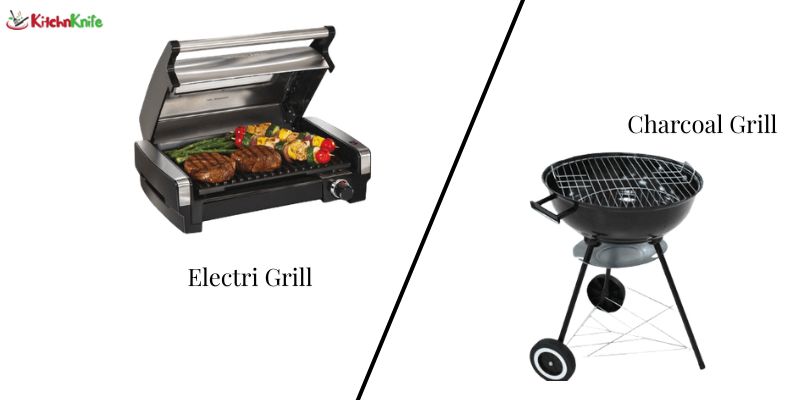
When you light charcoal and let it reach cooking temperature, it burns at very high heat. The surface temperature of charcoal grates can exceed 300°C. That intense heat creates a deep, fast sear on meat that locks in juices and builds a thick crust packed with Maillard reaction compounds.
As fat drips from the meat onto the burning coals, it vaporizes instantly. That vapor rises back up and coats the surface of the food. This is what creates the distinctive charcoal-grilled flavor that people love. It is smoky, savory, and rich. It has a depth that no other method replicates.
Charcoal itself also smolders and produces smoke continuously while you cook. That smoke carries aromatic compounds that penetrate the surface of the meat. The longer the cook, the more smoke flavor builds up.
A charcoal smoker takes this even further. Long, slow cooking over smoldering charcoal and wood chunks produces BBQ results with deep smoke rings and intense flavor that can take hours to develop. A charcoal smoker is a completely different tool from a standard outdoor grill but it demonstrates the maximum potential of charcoal flavor.
The result of charcoal grilling is food with:
- A thick, deeply caramelized crust
- Smoky aroma that hits you before you even take a bite
- Rich, complex flavor throughout the surface of the meat
- A slightly bitter char note on well-cooked pieces that many people love
This is what most people mean when they say food tastes like it was grilled. They mean charcoal flavor.
How Electric Grills Create Flavor
Electric grills work very differently.
An electric grill uses a metal heating element to generate heat. There is no combustion. No flame. No burning fuel. The element heats up and transfers that heat to the grill grates. The grates then transfer heat to the food through direct contact.
The Maillard reaction still happens on an electric grill. The surface of your meat will brown. You will get grill marks. The crust forms just as it does on any hot surface.
But here is what is missing.
When fat drips from your meat on an electric grill, it falls into a drip tray below the heating element. It does not hit a hot coal. It does not vaporize. It does not rise back up as flavor-carrying smoke.
There is no smoke from burning charcoal. There is no aromatic vapor returning to the food surface. The cooking environment is clean and neutral.
The result is food that tastes:
- Clean and mild compared to charcoal-grilled food
- Well-cooked with good surface browning
- Juicy if handled correctly
- Free of smoky or charred notes
This is not bad food. It is genuinely good food. But it tastes different. It tastes more like well-seared food from a cast iron pan than it does like classic outdoor grilled food.
The Taste Difference Side by Side
Let me give you a direct comparison using specific foods I have cooked on both.
Steak
On a charcoal grill, a steak develops a thick, caramelized crust with visible char marks. The interior is juicy. The exterior has a smoky, slightly bitter quality that balances the richness of the fat. The smell alone signals that this is outdoor-grilled meat.
On an electric grill, the same steak has good grill marks and a browned surface. The interior is equally juicy if cooked to the same temperature. But the exterior lacks that smoky depth. It tastes like very good pan-seared steak. Excellent but not the same experience.
Chicken
Chicken on a charcoal grill picks up smoke flavor particularly well. The skin crisps and chars slightly. The meat underneath tastes smoky even without any marinade. The smell during cooking is irresistible.
Chicken on an electric grill cooks evenly and stays moist. The skin crisps with enough heat. But without smoke, the flavor depends entirely on the seasoning and marinade you apply. The grill itself adds nothing extra to the taste.
Burgers
A charcoal-grilled burger has a smoky crust. The fat that drips onto the coals comes back up as flavor. Many people say charcoal burgers are the best-tasting burgers they have ever had.
An electric grill burger is very good. The surface browns well. The interior stays juicy. But the smoke element is absent. The flavor is clean and direct rather than complex and layered.
Vegetables
This is where the gap narrows. Vegetables on a charcoal grill pick up some smoke but the difference is less pronounced than with meat. On an electric grill, vegetables roast and char well with good seasoning. The flavor difference is noticeable but not dramatic.
Where Gas and Propane Fit In
Many people comparing electric vs charcoal also want to know where gas grills and propane grills sit on the flavor scale.
Gas barbecue results sit between electric and charcoal. A gas grill produces an open flame. Fat still drips onto the burners and vaporizes back up. This adds some smoke flavor to food more than electric grills produce but less than charcoal grills deliver.
Vs gas BBQ comparisons often conclude that gas is more convenient than charcoal but less flavorful. Vs propane grill vs charcoal comparisons reach the same conclusion. Propane and natural gas produce lighter, cleaner flame than charcoal. The resulting flavor is milder and less smoky.
For flavor ranking from most to least intense:
- Charcoal smoker — the most smoke and the most complex flavor
- Charcoal grill — rich smoke from burning coals and vaporized fat
- Gas barbecue and propane grill — some smoke from vaporized fat, cleaner flavor
- Electric grill — clean, well-cooked food with no smoke contribution
Can You Improve Electric Grill Flavor?
Yes. You cannot replicate charcoal flavor perfectly, but you can get closer. Here are the methods I use.
Smoke seasoning and marinades. Use marinades that contain smoked paprika, smoked salt, or liquid smoke. These add a layer of smoky flavor to the food before it even touches the grill. It is not the same as real charcoal smoke but it closes the gap meaningfully.
Dry rubs with charred spices. A good dry rub with cumin, smoked paprika, garlic, and black pepper creates a flavorful crust that mimics some of the complexity of charcoal-grilled food.
High heat for maximum browning. Always preheat your electric grill fully. Cook at the highest temperature your model allows. Maximum browning creates the deepest Maillard flavors available without smoke. This makes a real difference.
Wood chips in a foil pouch. Some outdoor electric grills allow you to place a small foil pouch of soaked wood chips near the heating element. The chips smolder gently and produce light smoke that infuses the food. This works particularly well on larger outdoor electric grill models.
The Ninja Woodfire method. The Ninja Woodfire electric outdoor grill uses a small pellet hopper that actually combusts wood pellets during cooking. This produces real smoke flavor while running on electricity. It is the closest any electric grill gets to authentic charcoal flavor without actually using charcoal.
When to Choose Each Type
Choose a charcoal grill when:
- Smoke flavor is your top priority
- You are cooking for a BBQ gathering where the experience matters
- You want the deepest possible crust and char on meat
- You have outdoor space and time to manage the fire properly
- You want to use a charcoal smoker for low-and-slow cooking
Choose an electric grill when:
- You live in an apartment or have no outdoor space
- You want to cook indoors year-round
- Convenience matters more than smoke flavor
- You are cooking for one or two people on a weeknight
- Your building does not permit gas or charcoal grilling
- You want fast setup and simple cleanup
The honest truth is this. Both methods produce genuinely good food. Charcoal produces more complex flavor. Electric produces cleaner, more convenient results. Neither is objectively better. They serve different situations and different priorities.
Frequently Asked Questions
Does food really taste different on a charcoal grill vs an electric grill? Yes. The difference is significant and noticeable. Charcoal grilling adds smoky flavor from burning coals and vaporized fat. Electric grills produce no smoke, so food tastes clean and well-cooked but lacks that smoky depth. The difference is most obvious with meat, especially steak, chicken, and burgers.
Can you add smoke flavor to food on an electric grill? Yes, partially. Use marinades with liquid smoke or smoked paprika before cooking. Some outdoor electric grill models allow soaked wood chips in a foil pouch near the heating element. The Ninja Woodfire uses real wood pellets to generate genuine smoke. These methods improve the result but do not fully replicate authentic charcoal grilled flavor.
Is charcoal grilling always better than electric grilling for taste? For smoky, complex BBQ flavor, yes. Charcoal produces results that no electric grill can fully replicate. But for clean, well-cooked food with good seasoning, electric grills perform very well. If smoke flavor is not your top priority, the taste difference matters less than the convenience and ease of electric cooking.