
Last Updated on March 21, 2026 by Susanna Zuyeva
A well-maintained electric grill lasts for years.
A neglected one lasts months.
The difference is not complicated. It comes down to simple habits done consistently after every cook and a slightly deeper routine done every few weeks. That is it.
I have maintained electric BBQ grills, outdoor grill setups, and electric smoker units for years. I know what breaks down when maintenance is skipped. I also know how little effort it actually takes to keep a grill performing like new for a very long time.
This guide covers everything. The quick clean after every cook. The monthly deep clean. Seasonal storage. Component inspection. And the specific habits that protect the parts of your grill most likely to fail.
Whether you have a compact indoor model, a full-size outdoor electric BBQ grill, or a smart grill like the Masterbuilt 710 WiFi, these principles apply to all of them.
Let us get into it.
Why Maintenance Matters More Than People Think
Most people think maintenance is just about cleanliness. It is much more than that.
Here is what happens when electric BBQ grill maintenance is skipped:
Grease builds up in the drip tray. Old fat hardens and becomes difficult to remove. It smokes every time the grill heats up. In large enough amounts, it can ignite.
Grate residue bakes harder with every cook. Each session bakes leftover residue further into the surface. After several sessions without cleaning, it takes serious scrubbing to remove what a simple post-cook wipe would have handled in minutes.
The heating element degrades faster. Grease that reaches the heating element bakes onto it. This reduces the element’s efficiency. The grill takes longer to heat up. Maximum temperature drops. Eventually the element may fail prematurely.
Stainless steel surfaces corrode. Even stainless steel corrodes over time without proper care. Salt from food, moisture, and cleaning product residue all contribute to surface damage on stainless steel outdoor grill models.
Electrical components suffer from moisture exposure. A grill stored improperly or cleaned with too much water suffers internal electrical damage over time. This shortens the lifespan significantly.
Regular BBQ cleaning and maintenance prevents all of these outcomes. The investment in time is small. The payoff in grill performance and longevity is significant.
The Three Maintenance Routines You Need
Good electric grill maintenance involves three distinct routines.
Routine 1 — After every cook: Takes 5 to 10 minutes. Prevents buildup from forming.
Routine 2 — Monthly deep clean: Takes 20 to 30 minutes. Addresses what routine cleaning misses.
Routine 3 — Seasonal storage preparation: Done once or twice a year. Protects the grill during extended periods of non-use.
Each routine serves a different purpose. Together they cover everything your electric BBQ grill needs to stay in top condition.
Routine 1: After Every Cook
Do this every single time you finish cooking. No exceptions.
Step 1 – Turn Off and Unplug
As soon as cooking ends, turn the grill to off and unplug it from the wall outlet.
This is not just a safety step. Unplugging stops any residual heat from continuing to bake residue onto the grate surface. The sooner heat stops, the easier the cleanup.
Step 2 – Clean the Grates While Warm
Wait ten to fifteen minutes after unplugging. The grates should be warm but not dangerously hot.
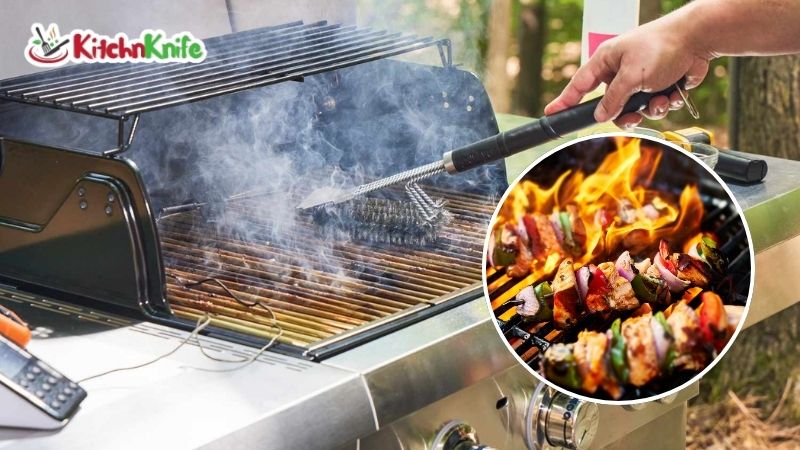
Use a grill brush to scrub the grate surface while it is still warm. Warm residue releases easily. The same residue becomes ten times harder to remove once the grill is fully cold.
Work methodically from one end of the grate to the other. Brush in the direction of the ridges. Cover the entire surface including edges.
For stainless steel grates, use a stainless steel bristle grill brush. For non-stick coated grates, use a soft nylon brush. For cast iron surfaces, use a stiff natural bristle or nylon brush. Never use a wire brush on non-stick coated grill grates.
After brushing, wipe the grates with a damp cloth to remove loosened residue. This leaves the surface clean and ready for the next cook.
Step 3 – Empty and Wash the Drip Tray
Remove the drip tray carefully. Empty it completely into the bin.
Rinse the tray under warm water. Wash with dish soap and a sponge. Dry completely before replacing.
The drip tray is the most neglected component of any electric BBQ grill. It is also one of the most important. A clean drip tray prevents smoke. It prevents grease from reaching the heating element. It prevents fire hazard from fat buildup.
Clean it every single time.
Step 4 – Wipe the Interior and Exterior
Use a damp cloth to wipe the interior surfaces of the grill. Pay attention to areas near the heating element where grease splatter collects.
Do not apply water directly to the heating element. Wipe the surrounding area only.
Wipe the exterior with a damp cloth. Remove cooking splatter, fingerprints, and grease marks. Dry with a clean cloth.
For stainless steel exterior surfaces, wipe in the direction of the grain to avoid scratching. A dedicated stainless steel cleaner applied occasionally keeps the finish looking clean and resists fingerprint marks.
Routine 2: Monthly Deep Clean
Even with consistent routine cleaning, grease gradually accumulates in areas the quick clean cannot fully reach. The monthly deep clean addresses everything.
Fully Disassemble Removable Components
Remove every removable part. Grates, drip trays, side trays, grease collectors, and any accessories stored on the grill.
Check your manual to confirm which parts are removable and whether they are dishwasher safe. Masterbuilt and Tromen models, for example, specify this clearly in their documentation. Never put components in the dishwasher unless the manufacturer confirms it is safe.
Soak Grates and Trays
Fill your sink with hot water and dish soap. Submerge the grates and drip tray for fifteen to twenty minutes.
Soaking dissolves grease and loosens baked-on food residue far more effectively than scrubbing alone. After soaking, most residue wipes away with minimal effort.
For stubborn spots, make a paste of baking soda and a small amount of water. Apply to the affected area. Leave for ten minutes. Scrub with a non-scratch pad. Baking soda is a safe, effective abrasive that removes baked grease without damaging grate surfaces.
For gas grill grates that use the same materials as electric grill grates, white vinegar works equally well. Spray on, leave for five minutes, then wipe clean.
Clean the Heating Element Area
This is the step most people skip and the one that matters most for long-term grill performance.
With the grill completely cool and unplugged, use a dry cloth or barely damp cloth to wipe the surfaces around the heating element. Grease splatter that reaches the element bakes on over time and reduces its efficiency.
Do not wet the element directly. Clean the surrounding housing and reflector surfaces that catch and redirect heat. Follow immediately with a dry cloth.
The heating element on a quality electric BBQ grill like a Lion Grill or Masterbuilt 710 WiFi model is designed to last for years. Keeping the surrounding area clean protects it from premature failure.
Inspect and Clean the Power Cord
While the grill is fully disassembled and unplugged, inspect the power cord.
Look for:
- Fraying or cracking in the cord insulation
- Kinks or sharp bends that may have damaged internal wiring
- Any discoloration from heat exposure near the plug or connector end
- Moisture damage or corrosion at the connection point
A damaged cord is an electrical hazard. Replace it before using the grill again if you find any damage. Most manufacturers supply replacement cords or can direct you to authorized service centers.
Reassemble and Season if Needed
After cleaning and drying every component thoroughly, reassemble the grill.
For cast iron or carbon steel grates, apply a thin layer of cooking oil after cleaning. This maintains the seasoning layer and prevents rust formation between cooking sessions.
For stainless steel grates and surfaces, a light wipe of cooking oil also helps protect the surface and reduces sticking at the next cook.
Routine 3: Seasonal Storage Preparation
If you store your electric BBQ grill for an extended period typically winter months for outdoor grill models proper preparation prevents damage during storage.
Clean Thoroughly Before Storage
Never store a dirty grill. Old grease attracts pests. It hardens further during storage and becomes much harder to remove when you want to cook again. It also continues to corrode surfaces during the storage period.
Do the full deep clean before putting the grill away for the season.
Dry Every Component Completely
Moisture during storage causes rust on metal components and corrosion on electrical parts.
After cleaning, leave all components to air dry completely. A final wipe with a dry cloth removes any remaining moisture. Pay particular attention to joints, screw holes, and any crevices where water can hide.
Apply Protective Oil to Metal Surfaces
Before storage, apply a thin layer of cooking oil or mineral oil to all metal cooking surfaces. This creates a barrier between the metal and moisture in the air during storage.
For stainless steel exterior surfaces, a light coat of stainless steel protector spray helps maintain the finish and prevents oxidation during extended storage.
Store in a Dry, Covered Location
Store indoor electric BBQ grills in a dry cabinet or on a clean shelf away from moisture sources like sinks, dishwashers, and exterior walls.
For outdoor grill models, use a purpose-made waterproof grill cover. A fitted cover keeps moisture, dust, and debris off the grill surface during storage. It also protects stainless steel exterior surfaces from weather-related damage.
Never store a grill directly on a concrete floor without a mat or stand. Concrete holds moisture and transfers it to the grill over time.
Wrap the Power Cord Loosely
Wrap the power cord in a loose coil for storage. Do not wrap it tightly around the grill body. Tight wrapping creates sharp bends in the cord. These bends damage the internal wiring over time and create electrical hazards.
Secure the loose coil with a velcro strap or cable tie. Store it separately from the grill body or hang it alongside the grill without tension.
Component-Specific Maintenance Tips
Different components of your electric BBQ grill have specific maintenance needs.
Grill Brush Care
Your grill brush needs maintenance too. Check the bristles after every use. Loose or broken bristles can detach and get onto the grill surface and into food. Replace your grill brush every three to six months or whenever bristles start loosening.
Store the grill brush in a dry location. A wet grill brush grows mold and bacteria quickly.
Stainless Steel Surface Care
Stainless steel surfaces require specific care to maintain their appearance and resist corrosion.
- Always wipe in the direction of the grain
- Use stainless steel-specific cleaners for stubborn marks
- Avoid chlorine-based cleaners they corrode stainless steel over time
- Apply a stainless steel protector spray every few months
Lion Grill and similar premium outdoor grill brands with heavy stainless steel construction specifically recommend these practices in their care documentation.
Smart Grill Maintenance
If you own a WiFi-enabled smart grill like the Masterbuilt 710 WiFi, additional care is needed for the electronic components.
- Keep the control panel and display dry at all times
- Wipe the control area with a barely damp cloth only
- Never spray water near the control panel
- Update firmware when available this maintains performance and fixes any software-related issues
- Store the grill covered to protect electronics from moisture during non-use periods
Quick Maintenance Reference Guide
Here is a simple checklist to follow.
After every cook:
- Brush grates while warm
- Empty and wash drip tray
- Wipe interior and exterior
- Unplug and allow to cool
Monthly:
- Soak and deep clean grates
- Clean around heating element
- Inspect power cord
- Re-season cast iron or carbon steel surfaces
Seasonally:
- Full deep clean before storage
- Dry all components completely
- Apply protective oil to surfaces
- Use a grill cover for storage
- Wrap cord loosely