
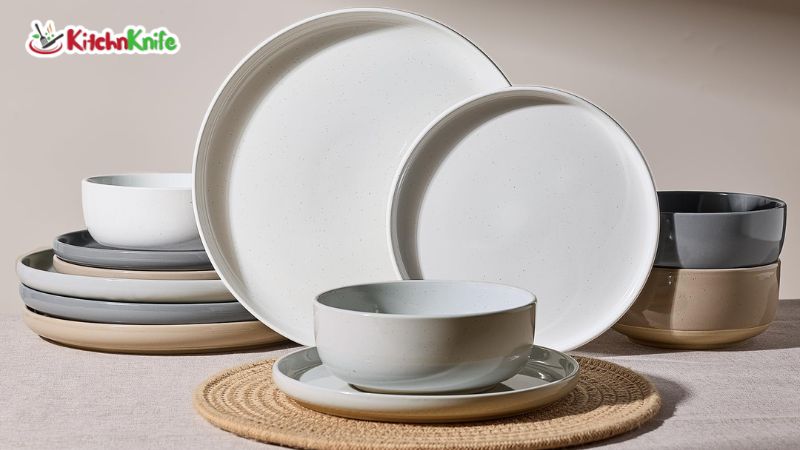
Last Updated on March 19, 2026 by Susanna Zuyeva
Most people spend time choosing what food to put on their plates.
Very few people think about the plates themselves.
But the dinnerware materials your family eats from every single day affect more than you might expect. Some release toxic chemicals into hot food. Some contain lead and cadmium in their glazes. Some are marketed as safe but contain compounds that accumulate in the body over years of daily use.
I went through this research process myself when my children were young. I wanted to find the safest dinnerware for my family. What I found changed every piece of kitchenware in my home.
This guide gives you exactly what I learned. I will walk you through how to evaluate dinnerware materials, what to avoid, what to look for, and how to make a confident, informed choice for any household.
Let us get into it.
Why Non Toxic Dinnerware Matters
You eat multiple meals a day. Your children eat multiple meals a day. Over months and years, small amounts of chemical exposure from everyday dishware add up.
Here are the specific concerns worth knowing about.
Lead and cadmium in glazes. Some ceramic dinnerware and porcelain dinnerware use glazes that contain lead and cadmium as colorants and stabilizers. Acidic foods like tomato sauce, citrus dressings, and vinegar-based dishes accelerate the leaching of these metals into food. Heat makes this worse. Lead is a proven neurotoxin. There is no safe level of lead exposure for children.
Chemical migration from plastic. Plastic dinnerware can release hormone-disrupting chemicals including BPA and phthalates into food. Even BPA-free plastics often contain replacement chemicals with similar hormonal effects. Heat — especially microwaving significantly increases chemical migration from plastic.
Melamine compounds. Melamine dinner plates look like ceramic but release melamine compounds into hot and acidic food. Repeated exposure has been associated with kidney stress in studies involving sustained high levels.
Decorative treatments. Metallic rim treatments in gold, silver, and platinum on dinner plates sometimes contain trace heavy metals. These degrade with dishwasher use and microwave exposure over time.
Understanding these risks helps you ask the right questions when choosing any dinner set.
Step 1 – Know Which Dinnerware Materials Are Safest
Start by understanding the safety profile of each material. This is the foundation of every good dinnerware decision.
Porcelain Dinnerware Excellent Safety Profile
Porcelain dinnerware is made from kaolin clay fired at very high temperatures. The result is a dense, non-porous surface that resists leaching extremely well.
Plain white porcelain is one of the safest dinnerware options available. The firing process creates a glaze that is chemically stable under normal eating conditions. Hot food, acidic food, and long contact times do not cause porcelain to release harmful compounds when it is properly manufactured and lead free certified.
Porcelain dinner sets are durable, dishwasher safe, and microwave safe. They are one of the top choices for families who want safe, practical everyday dishware.
Ceramic Dinnerware Safe When Certified Lead Free
Ceramic dinnerware covers a wide range of products. Not all ceramic is equally safe.
The safety of ceramic plates depends heavily on the glaze used and whether the manufacturer tests for lead and cadmium compliance. Plain white ceramic with a lead free certified glaze is very safe. Brightly decorated or vintage ceramic without certification is a genuine risk.
When buying ceramic dinnerware, always look for explicit lead free and cadmium free certification from the brand. Without this, you have no reliable guarantee of safety.
Bone China Very Safe With Minor Caveats
Bone china is a refined porcelain that includes bone ash in its composition. This gives it exceptional whiteness and lightness.
The safety profile of plain white bone china is very good. It is dense, non-porous, and chemically stable. The main caveat is decorative treatments. Bone china dinner sets often feature gold or platinum rim designs. These metallic treatments can degrade with repeated microwave use. For microwave cooking, choose bone china with no metallic decoration.
Bone china is slightly more fragile than standard porcelain. For households with young children, thicker porcelain may be more practical.
Stoneware Good Safety Profile With Caveats
Stoneware is a thick, dense ceramic fired at high temperatures. It is heavier than porcelain and has a rustic appearance many people love.
Plain stoneware with a lead free certified glaze has a good safety profile. Like all ceramic, the risk is in the glaze and decoration. Handmade or artisan stoneware without explicit lead free certification should be used with caution.
One consideration with stoneware is that it is more porous than porcelain. If the glaze chips or cracks, the exposed unglazed body can absorb food, liquid, and bacteria. Inspect stoneware regularly and discard any piece with damaged glaze.
Tempered Glass Excellent and Completely Inert
Tempered glass dinnerware is one of the most chemically inert options available.
Glass does not leach any compounds into food under any conditions. It is non-porous. It is completely stable with hot, cold, acidic, and alkaline food. It is dishwasher safe and microwave safe.
The practical considerations are weight and fragility. Tempered glass is heavier than ceramic. It is toughened to resist breakage but it does shatter when it does break. For children specifically, glass may not be the most practical everyday choice.
Stainless Steel Excellent for Durability and Safety
Food-grade stainless steel dinnerware is extremely safe and virtually indestructible.
It does not leach chemicals. It is non-porous. It resists acidic foods. It does not chip or crack. It is completely lead free and non toxic.
The main limitation is that stainless steel cannot go in the microwave. For households that regularly microwave food on the plate, this is a significant practical limitation.
Stainless steel is one of the best options for kids dinnerware. Unbreakable, non toxic, easy to clean, and durable enough to survive years of heavy use.
Step 2 – Know What to Avoid
Knowing what to stay away from is as important as knowing what to choose.
Avoid Melamine Dinner Plates for Hot Food
Melamine plates are popular because they look like ceramic, are very light, and are nearly unbreakable. They are commonly sold as kids plates and outdoor dining sets.
The problem is clear. Melamine migrates into food. The migration rate increases sharply with hot food and acidic dishes. Studies measuring melamine levels in food served in melamine plates have found meaningful transfer within short contact times.
I removed all melamine dinner plates from my home several years ago. If you use melamine dinnerware, limit it to cold food only. Never microwave food in melamine. Never serve hot soups, noodles, or acidic sauces in melamine bowls.
Avoid Plastic Dinnerware for Hot Food and Microwave Use
Plastic dinnerware is convenient. It is lightweight, inexpensive, and unbreakable. But it is not the safest choice for regular daily use.
BPA-free plastic is safer than older polycarbonate plastics. But BPA-free does not mean free of all problematic chemicals. Many replacement plasticizers used in BPA-free plastics have similar hormone-disrupting effects to BPA itself.
The risk escalates dramatically with heat. Microwaving food on plastic plates dramatically increases chemical migration even from plastics labeled microwave safe. Microwave safe means the container will not deform at microwave temperatures. It does not mean no chemical migration occurs.
For everyday family meals and for any microwave use, replace plastic dinnerware with ceramic, porcelain, or glass alternatives.
Avoid Vintage and Unverified Ceramic
Vintage dinner sets from before the 1990s were manufactured under different regulations. Lead was more commonly used in ceramic glazes before modern safety standards tightened.
Avoid using vintage ceramic dinner plates for hot food or acidic food. Display them if you love them. Do not rely on them for regular eating.
Also avoid purchasing ceramic from markets or unverified sources without lead free certification. Beautiful handmade ceramic plates may be made with traditional glazes that contain lead or cadmium.
Avoid Heavily Decorated Pieces Without Certification
Bright colors, intricate patterns, and metallic rim treatments are the areas of highest risk in any dinner set.
Decorative pigments and metallic glazes are more likely to contain heavy metals than plain white glazes. Without explicit certification from reputable dinnerware brands confirming lead free and cadmium free compliance, heavily decorated pieces carry higher risk than plain white ones.
Step 3 – Check for Certification and Labeling
This step turns your material knowledge into a practical buying filter.
Look for these specific labels:
- Lead free — confirms the manufacturer has tested for and excluded lead in the glaze
- Cadmium free — same confirmation for cadmium
- FDA compliant — meets US Food and Drug Administration standards for food contact materials
- California Prop 65 compliant — meets California’s strict chemical safety requirements for consumer products
- LFGB certified — European food safety standard for kitchenware and dinnerware
Not every safe product carries all of these labels. But any reputable dinnerware brand selling quality dinner sets will clearly communicate their safety testing on packaging and product listings.
If a product listing or package makes no mention of lead, cadmium, or any safety certification, that is a warning sign.
Step 4 – Choose the Right Material for Each Use Case
Different household situations call for different dinnerware choices.
For everyday family meals: Plain white lead free porcelain dinner sets or lead free ceramic dinner plates. Dishwasher safe, microwave safe, durable, and completely non toxic.
For young children and kids plates: Stainless steel kids dinnerware is the top recommendation. Completely unbreakable, non toxic, lead free, and easy to clean. A dedicated set of stainless steel kids plates and bowls is the most practical safe option for young children.
Tempered glass kids plates are an option for slightly older children who handle dishes carefully.
Avoid melamine kids plates and plastic kids dinnerware for hot meals and microwave use.
For hot soups and acidic dishes: Tempered glass bowls or lead free porcelain dinnerware. Both are chemically inert with hot and acidic food.
For outdoor use: Stainless steel or tempered glass for safety. If convenience and lightness are priorities, BPA-free plastic used only for cold food is acceptable. Never use melamine plates or plastic for hot outdoor food.
For formal occasions: Plain white bone china or fine porcelain from established dinnerware brands with lead free certification. Choose pieces without metallic rim treatments if you plan to use them in the microwave.
Step 5 – Inspect Before You Buy and After Each Wash
Even safe dinnerware can become a risk when it is damaged.
Check for these issues before use:
- Chips in ceramic or porcelain glaze expose the underlying material and create rough surfaces that harbor bacteria
- Cracks in glazed surfaces create pathways for leaching that did not exist on the intact surface
- Scratches on stoneware that expose unglazed body material
- Worn metallic decoration on bone china that has begun to flake
- Discoloration on plastic dinnerware indicating degradation
Discard any damaged piece immediately. A chipped dinner plate is not just unsightly. It is genuinely a different health proposition from the intact version of the same plate.
After dishwasher cycles, inspect glazed ceramic and porcelain regularly. Repeated high-temperature dishwasher cycles over years gradually wear glaze surfaces. When you notice dullness or micro-scratching on the glaze, it is time to replace that piece.
Recommended Approach for Switching to Non Toxic Dinnerware
If your current dinner set contains melamine plates, old plastic dinnerware, or unverified ceramic, you do not need to replace everything at once.
Start with kids plates and kids dinnerware. Children are more vulnerable to chemical exposure because of their smaller body weight and developing systems. Switching to stainless steel or lead free ceramic kids dinnerware is the highest-priority change you can make.
Next, replace any melamine pieces used for hot food. Serve hot food and hot drinks on ceramic or glass instead.
Finally, replace any plastic dinnerware used in the microwave with ceramic or glass alternatives.
Over time, build a complete set of lead free porcelain or ceramic dinner plates for daily family use. You do not need the most expensive option available. Many accessible dinnerware brands offer well-priced lead free certified porcelain and ceramic dinner sets that meet every safety standard.