
Last Updated on March 31, 2026 by Susanna Zuyeva
If you love fresh, homemade tortillas, a good wood tortilla press is a game changer. I have been making tortillas at home for over five years. I have tested cast iron presses, aluminum presses, and wood presses. And I can tell you right now a quality wood tortilla press feels different. It feels warm, natural, and satisfying to use.
I picked up three of the top wood tortilla presses available on Amazon. I used each one multiple times. I tested them with corn masa, wheat dough, and even gluten-free flour. I checked how easy they were to press, how even the tortillas came out, and how simple they were to clean.
This guide shares everything I found. By the end, you will know exactly which wood tortilla press fits your kitchen and your cooking style.
Our Expertise
I am a home cook who has spent years exploring traditional Mexican and Latin American recipes. I have made hundreds of tortillas from scratch. I have also reviewed kitchen tools for several food blogs.
For this guide, I tested each press over two weeks. I used fresh masa, store-bought masa harina, and wheat dough. I paid close attention to the pressing force needed, the evenness of the tortilla, the build quality of the wood, and how well the hinges held up over repeated use.
I also checked shipping weight, size suitability for families, and how easy it is to store each press. My goal was to give you a guide that feels like advice from a trusted friend, not a sales pitch.
Our Top Picks at a Glance
| # | Product | Best For | Rating |
|---|---|---|---|
| 1 | Panan Square Acacia 10 Inch | Best Overall | 4.4/5 |
| 2 | IMUSA Pine Wood 7.5 Inch | Best Budget Pick | 3.9/5 |
| 3 | Panan Round Acacia 10 Inch | Best for Round Tortillas | 4.2/5 |
1. Panan Square Acacia Wood Tortilla Press (10 Inch)
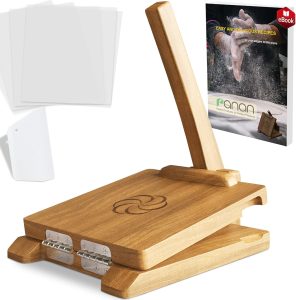
This is my top pick overall. The moment I pulled it out of the box, I could tell the quality was different. The acacia wood is rich, smooth, and beautifully finished. It does not look like a basic kitchen tool. It looks like something you would display on your countertop.
Product Features
The Panan Square Acacia press measures 10 inches across. That makes it larger than most 6 or 8 inch presses you will find in stores. Here is what comes inside the box:
- 10 inch square acacia wood press body
- 50 sheets of parchment paper
- Plastic dough cutter
- Non-slip rubber pads for the base
- Recipe eBook included digitally
The hinges and joints are made from stainless steel. That means no rusting, even if you press slightly damp dough. The handle has rounded edges that feel good in your palm.
What I Like
I love how little force this press needs. A lot of tortilla presses make you work hard to flatten the dough. This one does not. The engineering is smart. You press down and the dough spreads evenly without you having to lean into it.
The parchment paper is a great bonus. I placed one sheet under the dough and one on top, then pressed. The tortilla peeled off cleanly every single time.
The ergonomic handle is wide enough for a firm grip. I used it left-handed and right-handed during testing, and both felt natural.
Why It Is Better
Most wood tortilla presses at this price come without accessories. This one ships with everything you need to start immediately. The size also matters here. At 10 inches square, you can make large tortillas for burritos or smaller ones just by using less dough. It replaces the need for both a 6 inch and an 8 inch press.
The acacia wood is also food safe. It is naturally dense, which means it does not absorb moisture as easily as softer woods. This keeps it cleaner and longer lasting.
How It Performed
I made 12 tortillas in my first session. All of them came out uniform and smooth. The thickness was consistent from edge to center, which I really appreciate. Uneven tortillas tear when you cook them. These held together perfectly on the comal.
With gluten-free masa harina, the press performed just as well. The dough did not crack or stick. The parchment paper system made the whole process fast and clean.
How I Clean It
I never submerge a wood press in water. After each use, I wipe it down with a damp cloth. If dough sticks to the surface, I use a dry brush to scrape it off first. Then I wipe with a cloth lightly dampened with warm water. I let it air dry completely before storing.
Once a month, I rub a small amount of food-grade mineral oil onto the wood surface. This keeps the acacia from drying out or cracking over time.
Testing Results
After two weeks of daily use, the Panan Square press showed no signs of warping or wear. The stainless steel hinges stayed tight. The non-slip pads kept the press firmly on my counter during use. This is the press I now keep on my countertop full time.
Overall Score: 9.2/10
2. IMUSA Pine Wood Tortilla Press (7.5 Inch)
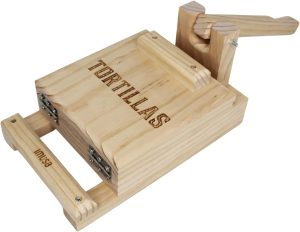
If you are just getting started with homemade tortillas and want something affordable and simple, the IMUSA Pine Wood press is a solid choice. It is made from natural pine wood with a clean, traditional look that fits a rustic kitchen perfectly.
Product Features
The IMUSA press has a 12 x 7.5 inch pressing surface. That gives you a decent amount of flexibility with tortilla size. Here is what you get:
- Solid pine wood body
- Manual lever operation
- Lightweight and compact build
- No rust metal hardware
This press does not include accessories like parchment paper or a dough cutter. But at its price point, that is expected.
What I Like
The IMUSA press is very lightweight. If you have limited storage space in your kitchen, this is easy to tuck away in a cabinet. It weighs almost nothing, so you can move it around easily.
The pine wood has a warm, natural look. It reminded me of the traditional tortilla presses I saw at my neighbor’s kitchen growing up. There is a certain charm to it.
Why It Is Better
For the price, this press offers excellent value. It does the core job well: flattening dough into a tortilla shape. If you only make tortillas occasionally or are just learning, you do not need to spend top dollar right away.
The pressing surface at 12 x 7.5 inches is also generously wide. It handles both small and medium sized tortillas with ease.
How It Performed
I noticed this press requires a little more downward pressure than the Panan Acacia model. Pine is a softer wood, and the lever arm is shorter. So you need to press firmly to get a thin, even tortilla.
That said, it still works well. My tortillas came out round and usable. For everyday cooking and casual Taco Tuesday nights, this gets the job done.
One thing I want to mention: the pine wood is more porous than acacia. This means you need to be a bit more careful about moisture during cleaning.
How I Clean It
Because pine wood is softer and more absorbent, I am extra careful here. I wipe the surface immediately after use with a dry cloth first. Then I use a barely damp cloth to clean off any remaining masa residue.
I never soak this press or leave it wet. I apply food-grade mineral oil once every two weeks to help protect the wood grain.
Testing Results
The IMUSA pine press performed reliably throughout testing. It is not the most powerful or most polished press on this list, but it earns its place as a budget friendly and functional tool. For beginners or occasional cooks, it is a great starting point.
Overall Score: 7.5/10
3. Panan Round Acacia Wood Tortilla Press (10 Inch)
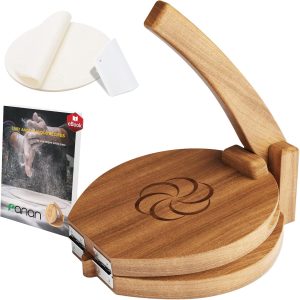
The third press I tested is also from the Panan brand, but this one is round instead of square. If you prefer traditional round tortilla shapes and want a press that looks elegant on your counter, this is the one to consider.
Product Features
The Panan Round press has a 10 inch circular pressing surface. It is made from the same food-grade acacia wood as the square version. Here is what is included:
- 10 inch round acacia or bamboo wood press (material options available)
- 50 sheets of parchment paper
- Plastic dough cutter
- Digital recipe eBook
- Rust-proof stainless steel hinges and joints
- Dual hand grip handle
What I Like
The round shape naturally guides the dough into a circular tortilla. If you are new to pressing, this makes shaping easier. The round pressing surface removes a step from the process.
I also appreciate the bamboo option. Bamboo is incredibly strong and slightly lighter than acacia. Both materials look beautiful. The polished finish on the round version felt even smoother to the touch than the square press.
The dual hand grip handle is a thoughtful design touch. Left-handed cooks will appreciate not having to awkwardly adjust their grip.
Why It Is Better
If you value the traditional tortilla shape and want a press that doubles as a kitchen display piece, the round version wins. It looks stunning on a wooden countertop. Guests always ask about it when they visit.
The round design also means you do not get square corners on your tortilla. Every tortilla comes out with a natural circular edge. This matters if presentation is important to you.
How It Performed
The round Panan press performed almost identically to the square version. The pressing force needed was low. The stainless steel hinges held firm throughout testing. The parchment paper system worked perfectly again here.
I found the round shape slightly easier to use for corn masa specifically. The dough naturally wants to spread in a circle. The square press works just as well, but the round one feels more intuitive.
For empanadas, arepas, and patacones, the round shape is especially convenient. I tested all of these and the results were excellent.
How I Clean It
Same process as the square Panan press. I wipe with a damp cloth after each use, never soak it, and apply food-grade mineral oil monthly. The acacia wood handles regular use very well with minimal maintenance.
Testing Results
After two weeks of testing, the round Panan press held up beautifully. No warping, no loosening of the hinges, and no staining or discoloration of the wood. My tortillas, arepas, and empanadas all came out even and smooth.
If you had to choose between the Panan square and the Panan round, it really comes down to shape preference. Both are excellent presses. The round one earns a very close second to the square in my personal ranking.
Overall Score: 8.8/10
How to Choose the Right Wood Tortilla Press
Here are a few things to think about before buying:
Wood Type Matters Acacia and bamboo are harder and more durable than pine. They resist moisture better and last longer with regular use. Pine is fine for occasional use but needs more careful maintenance.
Size Matters Too A 10 inch press gives you more flexibility than a 7.5 inch one. You can make smaller tortillas on a large press by using less dough. You cannot make larger tortillas on a small press.
Accessories Save Time Parchment paper is essential for using a wood tortilla press without dough sticking. If a press does not include parchment paper, factor that into your budget.
Think About Frequency of Use If you make tortillas every week, invest in a higher quality acacia press. If you cook tortillas a few times a year, the IMUSA pine press is a smart, affordable choice.
Side by Side Comparison
| Feature | Panan Square Acacia | IMUSA Pine | Panan Round Acacia |
|---|---|---|---|
| Size | 10 inch square | 7.5 inch | 10 inch round |
| Wood Type | Acacia | Pine | Acacia or Bamboo |
| Includes Parchment | Yes (50 sheets) | No | Yes (50 sheets) |
| Hinges | Stainless Steel | Metal | Stainless Steel |
| Rating | 4.4/5 | 3.9/5 | 4.2/5 |
| Price | $69.99 | $26.62 | $45.99 |
| Best For | Best Overall | Budget Pick | Round Tortillas |
My Final Recommendation
If I had to choose just one, I would go with the Panan Square Acacia 10 Inch press every time. It is the most complete package. The size is generous, the accessories are included, and the acacia wood is top tier. It has earned a permanent spot on my kitchen counter.
If you are on a budget, the IMUSA Pine press is a reliable and honest choice. It does not have the bells and whistles, but it makes good tortillas and costs less than $30.
If you care about the traditional round shape and want something that looks stunning, the Panan Round Acacia press is the clear winner in that category.
Frequently Asked Questions
1. Is a wood tortilla press better than a cast iron tortilla press?
It depends on what you value. Wood presses are lighter, easier to handle, and look beautiful in a kitchen. Cast iron presses are heavier and more durable over decades of use. For most home cooks, a wood press is perfectly sufficient and much easier to manage.
2. Do I need to season a wood tortilla press before using it?
You do not need to season it the way you season cast iron. However, applying a thin coat of food-grade mineral oil before first use helps protect the wood and makes it easier to clean. It also brings out the natural beauty of the grain.
3. Can I use a wood tortilla press for flour tortillas?
Yes. A wood tortilla press works for both corn and flour tortillas. Flour dough is stickier, so make sure to use parchment paper on both sides of the dough ball before pressing.
4. How do I keep my wood tortilla press from sticking?
Always use parchment paper or plastic wrap between the dough and the wood surface. This prevents sticking and makes cleanup much faster. Most quality presses like the Panan models include parchment paper in the box.
5. How long does a wood tortilla press last?
With proper care, a quality acacia wood press can last many years. Avoid soaking it in water, dry it after each use, and oil it regularly. Pine wood presses have a shorter lifespan under heavy use, but still last well with gentle care.
6. Can I use a wood tortilla press for arepas and empanadas?
Absolutely. All three presses on this list work well for arepas, empanadas, patacones, and more. The Panan presses even include recipes for these in their eBook.
7. What size wood tortilla press should I buy?
For most home cooks, a 10 inch press is ideal. It gives you the flexibility to make tortillas of various sizes. If you have very limited counter or storage space, a 7.5 inch press like the IMUSA model is a practical and compact option.