
Last Updated on July 3, 2026 by Susanna Zuyeva
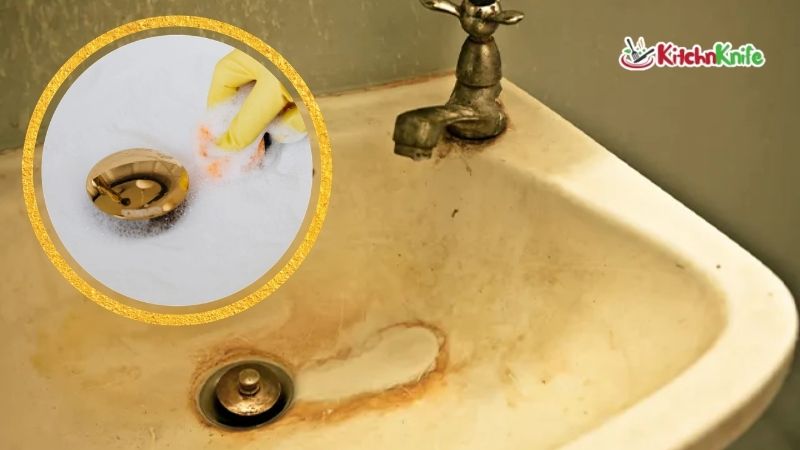
Hard water stains can make even a clean sink look dirty. These white, chalky marks come from minerals in your water. The good news? You can remove them with items you already have at home.
This guide shows you simple, safe ways to get your sink looking new again.
Why Hard Water Stains Happen
Hard water contains calcium and magnesium. When water dries on your sink, these minerals stay behind. Over time, they build up into a crusty layer.
Stains often appear:
- Around the faucet base
- Near the drain
- On steel and chrome surfaces
- Inside the basin after standing water dries
The longer they sit, the harder they get. That’s why early treatment works best.
What You Need Before You Start
You don’t need fancy tools. Most methods use items from your kitchen.
Common supplies include:
- White vinegar
- Baking soda
- Lemon
- Soft cloth or sponge
- Old toothbrush
- Rubber gloves
Always check your sink material first. Some cleaners can damage natural stone or coated surfaces. When in doubt, test on a small area.
Method 1: Vinegar Soak (Best for Most Sinks)
Vinegar is a gentle acid. It breaks down mineral deposits without harsh chemicals.
Steps:
- Soak a cloth in white vinegar.
- Lay it over the stained area.
- Let it sit for 15–30 minutes.
- Wipe with a damp sponge.
- Rinse with water.
For deeper stains, repeat the process. Vinegar works well on porcelain, ceramic, and most steel sinks.
Method 2: Baking Soda Paste for Tough Spots
Baking soda adds gentle scrubbing power. It works great alongside vinegar.
Steps:
- Mix baking soda with a little water to form a paste.
- Apply the paste to the stain.
- Scrub gently with a soft brush or sponge.
- Rinse well.
This method is safe for daily use and won’t scratch most surfaces.
Method 3: Lemon for Stainless Steel
Lemon juice contains citric acid, which dissolves mineral spots. It also leaves a fresh smell.
Steps:
- Cut a lemon in half.
- Rub the cut side directly on the stain.
- Let the juice sit for 5–10 minutes.
- Wipe clean with a damp cloth.
This is a quick fix for light stains around faucets and drains.
Method 4: Commercial Cleaners for Heavy Buildup
If natural methods don’t fully work, a store-bought lime and rust remover can help.
Tips for using these products:
- Always wear gloves.
- Follow the instructions on the label.
- Use in a well-ventilated room.
- Avoid mixing with other cleaners.
These cleaners are strong, so use them only when needed.
Tips to Prevent Future Stains
Stopping stains before they form saves time later.
Try these habits:
- Wipe the sink dry after each use.
- Use a squeegee on steel sinks.
- Clean weekly with vinegar.
- Install a water softener if hard water is a big issue in your home.
Small daily habits make a big difference over time.
Final Thoughts
Hard water stains don’t have to be permanent. With vinegar, baking soda, or lemon, you can clean most sinks using simple home items. For tough buildup, a commercial cleaner can finish the job.
Keep your sink dry and clean it regularly. This small step keeps hard water stains from coming back—and keeps your sink looking bright for years.