
Last Updated on June 13, 2026 by Kathay Lee
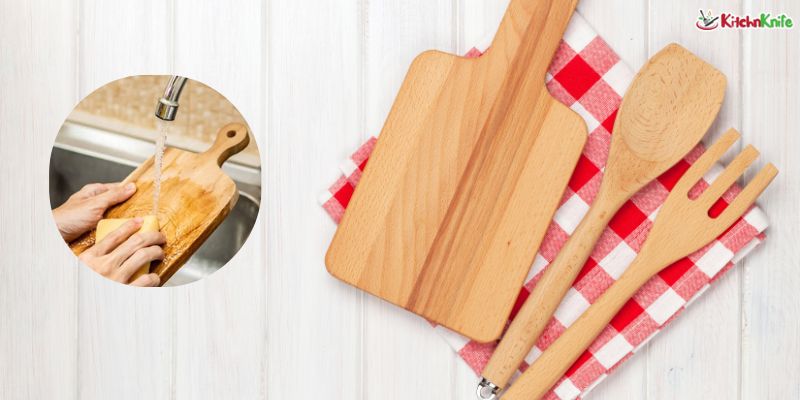
Wooden spoons, cutting boards, and bowls bring warmth to any kitchen. But wood needs gentle care. If you clean it the wrong way, it can crack, smell bad, or grow bacteria. This guide shows you simple steps to keep your wooden tools clean, safe, and ready to use for years.
Why Wooden Utensils Need Special Care
Wood is porous. This means it has tiny holes that can soak up water, oil, and food bits. Unlike plastic or metal, wood can dry out and crack if you treat it the wrong way. Harsh soap, hot water, and dishwashers can ruin your favorite wooden spoon fast.
The good news? With the right routine, wood utensils can last for decades. Many cooks even pass down wooden tools to their kids.
What You Need Before You Start
You don’t need fancy products. Most items are already in your kitchen.
Here’s what to gather:
- Warm water
- Mild dish soap
- A soft sponge or cloth
- Baking soda
- White vinegar
- Lemon (optional)
- Food safe mineral oil or coconut oil
- A clean towel
Step by Step Cleaning Method
Follow these steps after every use.
- Rinse right away. Don’t let food dry on the surface.
- Use warm water, not hot. Hot water can warp or crack wood.
- Add a small drop of mild soap. Avoid strong or scented cleaners.
- Wipe gently with a soft sponge. Scrub in the direction of the wood grain.
- Rinse fully. Make sure no soap is left behind.
- Dry right away. Use a clean towel. Don’t let it air dry flat on the counter.
This quick routine takes less than a minute but protects your utensils for years.
How to Remove Stains and Smells
Wood can hold onto smells from garlic, onions, or strong spices. Stains can also build up over time. Here’s how to fix that.
For Stains
Make a paste with baking soda and a little water. Rub it on the stain with a soft cloth. Let it sit for five minutes, then rinse and dry.
For Smells
Cut a lemon in half and rub it over the surface. Let it sit for a few minutes before rinsing. The natural acid breaks down odors without harming the wood.
You can also sprinkle salt on the surface, then rub with half a lemon. This combo lifts both stains and smells at once.
Disinfecting Wood Safely
Many people think wood is less sanitary than plastic. Studies show the opposite can be true. Wood has natural antibacterial properties. Still, it’s smart to disinfect now and then, especially after cutting raw meat.
Here’s a safe method:
- Wipe the surface with a mix of one part white vinegar and one part water.
- Let it sit for one minute.
- Rinse with clean water.
- Dry fully with a towel.
Avoid soaking wood in vinegar or bleach. Long soaks can damage the wood fibers and cause splitting.
Drying and Storing Tips
How you dry and store wooden utensils matters just as much as how you clean them.
- Stand spoons upright in a holder so air reaches all sides.
- Lay cutting boards on their edge, not flat, so both sides dry evenly.
- Avoid direct sunlight or heat sources like ovens or radiators. These can cause cracking.
- Never leave wood items soaking in a sink full of water.
Good airflow stops mold and keeps wood from warping.
Oiling Your Wooden Utensils
Wood loses natural oils over time. This can make it look dull or feel rough. Oiling restores moisture and helps prevent cracks.
How to Oil Wood Utensils
- Clean and fully dry the item first.
- Pour a small amount of food safe mineral oil or coconut oil onto a cloth.
- Rub it into the wood, following the grain.
- Let it sit for a few hours or overnight.
- Wipe off any extra oil with a clean cloth.
Do this once a month, or more often if you use the item daily. Avoid vegetable oils like olive or canola. These can turn rancid and create a bad smell.
Common Mistakes to Avoid
Even careful cooks make these errors. Here’s what to watch for:
- Putting wood in the dishwasher. Heat and long water exposure cause damage.
- Soaking utensils for hours. This leads to swelling, cracking, and warping.
- Using harsh chemical cleaners. These can strip natural oils and leave residue.
- Skipping the drying step. Wet wood left out invites mold growth.
- Storing in a closed, damp drawer. Wood needs airflow to stay healthy.
Avoiding these simple mistakes can double the life of your wooden tools.
Final Thoughts
Cleaning wooden kitchen utensils doesn’t have to be hard. A quick rinse, a gentle wipe, and proper drying after each use go a long way. Add monthly oiling, and your wooden spoons, boards, and bowls will stay strong, smooth, and safe for years.
With this simple routine, your kitchen tools will not just survive, they’ll become better with age. Treat your wood gently, and it will serve your kitchen for a lifetime.