
Last Updated on July 6, 2026 by Kathay Lee
Choosing the right oil can feel hard. There are so many bottles on the shelf. Olive oil. Avocado oil. Coconut oil. Canola oil. Which one is best?
The truth is simple. No single oil wins every time. The best oil depends on your health goals, your budget, and how you cook. This guide breaks it all down. You will learn what makes an oil healthy, which oils suit which cooking methods, and which oils to avoid.
Let’s dig in.
Content Outline
- Why the right cooking oil matters
- What makes an oil healthy
- Smoke point explained
- Best oils for high-heat cooking
- Best oils for everyday cooking
- Best oils for salads and dressings
- Oils to limit or avoid
- Quick oil comparison
- Tips for storing oil
- FAQs
Why the Right Cooking Oil Matters
Oil does more than stop food from sticking. It carries flavor. It affects your heart health. It can even change how your body absorbs nutrients.
Some oils turn harmful when heated too high. Others stay stable and safe. This is why picking the right oil matters for your health, not just your taste buds.
What Makes an Oil Healthy
A healthy oil has three key traits:
- Low in saturated fat. Saturated fat can raise bad cholesterol.
- High in unsaturated fat. This type supports heart health.
- Minimally processed. Cold-pressed or extra virgin oils keep more nutrients.
Oils like olive oil and avocado oil check all three boxes. This is why doctors often recommend them.
Smoke Point Explained
Every oil has a smoke point. This is the temperature where oil starts to burn and smoke. Once oil passes this point, it breaks down. It can release harmful compounds and lose good nutrients.
Here is a simple rule:
- Low smoke point oils work best for dressings and light sautéing.
- High smoke point oils work best for frying and roasting.
Knowing this helps you avoid burnt, bitter food. It also protects your health.
Best Oils for High-Heat Cooking
High heat means frying, grilling, or roasting at high temperatures. You need an oil that can handle the heat without breaking down.
Avocado Oil
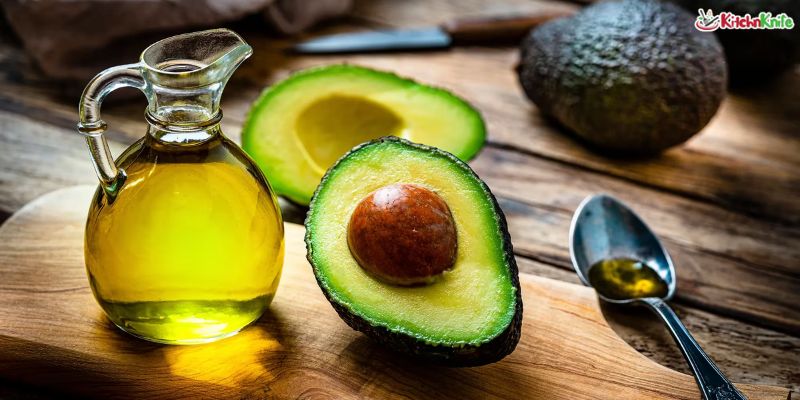
Avocado oil has one of the highest smoke points. It handles heat well. It also has a mild taste. Many chefs use it for searing meat or roasting vegetables.
Refined Olive Oil
Regular olive oil, also called refined olive oil, has a higher smoke point than extra virgin olive oil. It works well for stir-frying and pan-searing.
Ghee or Clarified Butter
Ghee handles high heat with ease. It adds a rich, nutty flavor. It is also lactose-free, which makes it easier on the stomach for many people.
Best Oils for Everyday Cooking
Everyday cooking means sautéing, baking, and light frying. These oils suit daily kitchen tasks.
Extra Virgin Olive Oil
This oil is a top pick for health. It is rich in antioxidants. It supports heart health. Studies link it to lower risks of heart disease. Use it for sautéing vegetables or drizzling on cooked meals.
Canola Oil
Canola oil is low in saturated fat. It has a neutral taste. This makes it a solid choice for baking or everyday cooking.
Avocado Oil
Avocado oil is not just for high heat. It also works well for everyday meals. It has a smooth texture and a mild taste. It fits into most recipes with ease.
Best Oils for Salads and Dressings
Cold dishes need oils with strong flavor and rich nutrients. Heat is not a factor here.
Extra Virgin Olive Oil
This oil shines in salads. Its bold flavor pairs well with vinegar, lemon, and herbs. It is also full of healthy fats that support your body.
Flaxseed Oil
Flaxseed oil is rich in omega-3 fats. Never heat this oil. Use it only in cold dishes like dressings or smoothies.
Walnut Oil
Walnut oil has a nutty taste. It works well in salads. It also carries good amounts of healthy fat.
Oils to Limit or Avoid
Some oils are not the best choice for regular use. Here is why:
- Palm oil. High in saturated fat. Also linked to environmental harm.
- Hydrogenated oils. These contain trans fats. Trans fats raise bad cholesterol and lower good cholesterol.
- Highly processed vegetable oil blends. These often go through heavy chemical processing. They may lose nutrients along the way.
Small amounts now and then will not harm most people. But daily use may raise health risks over time.
Quick Oil Comparison
| Oil | Smoke Point | Best Use | Health Notes |
|---|---|---|---|
| Avocado Oil | High | Frying, roasting | Rich in healthy fat |
| Extra Virgin Olive Oil | Medium | Sautéing, dressing | High in antioxidants |
| Refined Olive Oil | High | Frying, searing | Good for heat |
| Canola Oil | High | Baking, frying | Low in saturated fat |
| Coconut Oil | Medium-High | Baking | High in saturated fat |
| Flaxseed Oil | Low | Cold dishes only | Rich in omega-3 |
Tips for Storing Oil
Good storage keeps oil fresh and safe.
- Store oil in a cool, dark place.
- Keep the lid tight after each use.
- Buy smaller bottles if you cook rarely.
- Check for a rancid smell before use. Rancid oil smells sharp or sour.
Fresh oil tastes better. It also keeps more of its health benefits.
Final Thoughts
There is no single “best” oil for every meal. The best oil for cooking depends on the heat level, the dish, and your health needs.
For daily use, extra virgin olive oil and avocado oil are strong, healthy picks. For high-heat meals, choose refined olive oil, avocado oil, or ghee. For salads, stick with cold-pressed oils full of flavor and nutrients.
Small changes in oil choice can support long-term health. Start with one swap today. Your body will thank you.
FAQs
What is the healthiest oil for daily cooking? Extra virgin olive oil and avocado oil are top picks. Both are rich in healthy fat and low in harmful compounds.
Can I reuse cooking oil? Reusing oil once or twice is fine if it looks and smells fresh. Throw it out if it turns dark, smells off, or foams during heating.
Which oil is best for frying? Avocado oil and refined olive oil work well for frying. Both handle high heat without breaking down.
Is coconut oil healthy? Coconut oil has a place in some diets, but it is high in saturated fat. Use it in small amounts, not as your main cooking oil.
Should I avoid vegetable oil completely? Not always. Some vegetable oils, like canola oil, are fine in moderation. Try to limit heavily processed oils when you can.