
Last Updated on July 6, 2026 by Kathay Lee
How to Cook Vegetables Without Losing Nutrients
Vegetables lose nutrients fast. Heat, water, and time all play a part. But you can stop most of this loss. You just need the right method.
This guide shows you how. You will learn which cooking methods keep nutrients in. You will also learn which ones to avoid. Simple steps. Real results.
Why Vegetables Lose Nutrients When Cooked
Most vegetables hold water-soluble vitamins. Vitamin C is one example. B vitamins are another. These vitamins dissolve in water. They also break down with heat.
When you boil vegetables, vitamins leach into the water. You then pour that water down the drain. The nutrients go with it.
Heat also destroys some nutrients directly. Long cooking times make this worse. The longer food cooks, the more nutrients it loses.
Air and light cause damage too. Cut vegetables lose nutrients faster than whole ones. This is why fresh vegetables matter. Buy them fresh. Store them well. Cook them soon.
The Best Cooking Methods for Nutrient Preservation
Some cooking methods protect nutrients better than others. Here is what works best.
1. Steaming
Steaming is one of the best ways to cook vegetables. The food never touches water directly. This means fewer nutrients wash away.
Steaming vegetables also cooks food fast. Short cook times protect heat-sensitive vitamins. Broccoli is a great example. Steamed broccoli keeps more vitamin C than boiled broccoli.
Tips for steaming:
- Use a steamer basket over boiling water.
- Keep the lid on.
- Cook until just tender. Do not overcook.
- Cut vegetables into even pieces for equal cooking.
2. Microwaving
Microwaving is fast and simple. It uses little water. It also uses short cook times. Both factors help preserve nutrients.
Studies show microwaved vegetables often keep more nutrients than boiled ones. This is true for many vegetable types.
Tips for microwaving:
- Add a small splash of water.
- Cover the dish.
- Cook in short bursts. Check often.
3. Stir-Frying
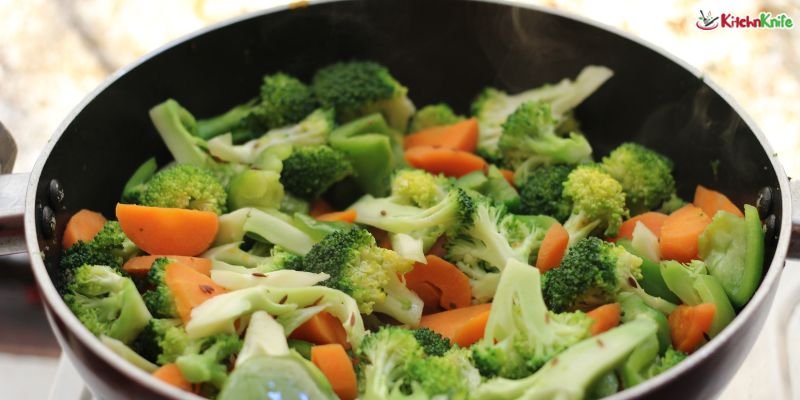
Stir-frying uses high heat and short cook times. This combination limits nutrient loss. It also uses little to no water.
Adding a bit of healthy oil can help too. Some vitamins, like vitamin A, absorb better with fat.
Tips for stir-frying:
- Cut vegetables thin. They cook faster this way.
- Use a hot pan.
- Stir often. Do not let food sit still.
- Cook until crisp-tender.
4. Roasting
Roasted vegetables taste great. This method uses dry heat. There is no water to leach nutrients into.
Roasting does take longer than steaming. High oven heat can reduce some vitamin C. But minerals and fiber stay mostly intact.
Tips for roasting:
- Use a hot oven, around 400°F (200°C).
- Cut vegetables evenly.
- Do not overcrowd the pan. This helps vegetables roast, not steam.
- Check for doneness early.
Cooking Methods to Limit
Some cooking methods cause more nutrient loss. You do not need to avoid them completely. But use them less often.
Boiling
Boiling water pulls nutrients out of vegetables. This happens through a process called leaching. Vitamin C and B vitamins are most affected.
If you boil vegetables, try this instead:
- Use as little boiling water as possible.
- Boil for the shortest time possible.
- Save the cooking water for soups or sauces. This helps you keep the lost nutrients.
Deep Frying
Deep frying uses high heat for a long time. It also adds excess oil. This method destroys many vitamins. It is not a good choice for daily nutrition.
Extra Tips to Preserve Nutrients
Small habits make a big difference. Try these tips every time you cook.
- Cook vegetables whole or in large pieces. Cutting increases surface area. More surface area means more nutrient loss.
- Cook for less time. Check vegetables often. Stop cooking as soon as they are tender.
- Cover your pot or pan. This traps steam and speeds up cooking.
- Cool vegetables quickly after cooking. This stops the cooking process and protects nutrients.
- Eat some vegetables raw. Raw vegetables keep 100% of their nutrients. Add raw spinach, carrots, or peppers to salads.
- Store vegetables properly. Keep them cold and dry. This slows nutrient loss before you even start cooking.
How Cooking Affects Nutrient Absorption
Cooking is not always bad for nutrition. Some methods actually help nutrient absorption.
Cooking tomatoes boosts lycogen, an antioxidant. Cooking carrots increases the amount of beta-carotene your body can absorb. Heat breaks down plant cell walls. This releases nutrients that raw food keeps locked away.
So the goal is not to avoid cooking. The goal is to choose the right method for each vegetable.
Vegetable-Specific Tips
Different vegetables need different care. Here are a few examples.
Broccoli: Steam it for 5 minutes. This keeps the most vitamin C and antioxidants.
Leafy greens: Sauté them quickly in a little oil. This helps your body absorb fat-soluble vitamins like vitamin K.
Root vegetables: Roast or steam them. These methods protect minerals like potassium.
Peppers and tomatoes: Eat some raw. Cook some. This gives you a mix of nutrient benefits.
Common Mistakes That Waste Nutrients
Avoid these habits. They quietly strip nutrients from your food.
- Soaking cut vegetables in water for a long time.
- Boiling vegetables in large amounts of water.
- Overcooking until vegetables turn mushy.
- Storing cut vegetables uncovered in the fridge.
- Throwing away cooking water instead of reusing it.
Simple Meal Plan Example
Here is how you might apply these tips in one day.
- Breakfast: Add raw spinach to a smoothie.
- Lunch: Stir-fry mixed vegetables with a little olive oil.
- Dinner: Steam broccoli and roast carrots as side dishes.
This mix gives you variety. It also protects a wide range of nutrients across your diet.
Frequently Asked Questions
Does steaming or boiling keep more nutrients? Steaming keeps more nutrients than boiling. Vegetables do not touch water directly. This limits nutrient loss.
Is it better to eat vegetables raw or cooked? Both have benefits. Raw vegetables keep all their water-soluble vitamins. Cooked vegetables can offer better absorption of some nutrients, like beta-carotene. Eat a mix of both.
Does microwaving destroy nutrients? No. Microwaving is actually one of the better cooking methods. It uses short cook times and little water. This helps preserve nutrients.
What is the healthiest way to cook broccoli? Steaming is the healthiest way to cook broccoli. Steam it for about 5 minutes for the best nutrient retention.
Should I use the water left over from boiling vegetables? Yes. That water holds nutrients that leached out during cooking. Use it in soups, stews, or sauces instead of throwing it away.
Does cutting vegetables reduce their nutritional value? Yes, over time. Cutting exposes more surface area to air and light. This speeds up nutrient loss. Cut vegetables right before cooking for the best results.
Final Thoughts
Cooking vegetables the right way keeps their nutritional value high. Steam, microwave, or stir-fry when you can. Limit boiling and deep frying. Use short cook times and small amounts of water.
Small changes make a big difference. Your meals will taste just as good. And your body will get more of the vitamins and minerals it needs.