
Last Updated on July 24, 2026 by Kathay Lee
Tough beef ruins a good meal. Tender beef makes it. The secret is not luck. It is method.
This guide shows you how to cook tender beef every time. You will learn which cuts work best. You will learn how to prep the meat. You will learn which cooking methods break down tough fibers. Follow these steps, and your beef will turn out soft, juicy, and full of flavor.
Why Beef Turns Tough
Beef gets tough for two main reasons.
- The cut has a lot of connective tissue.
- The cooking method does not match the cut.
Muscles that work hard, like the shoulder or leg, build tough fibers. These cuts need slow, gentle heat. Muscles that don’t work much, like the loin, stay soft. These cuts need fast, high heat.
Match the cut to the right method. That is the first rule of tender beef.
Step 1: Choose the Right Cut
Not all beef cuts are equal. Some are naturally tender. Others need extra care.
Naturally tender cuts include:
- Petite tender (also called the shoulder tender)
- Tenderloin
- Ribeye
Cuts that need slow cooking include:
- Chuck tender
- Beef stew meat
- Brisket
Petite tender is small, lean, and soft. It cooks fast on a grill or in a hot pan. Chuck tender sounds similar, but it comes from the shoulder. It has more connective tissue. It needs low heat and extra time to soften. Beef stew meat also comes from tough areas. It works best in soups, stews, or slow cooker meals.
Pick your cut based on how you plan to cook it. This one choice makes a big difference.
Step 2: Cut Against the Grain
Look closely at raw beef. You will see lines running through it. These lines are muscle fibers.
Cutting with the grain leaves long fibers in each bite. Long fibers feel chewy. Cutting against the grain shortens those fibers. Short fibers feel soft.
Here’s how to do it:
- Find the direction of the fibers.
- Turn your knife so it crosses the fibers.
- Slice straight down in thin, even pieces.
This one simple step makes a huge difference in texture.
Step 3: Tenderize Before You Cook
Some cuts need help before they hit the heat.
Baking soda is a simple, cheap tool. It raises the pH on the meat’s surface. This stops the proteins from binding too tightly. The result is softer beef, even after high heat.
To use it:
- Sprinkle a small amount of baking soda on the beef.
- Rub it in gently.
- Let it sit for 15 to 20 minutes.
- Rinse the beef well before cooking.
This trick works great for stir-fry meat. It also helps tougher cuts, like beef stew meat, cook up softer.
Other tenderizing options include:
- Acidic marinades, like lemon juice, vinegar, or yogurt
- Salt brines
- A meat mallet for light pounding
Pick one method. Don’t overdo it. Too much acid or salt can dry out the meat.
Step 4: Match the Cooking Method to the Cut
This step matters most. The right method turns tough cuts into tender bites.
Fast, High-Heat Methods
Use these for naturally tender cuts.
- Beef stir fry: Slice the beef thin. Cook it fast over high heat. Stir often. This method suits petite tender and tenderloin well.
- Grilling: Great for steaks. Sear both sides. Don’t overcook.
- Pan-searing: Use a hot pan and a little oil. Sear a few minutes per side.
Slow, Low-Heat Methods
Use these for tougher cuts.
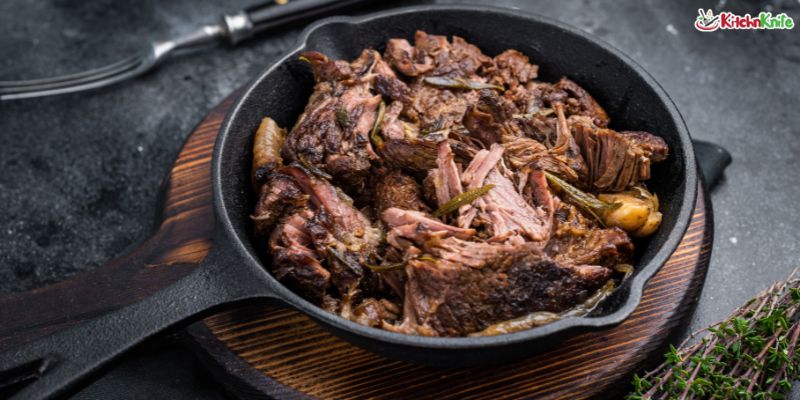
- Braised beef: Sear the meat first. Then simmer it in liquid for hours. This breaks down tough fibers. Chuck tender and brisket work well here.
- Stewing: Cut beef stew meat into chunks. Cook it slowly in broth with vegetables. The long cook time softens the meat.
- Slow cooking: Use a slow cooker on low heat. Cook for six to eight hours. This method takes little effort and gives great results.
Low, slow heat gives collagen time to melt into gelatin. That gelatin makes the meat feel tender and moist.
Step 5: Rest the Meat After Cooking
Don’t skip this step. Resting lets the juices settle back into the meat.
- Rest steaks for 5 to 10 minutes.
- Rest roasts for 15 to 20 minutes.
- Cover the meat loosely with foil while it rests.
If you cut beef too soon, the juices spill out. The meat turns dry.
Common Mistakes That Make Beef Tough
Avoid these common errors:
- Cooking tender cuts too long
- Cooking tough cuts too fast
- Skipping the resting step
- Cutting with the grain instead of against it
- Using too little salt during cooking
- Skipping the tenderizing step on tough cuts
Small fixes lead to big improvements.
Quick Recap: 5 Steps for Tender Beef
- Choose the right cut for your recipe.
- Cut against the grain.
- Tenderize with baking soda or a marinade.
- Match the cooking method to the cut.
- Rest the meat before serving.
Follow these five steps, and your beef will turn out tender every time.
FAQ
Does baking soda really make beef tender? Yes. Baking soda changes the surface pH of the meat. This stops the proteins from tightening up. The meat stays soft, even after fast, high heat.
What is the best cut for beef stir fry? Petite tender works well. Flank steak and sirloin also work well. Slice all cuts thin and against the grain.
Why is my chuck tender still tough after cooking? It may need more time. Chuck tender has connective tissue. It softens only with slow, moist heat, like braising or stewing.
Can I use beef stew meat for stir fry? It’s not ideal. Beef stew meat needs long, slow cooking to soften. Stir fry needs fast heat and naturally tender cuts.
How long should I braise beef for tender results? Most cuts need two to three hours. Check with a fork. The beef should pull apart easily when it’s done.
Final Thoughts
Tender beef is not about luck. It’s about matching the cut, the prep, and the method. Pick the right piece of meat. Cut it against the grain. Tenderize it if needed. Cook it low and slow, or fast and hot, based on the cut. Then let it rest before you serve it.
Do these five things, and every meal will turn out soft, juicy, and full of flavor.