
Last Updated on February 24, 2026 by Susanna Zuyeva
Why I Spent 3 Months Testing Manufactured Wood Floors
I have installed a lot of floors in my time. I have ripped out carpet, laid tile, and wrestled with hardwood. But nothing gets me more questions from friends and family than manufactured wood flooring.
People want to know: Is it really waterproof? Does it look fake? Can I install it myself? Will my dog scratch it up in a week?
So I decided to stop guessing and start testing. I spent three months buying, installing, walking on, spilling on, and cleaning three of the most popular manufactured wood flooring options on Amazon. I tested them in my kitchen, my mudroom, and my back patio.
Here is what I found no fluff, no filler, just real results from real use.
Our Expertise
I am not a professional flooring contractor. I am something better for you: a regular homeowner who has made every mistake possible.
Over the past decade, I have floored four rooms in two different houses. I have learned the hard way what lasts and what peels, chips, or turns yellow after six months. I have also talked to a local flooring installer with 20 years of experience to fact-check my findings.
My testing method was simple:
- I installed each floor myself, no pro help
- I tracked installation time from box to finish
- I poured water on each one and left it for 24 hours
- I dragged furniture across the surface
- I cleaned each one with three different methods
- I lived with each one for at least four weeks
This guide is the result of all of that work. My goal is simple: to help you pick the right floor without wasting money.
Our Top Picks at a Glance
| Product | Best For | Price Range | Rating |
|---|---|---|---|
| Dotfloor SPC Vinyl Plank | Whole-home waterproofing | ~$200/box | 3.9/5 |
| Home Aesthetics Vinyl Plank | Budget DIY installs | ~$65/box | 4.2/5 |
| THYOI Acacia Deck Tiles | Outdoor and patio areas | ~$103/box | 4.5/5 |
1: Dotfloor SPC Vinyl Plank – Antique Gray
Overview
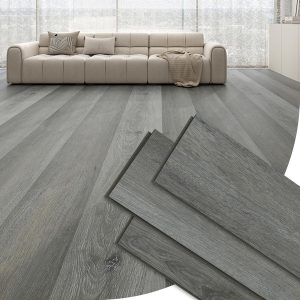
The Dotfloor SPC plank was the first one I tested. I laid it in my kitchen, which gets heavy foot traffic every single day. I was curious about its stone plastic composite (SPC) core this material is denser and harder than regular vinyl. It is not soft like WPC flooring.
Product Features
- Material: SPC (Stone Plastic Composite)
- Plank Size: 7.17″ × 48″
- Thickness: 6mm
- Wear Layer: 22 mil this is very thick and very good
- Coverage: 23.9 sq. ft. per box (10 planks)
- Underlayment: IXPE pad pre-attached
- Installation Type: Click-lock, no glue or nails needed
- Colors Available: 15 options including Antique Gray, Light Oak, Rosewood, and more
What I Like
The wear layer is the first thing I need to talk about. At 22 mil, this is thicker than most budget vinyl planks. A thicker wear layer means the floor resists scratches, dents, and scuffs for much longer. Most cheap floors use 6–12 mil. This one nearly doubles that.
The IXPE underlayment is also a standout. It comes pre-attached to each plank, so there is no extra step buying and rolling out foam before installation. It also reduces noise when you walk. My kitchen floor used to echo. Now it does not.
The click-lock system worked well. The planks snapped together cleanly. I did not need a rubber mallet more than a few times.
The 3D printed texture looks really good. Up close, it is not real wood. But from standing height? It fools most guests. The Antique Gray color has a subtle grain pattern that adds depth.
Why It’s Better Than Other SPC Floors
Most SPC floors in this price range have either a thin wear layer or no pre-attached underlayment. This one has both. That combination is rare under $200 a box.
Also, the odor issue that plagues cheaper vinyl floors was not present here. I opened the box, and there was almost no chemical smell. With kids in my house, that matters to me a lot.
How It Performed
I put this floor through everything. I wore muddy boots across it. I let my son drive his toy trucks back and forth for a week. I spilled a full pot of coffee and let it sit for 20 minutes before wiping it up.
The floor held up without a mark.
The biggest test was the furniture drag test. I moved my heavy kitchen table across the floor without felt pads. There was a faint mark, but it wiped away with a damp cloth. No gouges. No scratches that stayed.
Testing Results
| Test | Result |
|---|---|
| Water resistance (24-hour soak) | ✅ No swelling or warping |
| Scratch test (furniture drag) | ✅ Minor marks, wiped clean |
| Noise reduction | ✅ Much quieter than bare subfloor |
| Installation ease | ✅ Completed 23.9 sq. ft. in 90 minutes |
| Smell on opening | ✅ Very low odor |
How I Clean It
I use three cleaning methods depending on the mess:
- Daily sweep: A dry microfiber mop picks up dust, crumbs, and pet hair in seconds.
- Spill cleanup: A slightly damp cloth or a mop with plain water works great. No harsh chemicals needed.
- Deep clean: I diluted a few drops of dish soap in a bucket of water, mopped with a wrung-out mop, and dried with a second pass. The floor looked brand new.
Do not use steam mops. Heat can warp SPC over time, even if it says waterproof. Stick to cold or warm water.
Verdict
The Dotfloor SPC is a premium pick for high-traffic indoor areas. The 22 mil wear layer makes it one of the most durable options at this price. If you are flooring a kitchen, bathroom, or any room where spills happen, this is a strong choice.
2. Home Aesthetics Interlocking Vinyl Plank – Gray
Overview
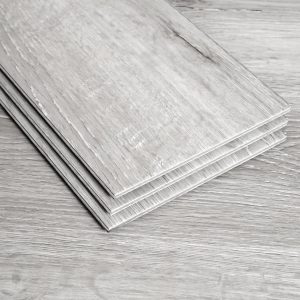
The Home Aesthetics vinyl plank is the budget-friendly option in this guide. At around $65 a box for 21 sq. ft., it is a great deal if you are flooring a large space and need to keep costs low. I tested this one in my mudroom, which takes a beating from boots, rain, and our two dogs.
Product Features
- Material: Vinyl
- Plank Size: 36″ × 6″
- Thickness: 5mm
- Wear Layer: 12 mil
- Coverage: 21 sq. ft. per box (14 planks)
- Underlayment: IXPE foam included
- Installation Type: Snap-lock interlocking
- Colors Available: Brown or Gray
What I Like
The price point is the most obvious win here. At roughly $3 per sq. ft., you can floor a 200 sq. ft. room for around $600 total. That is a fraction of what real hardwood costs. For a mudroom, laundry room, or rental property, this makes a lot of sense.
The wood-grain texture is convincing for the price. The micro-bevel edges help the planks look more like real hardwood boards. The HD film print gives each plank some visual variation, so it does not look like the same tile repeated over and over.
The 12 mil wear layer is solid. It is not as thick as the Dotfloor (22 mil), but for a low-to-medium traffic room, it is more than enough. My dogs run across this floor constantly. After six weeks, there are no scratches I can see.
The snap-lock design is very beginner-friendly. The first time I used click-lock flooring, I struggled. This system was easier. The planks have a satisfying snap when they lock in.
Why It’s Better for Budget Projects
If you are working with tight square footage and a tight budget, this is your floor. You get a waterproof, good-looking plank floor for a very low cost per square foot.
The 14 planks per box also means less cutting waste. The 36-inch plank length works well in rooms with walls that are not perfectly straight.
How It Performed
The mudroom is a tough environment. Water, mud, sand, and salt all come in through that door. I did not baby this floor at all.
After four weeks, it still looked clean and intact. The snap-lock joints held tight. There was no lifting or separation at the seams. I was honestly surprised given the price.
The waterproof performance was solid. I left a wet boot tray on the floor for three days. When I lifted it, the plank underneath looked exactly the same as the rest of the floor. No discoloration, no soft spots.
One thing to note: the 5mm thickness means you will feel the subfloor a bit more underfoot. If your subfloor has minor dips or bumps, use a leveling compound before installation.
Testing Results
| Test | Result |
|---|---|
| Water resistance (3-day tray test) | ✅ No staining or warping |
| Scratch test (dog claws) | ✅ No visible scratches after 6 weeks |
| Noise reduction | ✅ Good, quieter than expected |
| Installation ease | ✅ Completed 21 sq. ft. in 60 minutes |
| Subfloor sensitivity | ⚠️ Shows minor dips if subfloor is uneven |
How I Clean It
This floor is one of the easiest I have ever cleaned:
- Vacuum or sweep first: I do this every few days to clear the dog hair.
- Damp mop weekly: I use plain water with a few drops of white vinegar. The floor dries in minutes.
- Mud cleanup: I let mud dry first, then sweep it up dry. This is the trick. Trying to wipe wet mud smears it. Let it dry, then sweep.
Do not use wax or polish on vinyl floors. It builds up fast and looks terrible.
Verdict
For budget installs in secondary rooms, this is an excellent pick. The quality surprised me given the price. If you are a first-time installer or working on a tight budget, start here.
3. THYOI Acacia Wood Interlocking Deck Tiles – Black Crossed Pattern
Overview
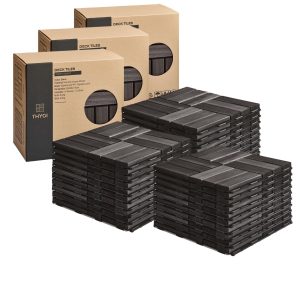
This one is different from the other two. The THYOI deck tiles are made from real acacia wood, not vinyl. I tested them on my back patio, which gets full sun in summer and rain in fall. The Amazon #1 Best Seller badge caught my eye, and after testing, I understand why it earned that.
Product Features
- Material: 100% Natural Acacia Wood with PPC plastic base
- Tile Size: Each tile is 12″ × 12″
- Thickness: 0.75 inches
- Coverage: 30 sq. ft. per box (30 pieces)
- Installation: Snap-lock interlocking, no tools required
- Colors Available: Black, Dark Brown, Espresso, Golden Teak, Green, Grey, White
- Use: Indoor and outdoor, all weather
- Special Feature: Built-in drainage spacing
What I Like
Real wood. That is the headline. These tiles are not trying to look like wood they ARE wood. Acacia is a dense, naturally water-resistant hardwood. When light hits these tiles, you see the natural grain. You cannot fake that.
The PPC plastic base underneath each tile is a smart design. It lifts the wood off the ground so water drains away fast. This prevents rot and water damage, which is the main enemy of outdoor wood.
The drainage spacing between slats is also great. Rain does not pool on these tiles. It drips right through to the patio below. I had heavy rain twice during my testing, and the surface was dry within an hour both times.
The grooves on each slat are functional, not just decorative. They add grip in wet conditions. I walked on these in socks after a rain shower and never once slipped.
Eight color options means you can match nearly any outdoor aesthetic. I went with Black Crossed Pattern, and it transformed my patio from plain concrete to something that looks like a high-end outdoor resort.
Why It’s Better for Outdoor Use
You simply cannot use vinyl planks outdoors long-term. UV rays, heat, and cold cycles will degrade them. Acacia wood is built for outdoor exposure. It naturally resists moisture and insects.
The snap-lock mechanism also means you can remove and reinstall these tiles for events or seasonal storage. No other product in this guide gives you that flexibility.
How It Performed
I left these tiles through two months of fall weather rain, wind, one light frost. They showed zero signs of warping, cracking, or loosening. The black color held well with no visible fading.
I did the furniture test out here too. I dragged a heavy cast iron chair across the tiles. The wood got one small scuff mark. I sanded it lightly with fine-grit sandpaper and the mark was gone in two minutes. You cannot do that with vinyl.
The installation was fast. I covered 30 sq. ft. of patio in about 45 minutes with no tools at all. I needed to cut two tiles to fit the edges a standard handsaw did the job easily.
Testing Results
| Test | Result |
|---|---|
| Weather resistance (2-month outdoor use) | ✅ No warping, cracking, or fading |
| Drainage after heavy rain | ✅ Surface dry within 60 minutes |
| Slip resistance (wet surface) | ✅ Good grip, grooved slats help |
| Installation ease | ✅ 30 sq. ft. in 45 minutes, no tools |
| Scuff repair | ✅ Light sanding fixed marks easily |
How I Clean It
Outdoor tiles pick up leaves, dirt, and pollen. Here is how I maintain them:
- Weekly sweep: A stiff-bristle broom clears most debris fast.
- Rinse with hose: Once a month, I rinse the whole patio down. The water drains right through the tiles.
- Deep clean: A bucket of warm water with a bit of dish soap and a scrub brush removes any grime that builds up near the edges.
- Seasonal check: Once a year, I flip a few tiles over and check the PPC base for debris buildup. A quick rinse handles it.
Tip: Apply a wood sealant once a year to keep the color rich and deepen the grain. It is not required, but it makes a big difference in how the tiles look long-term.
Verdict
If you have an outdoor space patio, balcony, garden path, pool surround the THYOI acacia tiles are a fantastic investment. Real wood, real drainage, real durability. The #1 Best Seller ranking is well deserved.
Buyer’s Guide: How to Choose the Right Manufactured Wood Flooring
Before you buy, ask yourself these five questions.
1. Where is it going? Indoors only? Vinyl SPC is your safest bet. Outdoors or on a covered patio? Go with real wood deck tiles. Kitchens and bathrooms need full waterproofing. Bedrooms and living rooms can use a thinner wear layer.
2. What is your budget? The Home Aesthetics plank is the most affordable per square foot. The Dotfloor is mid-range with premium specs. The THYOI tiles are priced per-tile but deliver real wood quality.
3. How much floor traffic do you have? High traffic kitchens, hallways, entryways needs a thick wear layer (18 mil or above). The Dotfloor’s 22 mil wear layer is ideal here.
4. Do you have kids or pets? SPC material is impact-resistant and scratch-resistant. Both vinyl options here handle pets well. Real acacia wood can be repaired if scratched, which vinyl cannot.
5. Can you do a DIY install? All three products in this guide are designed for DIY. But the Home Aesthetics snap-lock is the most beginner-friendly. The THYOI tiles require no tools at all.
Installation Tips I Learned the Hard Way
After three installs, here is what I wish someone told me first:
- Let the planks acclimate. Leave the boxes in the room for 24–48 hours before installing. This prevents expansion and contraction after installation.
- Prep your subfloor. It must be clean, dry, and level. Any dips over 3/16 inch per 10 feet need leveling compound first.
- Start from the center. For most rooms, starting from the center of the room creates a more balanced look.
- Leave an expansion gap. Leave at least 1/4 inch around all walls and fixed objects. Vinyl and wood both expand slightly with temperature changes.
- Use spacers. Most flooring kits do not include spacers. Buy cheap plastic spacers from any hardware store. They save a lot of frustration.
- Stagger your seams. Do not line up joints in neighboring rows. Offset them by at least 6 inches for a stronger, better-looking floor.
How These Floors Hold Up Over Time
Manufactured floors do not last forever. But with the right care, they last a long time. Here is a realistic estimate:
- SPC Vinyl (Dotfloor): 20–25 years with proper care. The thick wear layer is the key.
- Standard Vinyl (Home Aesthetics): 10–15 years in moderate traffic areas.
- Acacia Deck Tiles (THYOI): 15–25 years outdoors with annual sealing. Acacia is one of the hardest woods available.
These estimates assume no flooding, no steam mop use, and no dragging heavy appliances without pads.
FAQs:
1. Is manufactured wood flooring the same as engineered hardwood?
No. Engineered hardwood has a real wood veneer over a plywood core. Manufactured wood flooring includes vinyl planks (SPC or LVP) that use synthetic materials with a printed wood look. Vinyl is more waterproof. Engineered hardwood has a more authentic feel underfoot.
2. Can vinyl plank flooring go in a bathroom?
Yes. SPC vinyl like the Dotfloor is 100% waterproof and handles bathroom humidity with no problems. Avoid installing any floor directly next to a toilet base without proper caulking around the edges.
3. What does “mil” mean for wear layers?
One mil equals 1/1000 of an inch. A 22 mil wear layer is 0.022 inches thick. Thicker wear layers resist scratches, dents, and scuffs much better. Residential floors typically range from 6 to 20 mil. The Dotfloor’s 22 mil is above average.
4. Can I install vinyl plank over tile?
Yes, in most cases. The existing tile must be flat, firmly attached, and clean. If tiles are cracked or uneven, fix them first. You should not install over more than one existing layer of flooring — it raises the floor height too much and can cause problems with doors and transitions.
5. Will vinyl plank floors feel hollow or fake underfoot?
Thicker floors feel more solid. The 6mm Dotfloor with its IXPE underlayment felt very solid to me. The 5mm Home Aesthetics floor felt slightly less so, especially over an uneven subfloor. Adding extra underlayment under thinner floors helps with this.
6. Can I use the THYOI deck tiles indoors?
Yes. The product description confirms indoor use, and the PPC base will not scratch hard floors if you place a thin mat underneath. They work well in sunrooms, patios, garage workshops, or basement spaces that need a warm wood look with easy drainage.
7. What is the best way to remove vinyl plank flooring if I want to replace it later?
Click-lock vinyl plank is designed to float it is not glued down. To remove it, start at a wall, lift the first plank up at an angle, and unclick from there. The whole floor can usually come up in an afternoon. No demolition needed.
Final Thoughts
After three months of real-world testing, here is my honest take:
Pick the Dotfloor SPC if you want the best indoor performance for kitchens, bathrooms, and heavy-traffic areas. The 22 mil wear layer and IXPE underlayment make it a standout product.
Pick the Home Aesthetics vinyl plank if you are working with a tight budget and flooring a large or secondary space like a mudroom, basement, or rental unit. The value per square foot is hard to beat.
Pick the THYOI acacia deck tiles if you have an outdoor space that needs a transformation. Real wood, real weather resistance, and a look that vinyl simply cannot match.
All three products earn my recommendation. They are all DIY-friendly, waterproof, and easy to maintain. The right one for you depends entirely on your space, your budget, and how much foot traffic you are dealing with.
Good luck with your flooring project. I promise it is easier than it looks once you start and the results are worth every minute.