
Last Updated on November 9, 2025 by Susanna Zuyeva
What You Need to Know About High Carbon Stainless Steel Knives
A high carbon stainless steel knife offers a smart blend of durability and sharpness. These knives contain extra carbon for strength. They also have chromium to fight rust.
Many cooks prefer these knives over basic stainless steel. They hold a sharp edge longer. They resist rust better than plain carbon steel.
This guide explains everything about these knives. You will learn the good points and the bad points. You will see if this knife type fits your needs.
What Makes High Carbon Stainless Steel Different?
High carbon stainless steel contains more carbon than regular stainless steel. Most versions have 0.6% to 1.5% carbon. Regular stainless steel has less than 0.4% carbon.
The extra carbon makes the blade harder. Hard blades stay sharp longer. They cut better through tough foods.
These knives also contain chromium. Chromium prevents rust and corrosion. Most high carbon stainless steel has at least 12% chromium. This creates a protective layer on the blade.
How It Differs from Regular Stainless Steel
Regular stainless steel knives are softer. They dull faster than high carbon versions. You must sharpen them more often.
Regular stainless steel resists rust well. But it cannot hold a sharp edge as long. The blade loses its cutting power quickly.
How It Differs from Carbon Steel
Carbon steel knives get very sharp. They sharpen easily at home. But they rust quickly without proper care.
High carbon stainless steel balances both qualities. It gets sharp like carbon steel. It resists rust like stainless steel.
The trade-off is cost. High carbon stainless steel costs more than both types.
The Pros of High Carbon Stainless Steel Knives
1. Excellent Edge Retention
These knives stay sharp much longer than standard knives. The high carbon content creates a harder blade. Hard blades resist dulling during use.
You can cut vegetables for weeks before sharpening. Professional chefs appreciate this quality. It saves time in busy kitchens.
Edge retention depends on the Rockwell hardness scale. Most high carbon stainless steel knives rate between 58 and 62 HRC. Higher numbers mean better edge retention.
2. Superior Sharpness Capability
You can make these knives extremely sharp. The hard steel holds a fine edge. This creates clean cuts through food.
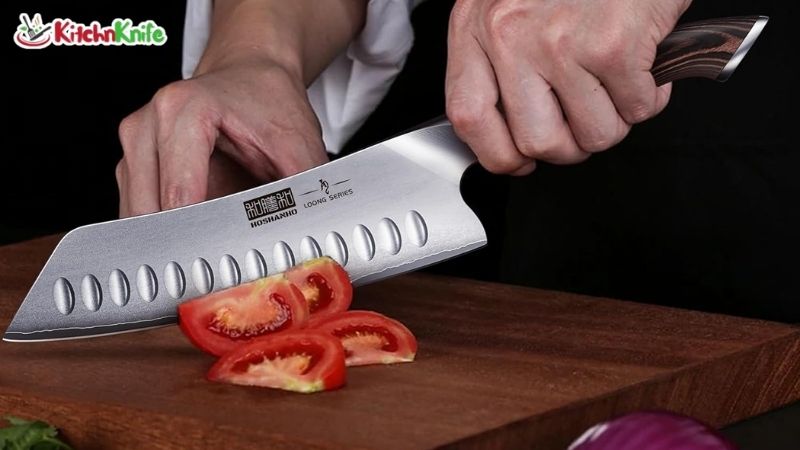
Sharp knives make cooking easier. They glide through tomatoes without crushing them. They slice meat into thin, even pieces.
The blade geometry matters too. Many high carbon stainless steel knives have thinner edges. Thin edges cut better than thick ones.
3. Better Rust Resistance Than Carbon Steel
High carbon stainless steel fights rust well. The chromium content creates a passive oxide layer. This layer protects the metal from moisture.
You can wash these knives with water. You do not need to oil them after every use. They work well in humid climates.
Some staining can still occur. Acidic foods like lemons may leave marks. But true rust rarely forms with basic care.
4. Strong and Durable Structure
These knives resist damage during normal use. The blade does not bend or warp easily. It maintains its shape over many years.
High carbon stainless steel handles impact well. The blade withstands contact with cutting boards. It resists minor bumps and drops.
Quality versions can last a lifetime. Many knife makers offer warranties. Some knives pass down through generations.
5. Versatile for Many Tasks
These knives work for various cutting jobs. You can prep vegetables with them. You can break down meat or fish.
They suit both professional and home kitchens. Chefs use them during long shifts. Home cooks rely on them for daily meals.
The same knife can mince garlic and carve roasts. This versatility reduces the need for multiple knives.
The Cons of High Carbon Stainless Steel Knives
1. Higher Purchase Price
Quality high carbon stainless steel knives cost more money. Good versions start around $100. Premium brands exceed $300 per knife.
The manufacturing process drives up costs. Creating the right carbon and chromium balance requires skill. Heat treatment adds expense.
Budget knives may use inferior steel. They will not perform as well. Spending more usually means better results.
2. More Difficult to Sharpen
Hard steel resists sharpening stones. You need patience and proper technique. Basic sharpeners may not work well.
Whetstones give the best results. But whetstones require practice. You must maintain the correct angle.
Professional sharpening services cost $10 to $20 per knife. Some people sharpen their knives twice per year. Others prefer doing it at home.
3. Risk of Chipping or Breaking
Very hard steel can be brittle. The blade may chip if you drop it. Cutting through bones can damage the edge.
You should avoid twisting the blade. Lateral pressure can cause breaks. Use proper cutting techniques always.
Chips require professional repair. You cannot fix them with simple sharpening. Prevention is better than repair.
4. Still Requires Regular Maintenance
These knives are not maintenance-free. You must hand wash and dry them. Dishwashers can damage the blade.
You should store them properly. Use a knife block or magnetic strip. Do not toss them in a drawer.
Some light staining may occur. Acidic foods can discolor the blade. Clean the knife right after use.
5. Heavier Weight
High carbon stainless steel knives often weigh more. The dense steel adds heft. Some people find this tiring.
Extended cutting sessions can strain your hand. The weight works well for some tasks. It helps when cutting tough items.
Lighter knives suit delicate work better. Consider the weight before buying.
Best Uses for High Carbon Stainless Steel Knives
These knives excel in professional kitchens. Chefs use them all day long. The edge retention saves sharpening time.
Home cooks who cook daily benefit too. You will prep food faster with a sharp knife. The quality improves your cooking experience.
Outdoor enthusiasts appreciate these knives. They work for camping and hunting. The rust resistance helps in damp conditions.
Food preparation tasks suit these knives best. Think slicing, dicing, and chopping. Avoid using them as screwdrivers or can openers.
How to Care for Your High Carbon Stainless Steel Knife
Daily Cleaning
Wash the knife by hand after each use. Use warm water and mild dish soap. Do not put it in the dishwasher.
Dry the blade completely with a soft cloth. Water spots can form if you air dry. Drying prevents any potential staining.
Clean the knife right after cutting acidic foods. Lemon juice and tomatoes can discolor the blade. Quick cleaning prevents stains.
Proper Storage
Store your knife in a knife block. The block protects the edge from damage. It also keeps the knife away from moisture.
Magnetic knife strips work well too. They hold knives securely on the wall. Make sure the magnet is strong enough.
Never store knives loose in a drawer. They will bang against other utensils. This dulls the edge quickly.
Sharpening Guidelines
Learn to use a whetstone properly. Start with a 1000-grit stone for regular maintenance. Use a 3000-grit stone for polishing.
Maintain a 15 to 20-degree angle. Consistency matters more than exact angles. Practice on an old knife first.
Sharpen your knife every few months. The exact timing depends on use. A dull knife is dangerous and frustrating.
Honing steels realign the edge between sharpenings. Use the honing steel before each cooking session. This maintains peak sharpness.
Who Should Buy High Carbon Stainless Steel Knives?
Professional chefs benefit most from these knives. The performance justifies the cost. Daily use makes the investment worthwhile.
Serious home cooks should consider them too. If you cook most days, you will notice the difference. The improved cutting experience enhances cooking.
People who value quality tools appreciate these knives. They represent a long-term investment. Good care makes them last decades.
Anyone wanting better food prep should explore these knives. They make cooking more enjoyable. Precision cutting improves dish presentation.
Who Should Skip High Carbon Stainless Steel Knives?
Occasional cooks may not need these knives. Basic stainless steel works fine for light use. The cost is hard to justify.
People on tight budgets should consider alternatives. Good quality costs money. Cheaper versions do not perform well.
Those who want zero maintenance should avoid these knives. They require hand washing and proper storage. Dishwasher-safe knives exist for convenience.
Anyone unwilling to learn sharpening may struggle. These knives need regular maintenance. Professional sharpening adds ongoing costs.
Frequently Asked Questions
What is the difference between high carbon stainless steel and regular stainless steel?
High carbon stainless steel contains more carbon than regular stainless steel. This makes the blade harder. It holds a sharp edge longer. Regular stainless steel is softer and dulls faster.
Do high carbon stainless steel knives rust?
High carbon stainless steel resists rust well. The chromium content protects the metal. But some staining can occur with acidic foods. Proper care prevents most rust issues.
How often should I sharpen a high carbon stainless steel knife?
Sharpen your knife every two to six months. The exact timing depends on use. Daily users need more frequent sharpening. Use a honing steel weekly to maintain the edge.
Are high carbon stainless steel knives worth the money?
These knives are worth it for regular cooks. They perform better than basic knives. They last longer with proper care. Occasional cooks may not benefit as much.
Can I put my high carbon stainless steel knife in the dishwasher?
Never put these knives in the dishwasher. The harsh detergent damages the blade. High heat can warp the handle. Always hand wash and dry your knife.
What foods should I avoid cutting with these knives?
Avoid cutting through bones with these knives. Do not use them to open cans or packages. Hard squash can chip the edge. Use the right tool for each job.
How do I remove stains from my knife blade?
Use a gentle abrasive cleaner for stains. Bar Keeper’s Friend works well. Rub gently with a soft cloth. Rinse and dry completely after cleaning.
What makes a high carbon stainless steel knife chip?
Dropping the knife can cause chips. Cutting through bones damages the edge. Twisting the blade creates stress. Using improper cutting techniques increases risk.
Making the Right Choice for Your Kitchen
High carbon stainless steel knives offer real benefits. They stay sharp longer than basic knives. They resist rust better than carbon steel knives.
But these benefits come with higher costs. The knives need proper care and maintenance. They require learning to sharpen correctly.
Consider your cooking habits before buying. Daily cooks benefit most from these knives. The performance improves over time.
Quality matters more than brand names. Look for knives with good steel composition. Check reviews from real users.
A good high carbon stainless steel knife changes your cooking. Prep work becomes faster and easier. The sharp edge makes clean cuts every time.
Start with one quality knife. Learn to care for it properly. You will understand why serious cooks prefer these tools.