
Last Updated on November 13, 2025 by Kathay Lee
How to Cook Pork on Stovetop: A Simple Guide to Juicy, Tender Results
Cooking pork on your stovetop is one of the easiest ways to get dinner on the table fast. I’ve been making stovetop pork for over 15 years, and I can tell you it beats any other method when you want quick, tasty results. Your kitchen will smell amazing, and your family will ask for seconds.
This guide will show you exactly how to cook different cuts of pork using just your stove. You’ll learn the tricks I use to get perfect pork chops, tender medallions, and juicy steaks every single time. No fancy equipment needed just a good pan and a few simple steps.
Why Stovetop Cooking Works So Well for Pork
Your stovetop gives you complete control over heat. You can sear meat quickly to lock in juices, then lower the heat to cook it through. This method works faster than your oven and gives you better control than grilling.
I love stovetop cooking because I can watch my pork as it cooks. You can adjust the heat instantly if something starts to burn. Plus, you can make a quick pan sauce right after cooking, using all those tasty brown bits stuck to the bottom.
Choosing the Right Pork Cut
Different cuts need different cooking methods. Here’s what works best on your stovetop:
Pork Chops These are my go-to choice. Bone-in chops stay juicier, but boneless ones cook faster. Look for chops that are about 1 inch thick. Thinner chops dry out too quickly.
Pork Tenderloin This lean cut cooks fast and feeds a crowd. I slice it into rounds called pork medallions. Each piece cooks in just 3 to 4 minutes per side.
Pork Steaks Cut from the shoulder, these have more fat and flavor. They’re perfect for braising. The fat melts as they cook, making them super tender.
What to Look For Pick pork with a pink color. Avoid meat that looks gray or has a strong smell. A little fat is good it adds flavor and keeps meat moist.
Getting Your Pork Ready to Cook
Good prep makes the difference between okay pork and amazing pork. Follow these steps every time:
Bring It to Room Temperature Take your pork out of the fridge 20 minutes before cooking. Cold meat doesn’t cook evenly. Room temperature pork gets a better crust and cooks more evenly inside.
Dry It Off Use paper towels to pat your pork completely dry. Wet meat steams instead of searing. You want that golden-brown crust, and you only get it on dry meat.
Season Well I keep my seasoning simple: salt, pepper, and garlic powder. Rub the seasoning on both sides. Salt helps create a crust and makes pork taste better. Don’t be shy with it.
Trim Carefully Leave some fat on chops about 1/4 inch. Too much fat causes flare-ups, but some fat adds flavor. For tenderloin, remove the silver skin (that shiny white membrane). It gets tough when cooked.
How to Make Perfect Pan-Seared Pork Chops
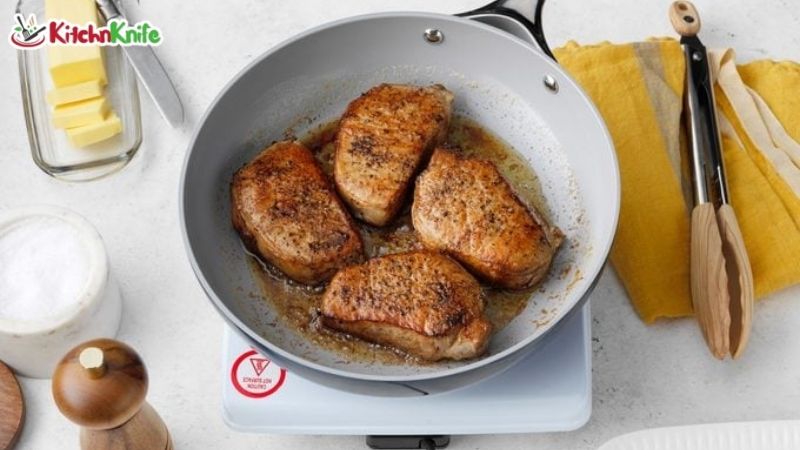
Pan-seared chops are crispy outside and juicy inside. This is my favorite way to cook them.
What You Need
- Heavy skillet (cast iron works best)
- Cooking oil with high smoke point
- Meat thermometer
- Tongs
Step by Step
Heat your pan over medium-high heat for 2 minutes. Add 2 tablespoons of oil. When the oil shimmers, it’s ready.
Place your chops in the pan. Don’t move them! Let them cook for 4 minutes. You’ll see the edges start to turn white about halfway up.
Flip the chops once. Cook for another 3 to 4 minutes. The internal temperature should reach 145°F.
Take the chops off the heat. Let them rest for 3 minutes on a plate. The temperature will rise a few more degrees as they rest.
The Secret to Great Crust
High heat and patience create that restaurant-quality crust. When you put chops in the pan, they’ll stick at first. That’s normal. After a minute, they’ll release on their own. If you try to flip them too early, you’ll tear the crust.
Cooking Pork Tenderloin and Medallions
Tenderloin is so tender it almost melts in your mouth. Here’s my foolproof method:
Slicing Your Tenderloin
Cut the tenderloin into rounds about 1 inch thick. These are your pork medallions. Each piece should look like a small steak. If one end is much thinner, save it for stir-fry.
The Cooking Process
Heat your pan to medium-high. Add oil and wait until it’s hot. Place medallions in the pan with space between each piece. Crowding makes them steam.
Cook for 3 minutes without touching them. Flip and cook 3 more minutes. The outside should be golden brown.
Temperature Matters
Pork tenderloin dries out fast if you overcook it. Use a meat thermometer. Pull it off heat at 140°F. It will reach 145°F as it rests. At this temperature, you might see a tiny bit of pink inside. That’s perfect not raw, just juicy.
Making It Special
After cooking, make a quick pan sauce. Remove the pork and add 1/2 cup of chicken broth to the hot pan. Scrape up the brown bits. Add a tablespoon of butter and let it bubble for 1 minute. Pour this sauce over your medallions.
Braised Pork Steak: Low and Slow
Braising turns tough cuts into tender, fall-apart meat. This method uses liquid and low heat.
Why Braise?
Pork steaks have connective tissue that gets tough with quick cooking. Slow cooking in liquid breaks down this tissue. The result is meat that shreds with a fork.
The Method
Season your pork steaks well. Brown them in a hot pan for 2 minutes per side. This step adds flavor.
Add liquid to the pan chicken broth, apple juice, or even beer works great. The liquid should come halfway up the sides of the meat.
Lower the heat to low. Cover the pan with a lid. Let it simmer gently for 45 minutes to 1 hour. Check occasionally and add more liquid if needed.
Flavor Building
Add onions, garlic, or herbs to your braising liquid. These flavors soak into the meat as it cooks. For BBQ-style pork, add your favorite BBQ sauce during the last 15 minutes.
Expert Tips for Stovetop Pork Success
After cooking thousands of pork meals, these tips never fail me:
Don’t Overcook Pork used to need cooking to 160°F. Modern pork is safe at 145°F. This lower temperature keeps meat juicy. Always use a thermometer guessing leads to dry pork.
Flip Only Once Every time you flip meat, you lose heat. One flip is enough for chops and medallions. More flipping means less crust and longer cooking time.
Let It Rest This step is crucial. Resting lets juices spread back through the meat. Cut into pork too soon, and all those juices run out onto your cutting board instead of staying in the meat.
Use the Right Heat Start with high heat to sear. Lower the heat if things start smoking or burning. Medium heat works for thicker cuts. Low heat is for braising only.
Deglaze for Sauce Those brown bits stuck to your pan are pure flavor. Add liquid, scrape them up, and you have an instant sauce. This trick makes you look like a professional chef.
Making Your Pork Meal Complete
Great pork deserves great sides. Here are my favorite combinations:
Classic Pairings Mashed potatoes soak up pan juices perfectly. Roasted vegetables add color and nutrition. A simple green salad cuts through rich meat.
BBQ Style Serve your pork with coleslaw and cornbread for a Southern-style meal. Baked beans and potato salad work great too.
Quick Weeknight Options Rice cooks while you make pork. Frozen vegetables steam in minutes. Dinner can be ready in 30 minutes total.
Sauce Ideas Apple sauce is classic with pork. Mushroom gravy adds richness. For chops, try mustard sauce—mix Dijon mustard with cream and pour over the top.
Common Questions About Cooking Pork
How do I know when pork is done? Use a meat thermometer. Insert it into the thickest part. When it reads 145°F, your pork is done. The outside might still look slightly pink, but that’s safe and juicy.
Why is my pork tough? You likely overcooked it. Pork gets tough when cooked past 150°F. It can also be tough if you didn’t let it rest before cutting.
Can I cook frozen pork on the stovetop? Never cook frozen pork. It won’t cook evenly. The outside burns before the inside thaws. Always thaw pork in the fridge overnight.
What’s the best pan for pork? Cast iron holds heat best and creates great crust. Stainless steel works well too. Avoid nonstick pans for high-heat searing—they can’t get hot enough.
How thick should my pork chops be? One inch thick is ideal. Thinner chops cook so fast they dry out. Thicker chops take too long and the outside overcooks before the inside is done.
Should I cover the pan while cooking? Not for searing. Cover only when braising. A lid traps steam, which prevents browning.
Your Path to Perfect Stovetop Pork
You now have everything you need to cook amazing pork on your stovetop. Start with pork chops if you’re new to this. They’re forgiving and cook fast. Once you master the basic technique, try pork tenderloin medallions or braised pork steak.
The key is simple: hot pan, dry meat, good seasoning, and don’t overcook. Follow these rules and you’ll serve tender, juicy pork every time. Your family will think you went to cooking school.