
Last Updated on December 12, 2025 by Kathay Lee
How to Cut Leeks: The Complete Guide for Home Cooks
Leeks add a mild, sweet flavor to many dishes. But if you have never worked with this vegetable before, you might feel confused about the right way to prepare it. Learning how to cut leeks is a basic skill that will help you cook better meals. This guide will show you each step in a clear and simple way.
What Makes Leeks Special
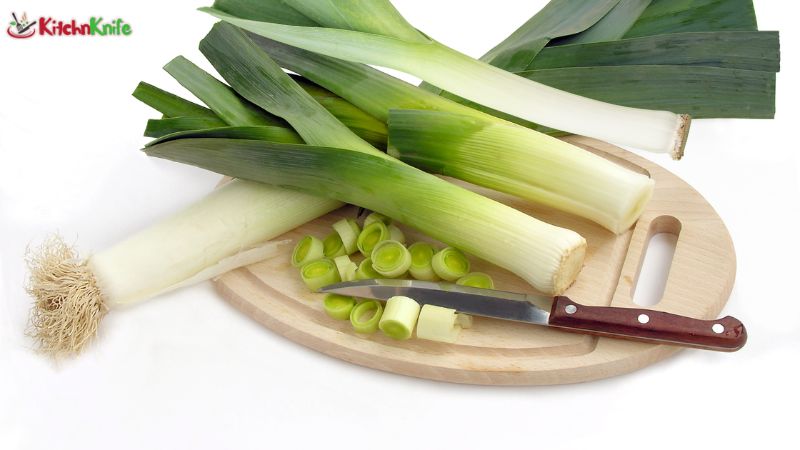
The leek vegetable looks like a large green onion. It has white and light green parts at the bottom and dark green leaves at the top. Unlike regular onions, leeks have a gentler taste. They work well in soups, pies, and many other dishes.
Many home cooks avoid leeks because they seem hard to clean. Dirt hides between the layers. But with the right method, you can clean and cut leeks quickly. Once you learn the process, you will want to use them more often.
Getting Ready: What You Need
Before you start, gather these simple tools:
- A sharp knife
- A clean cutting board
- A large bowl
- Cold water
- Paper towels or a clean cloth
Good knife skills make this job easier. A sharp blade cuts through the leek cleanly. A dull knife can crush the layers and make your work harder.
Step One: Trim the Leek
Place your leek on the cutting board. Look at both ends. The root end has brown, hairy bits. Cut this part off with your knife. Remove about half an inch from the bottom.
Now look at the top. The dark green leek leaves are tough and bitter. Most recipes use only the white and light green parts. Cut off the dark green section. You can save these leaves for making stock if you want.
Step Two: Make Your First Cut
Decide how you want to cut your leek. The method depends on your recipe. Here are the main ways:
Cutting Into Rounds
This is the most common method for soup and many other dishes. Hold the leek steady on your cutting board. Slice straight across to make circles. These rounds can be thick or thin based on what you need. For most soups, cuts about a quarter inch thick work well.
Slicing Lengthwise
Some recipes call for long strips. To cut this way, lay the leek flat. Slice down the middle from top to bottom. You now have two halves. If you want thinner strips, cut each half again lengthwise.
Dicing for Pie and Other Dishes
When you need small pieces for a leek pie or similar recipe, start with lengthwise cuts. Make several cuts down the length of the leek. Then turn it and slice across. This gives you small, even pieces.
Step Three: The Important Cleaning Process
Here is the key step many people skip. Leeks grow in sandy soil. Dirt gets trapped between the layers. You must wash leeks after cutting them.
Put your cut leeks in a large bowl. Fill it with cold water. Swish the pieces around with your hands. Let them sit for a few minutes. The dirt will sink to the bottom. The clean leek pieces will float.
Lift the leeks out with your hands or a strainer. Do not pour the water out with the leeks in it. That would put the dirt back on them. Check the bottom of the bowl. If you see a lot of sand, repeat the washing process.
After washing, dry your leeks. Spread them on paper towels or a clean cloth. Pat them gently. Wet leeks can make your pan splatter when you cook.
How to Cut Leeks for Different Recipes
The way you prepare leeks changes based on what you plan to cook.
For Soup
Soups need leeks cut into rounds. After you wash leeks, they go right into your pot. The circles cook evenly and look nice in the bowl. Cut them about a quarter inch thick. This size works for most vegetable soups.
For Pie
A leek pie needs small, even pieces. Cut your leek lengthwise first. Then make thin slices across. You want pieces about the size of a pea. These will spread evenly in your pie filling.
For Braised Leeks
Braised leeks are cooked slowly until soft. For this dish, cut larger pieces. Slice the leek in half lengthwise only. Leave each half long. This lets the leek keep its shape while cooking.
For Stir-Fries
Quick cooking needs thin cuts. Slice your leek into thin rounds or strips. The thinner pieces will cook fast in your hot pan.
Expert Tips for Perfect Results
Follow these tips to make your prep work easier:
Start with fresh leeks. Look for firm white parts and crisp green leaves. Soft or slimy leeks are old.
Keep your knife sharp. This makes clean cuts and keeps you safe. A dull blade requires more pressure and can slip.
Cut all pieces the same size. Even cuts cook at the same rate. Your dish will turn out better.
Do not skip the cleaning step. Sandy leeks will ruin your meal. Always wash after cutting.
Use the whole leek when you can. The light green parts have good flavor. Only the very dark green tops are too tough.
Storing Cut Leeks
Sometimes you want to prep leeks ahead of time. After you clean and dry them, put them in a container. They will keep in your fridge for three to four days.
You can also freeze leeks. Spread the clean, dry pieces on a tray. Freeze them until solid. Then move them to a freezer bag. Frozen leeks work great in cooked dishes. They will last up to three months.
Common Mistakes to Avoid
Do not wash before cutting. This makes them slippery and hard to cut safely. Always cut first, then wash.
Do not use dull knives. They crush the layers instead of slicing cleanly.
Do not skip drying. Wet leeks will not brown properly when you cook them.
Do not throw away the green tops. Save them for stock or compost.
Simple Leek Recipes to Try
Now that you know how to cut leeks, try these easy dishes:
Make a classic potato leek soup. Cook sliced leeks in butter. Add potatoes and broth. Blend until smooth.
Add leeks to your next stir-fry. They cook quickly and add mild onion flavor.
Try braised leeks as a side dish. Cook halved leeks in broth and butter until tender.
Mix diced leeks into quiche or frittata. They add flavor without overpowering other ingredients.
Building Your Knife Skills
Working with leeks helps you practice good knife skills. The same techniques work for other vegetables too. Onions, scallions, and shallots all use similar cutting methods.
Take your time when you first learn. Speed comes with practice. Focus on making even cuts and keeping your fingers safe.
Why Leeks Deserve a Place in Your Kitchen
This vegetable brings a sweet, mild taste to your cooking. It works in simple weeknight meals and fancy dinner parties. Once you master how to cut leeks, you will reach for them often.
They cook down to a soft, sweet mixture. This makes them perfect for soup bases. They also add depth to sauces and stews. The gentle flavor works with almost any cuisine.
Frequently Asked Questions
Do I need to wash leeks before or after cutting?
Always cut first, then wash. Cutting exposes the layers where dirt hides. Washing after cutting removes all the sand and soil.
Can I eat the green parts of leeks?
The light green parts are tender and tasty. Use them in any recipe. The dark green tops are tough. Save them for making vegetable stock.
What is the best way to store fresh leeks?
Keep whole, unwashed leeks in your fridge. They stay fresh for up to two weeks. Store them in the vegetable drawer in a plastic bag.
How thin should I slice leeks for soup?
Cut rounds about a quarter inch thick. This size cooks evenly and looks good in the bowl. For a smoother soup, cut them thinner.
Can I use leeks instead of onions in recipes?
Yes, but the flavor will be milder. Use about the same amount. Leeks work especially well in dishes where you want a gentle onion taste.
Why do my leeks still have grit after washing once?
Leeks can be very sandy. Always check the bottom of your washing bowl. If you see dirt, wash them again. Some leeks need two or three rinses.
Final Thoughts
Learning how to cut leeks opens up new cooking possibilities. This simple vegetable adds flavor and nutrition to many dishes. The process takes just a few minutes once you know the steps.
Remember the key points: trim the ends, cut to your desired shape, and wash thoroughly. These three steps ensure clean, ready-to-cook leeks every time.
Start with a basic recipe like soup. As you gain confidence, try more complex dishes. Before long, cutting and preparing leeks will feel like second nature.
Keep practicing your knife skills. Each time you prepare leeks, you get faster and more confident. Soon you will wonder why you ever felt nervous about this friendly vegetable.