
Last Updated on December 13, 2025 by Kathay Lee
Master This Essential Seafood Skill Today
Do you love shrimp but feel nervous about preparing it? You’re not alone. Many home cooks skip buying whole shrimp because peeling and deveining seems hard. But here’s the truth: it’s easier than you think.
Learning how to peel and devein shrimp saves you money. Whole shrimp costs less than pre-cleaned options. Plus, you get fresher seafood with better taste. Shell-on shrimp stays juicier during cooking too.
This guide will show you every step. You’ll learn the fastest methods. You’ll understand what that dark line really is. And you’ll gain confidence to tackle any shrimp recipe.
Let’s turn you into a shrimp prep expert.
What You Need to Know About Shrimp Parts
Before you start peeling, understand what you’re working with.
The Main Parts:
- Shell: The hard outer covering
- Head: The front section (sometimes removed before sale)
- Tail: The fan-shaped end piece
- Legs: Small appendages along the belly
- Vein: The dark digestive tract
The shrimp vein runs along the back. It’s actually the digestive tract. Some people call it shrimp poop, which is technically correct. This vein can contain grit and sand.
Raw shrimp looks gray or translucent. Cooked shrimp turns pink or white. You can devein both types, but raw works better.
The size matters too. Jumbo shrimp has a thicker, more visible vein. Smaller shrimp may have veins you can barely see.
Picking the Best Shrimp at the Store
Your prep work starts at the seafood counter.
Fresh shrimp should smell like the ocean, not fishy. Look for firm texture and shiny shells. Avoid black spots or slimy coating.
Frozen shrimp is often fresher than “fresh” options. Most shrimp gets frozen on the boat. Thaw it in cold water for best results.
Choose whole shrimp with shells on. You’ll pay less per pound. The shells add flavor to stocks and dishes too.
For beginners, medium to jumbo sizes work best. You can see the vein clearly. Your fingers have room to work.
Check if the shrimp head is still attached. Some markets sell headless shrimp. Either type works fine. Heads add flavor to broths if you save them.
Gather Your Simple Tools
You don’t need fancy equipment. Here’s what helps:
- Sharp paring knife
- Cutting board
- Bowl of cold water
- Paper towels
- Optional: deveining tool
That’s it. A deveining tool looks like a small plastic hook. It helps, but your knife works just as well.
Keep everything clean. Seafood requires good hygiene practices.
How to Peel Shrimp in Five Easy Steps
Now for the main event. Follow these steps for perfect results.
Step 1: Hold the Shrimp Firmly
Grab the shrimp with one hand. Hold it belly-side up. Use your other hand to work the shell.
Step 2: Remove the Head (If Present)
Twist and pull the shrimp head off. It should come away easily. Save heads for making stock.
Step 3: Peel the Shell Starting from the Legs
Find where the legs attach. Pull the shell segments away from the body. Start at the head end and work toward the tail.
The shell should come off in pieces. Peel around the entire body. Work gently to keep the meat intact.
Step 4: Decide About the Tail
Many shrimp recipes look better with tails on. They give you something to hold when eating. For dishes like pasta or rice, remove the tail completely.
To remove it, pinch the tail and pull. The meat should slide out.
Step 5: Rinse Under Cold Water
Give each peeled shrimp a quick rinse. This removes any shell fragments. Pat dry with paper towels.
How to Devein Shrimp: The Complete Method
The vein removal takes practice. But you’ll get faster with each shrimp.
Locate the Dark Line
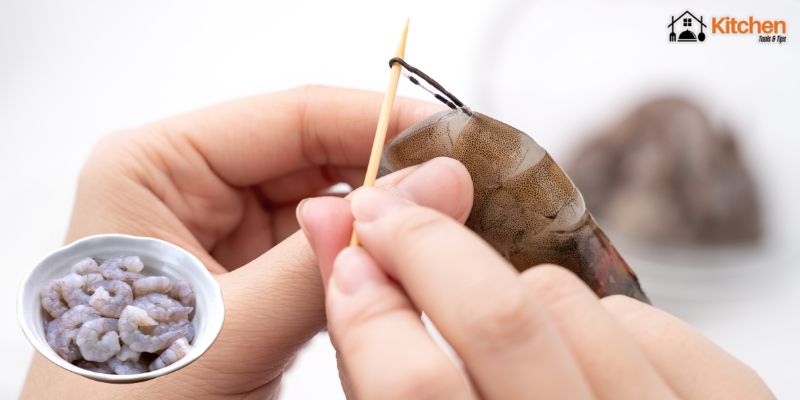
Look at the curved back of the shrimp. You’ll see a dark line running from head to tail. That’s the shrimp vein. On jumbo shrimp, it’s very obvious.
Sometimes the vein is barely visible. Light-colored shrimp may have clear veins. They’re still there.
Make a Shallow Cut
Use your paring knife to cut along the back. Go about 1/4 inch deep. Follow the curve of the shrimp.
Don’t cut too deep. You want to expose the vein without splitting the shrimp in half.
Pull Out the Vein
Use the knife tip to lift the vein. Grab it with your fingers and pull gently. It should come out in one piece.
Some veins break. That’s okay. Just remove what you can see.
Check the Belly Side
Flip the shrimp over. Some larger shrimp have a second, smaller vein on the belly. Remove it the same way if you see it.
Rinse Again
Run the deveined shrimp under cold water. This flushes out any remaining grit. Your shrimp is now ready for cooking.
What About Eating That Vein?
Let’s address the big question: can you eat shrimp poop?
Technically, yes. The vein won’t harm you. But here’s why most people remove it:
- Gritty texture ruins the smooth shrimp meat
- Sandy taste affects your dish
- Visual appearance looks unappealing
- Larger veins can taste bitter
For small shrimp, many cooks skip deveining. The vein is tiny and harmless. On jumbo shrimp or fresh shrimp, always devein for best quality.
If you’re making shrimp stock or eating whole shrimp with shells, the vein matters less. The shells get removed anyway.
Cooked shrimp can be deveined too. Make your shallow cut on the already-pink shrimp. The vein comes out the same way.
Quick Tips for Different Situations
Working with Frozen Shrimp
Thaw frozen shrimp in the refrigerator overnight. Or place in a bowl of cold water for 15 minutes. Never use hot water, which starts cooking the edges.
Frozen shrimp often comes pre-peeled. Check the package. You might only need to devein.
Handling Jumbo Shrimp
Larger shrimp takes more time but follows the same steps. The bigger size makes everything easier to see.
Jumbo shrimp has thicker shells. Pull firmly but gently. The meat is more expensive, so work carefully.
Preparing for Specific Recipes
Some shrimp recipes need different prep:
- Grilled shrimp: Leave tail on for handling
- Shrimp scampi: Tail on looks elegant
- Shrimp salad: Remove everything for easy eating
- Fried shrimp: Butterfly the back while deveining
Storing Your Prepared Shrimp
After all that work, store properly.
Place cleaned shrimp in an airtight container. Add ice or ice packs. Store in the coldest part of your fridge.
Use within 24 hours for best quality. Fresh shrimp and raw shrimp spoil quickly.
For longer storage, freeze in a single layer. Then transfer to freezer bags. Label with the date.
Never refreeze thawed shrimp. This ruins the texture and creates food safety risks.
Your Seafood Success Starts Here
You now know how to peel and devein shrimp like a professional. This skill opens up countless shrimp recipes. You’ll save money at the store. You’ll enjoy better-tasting seafood at home.
Start with a small batch. Practice makes perfect. Soon you’ll prep a pound of shrimp in under 10 minutes.
The key points to remember:
- Choose quality whole shrimp
- Peel from legs to tail
- Make a shallow back cut
- Remove the vein completely
- Rinse and pat dry
Next time you see fresh shrimp or frozen shrimp on sale, grab them confidently. You’ve got this skill mastered.
Happy cooking!
Frequently Asked Questions
Do I have to remove the shrimp vein?
No, but you should. The vein can contain grit and sand. It affects taste and texture, especially in jumbo shrimp. Small shrimp veins are less noticeable.
Can I devein shrimp without peeling?
Yes. Use kitchen scissors to cut the shell along the back. Pull the vein out through the opening. This keeps the shell on for grilling or boiling.
Is the black line always visible?
Not always. Some shrimp have clear or light veins. They’re still there. Make your cut along the back and check. You’ll usually find something to remove.
What’s the fastest way to peel lots of shrimp?
Set up an assembly line. Peel all shrimp first. Then devein all of them. Working in batches saves time. You’ll develop a rhythm.
Should I remove the tail?
It depends on your recipe. Keep tails on for presentation dishes. Remove them for salads, pasta, or any recipe where people eat with a fork.