
Last Updated on February 23, 2026 by Erin Jahan Eva
How to Use a Citrus Zester: The Complete Guide
Introduction
You want bold flavor in your recipe. A citrus zester gives you just that.
Zest is the outer layer of any citrus fruit. It holds natural oils. These oils carry a deep, bright flavor. You do not get this from the juice alone.
Lemon zest, orange zest, and lime zest can transform a dish. They add life to baked goods, marinades, drinks, and sauces.
But if you have never used a zester tool before, it can feel confusing. Which tool do you use? How hard do you press? How much is too much?
This guide answers all of that. You will learn how to use every type of zester. You will also learn what to avoid so you get clean, flavorful zest every single time.
Types of Zesters and Zesting Tools
There is no one-size-fits-all tool here. Each tool gives a slightly different result.
Zester tool (classic style) This is a small handheld tool. It has a metal head with small holes. It strips thin ribbons of zest from the fruit. It is simple and easy to control.
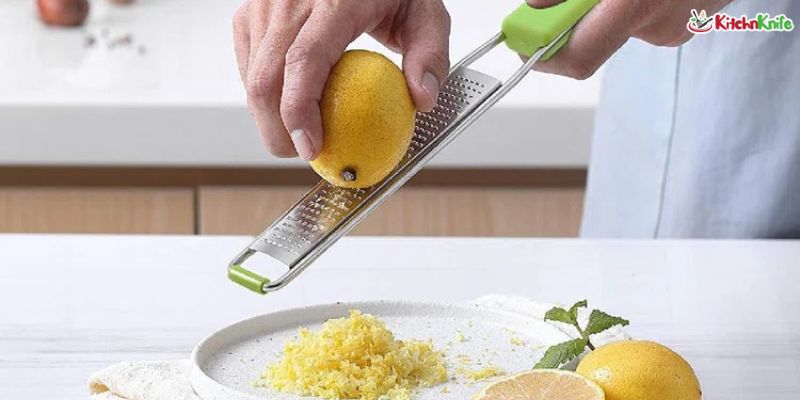
Microplane A microplane is a long, flat grater with very fine teeth. It creates fluffy, fine zest. Many professional cooks prefer this tool. It works fast and gives consistent results.
Channel knife A channel knife has a small notched blade. It cuts a single, long strip of lemon peel. You use this more for garnishes than cooking.
Citrus peeler A citrus peeler removes larger sections of peel. You then slice or chop the peel into smaller pieces. It is less precise but useful in a pinch.
Cheese grater (zester grater) A standard cheese grater has a fine side. You can use this as a zester grater if needed. It is not the best option, but it works when you have no other tool.
Knife A sharp knife can remove peel. You then scrape away the white pith and chop the outer skin. It takes more skill and time.
How to Choose the Right Citrus Fruit
The fruit matters just as much as the tool.
Always pick fruit that feels heavy for its size. This means it is full of juice and has thick, oily skin. The outer skin should look bright and vibrant.
Best fruits for zesting:
- Lemons (most popular for lemon zest)
- Limes
- Oranges
- Grapefruits
- Blood oranges
Choose organic fruit when possible. The skin is what you are eating. Non-organic fruit may have wax or pesticide residue on the peel. Wash all fruit well before zesting. Use warm water and a firm brush.
Step-by-Step: How to Use a Zester Tool
The classic zester tool is a great starting point for beginners.
What you need:
- A zester tool
- One citrus fruit
- A cutting board or bowl
Steps:
- Wash and dry your fruit completely.
- Hold the fruit in your non-dominant hand.
- Place the zester holes against the top of the fruit.
- Press gently and drag the tool downward in one smooth motion.
- You will see thin strips of citrus zest come through the holes.
- Rotate the fruit and repeat.
- Stop when you see the white layer beneath. That is the pith. It tastes bitter.
- Collect your zest from the tool using a small brush or knife.
That is all it takes. You do not need to press hard. Light, even pressure is best.
How to Use a Microplane for Zesting
The microplane is the most popular tool in modern kitchens. It creates the finest, most aromatic citrus zest.
Steps:
- Wash and dry your citrus fruit.
- Hold the microplane over a bowl or cutting board.
- Place the fruit against the fine teeth at the top of the blade.
- Push the fruit downward in one smooth stroke.
- Lift the fruit and reposition at the top.
- Repeat, rotating the fruit each time.
- Stop as soon as you see white pith.
The zest that falls through is light and fluffy. It spreads easily into batters, creams, and sauces.
Pro tip: Tap the microplane on the edge of your bowl. Zest clings to the back side of the grater. Do not waste it.
How to Use a Knife or Channel knife for Zest
Sometimes you want longer strips of lemon peel. A knife or channel knife gives you that.
Using a channel knife:
- Hold your fruit firmly.
- Press the notched blade into the skin at the top.
- Pull it down in a long, steady motion.
- You will get one long, curling strip of peel.
- This strip works great as a cocktail garnish or dessert decoration.
Using a regular knife:
- Slice off a section of peel with a knife.
- Lay the peel flat on your cutting board, skin side down.
- Slide the knife between the white pith and the outer skin.
- Remove the pith completely.
- Chop the outer skin into fine pieces. This becomes your citrus zest.
This method takes more time. But it works well when you need large amounts of zest.
How to Use a Cheese Grater as a Zester Grater
You do not always have the perfect tool on hand. A cheese grater works fine as a zester grater.
Use the finest side of the grater. This is the side with the smallest holes.
Steps:
- Wash and dry your fruit.
- Hold the grater over a bowl.
- Rub the fruit downward across the fine teeth.
- Use short, controlled strokes.
- Rotate the fruit often.
- Avoid the white pith layer.
The zest you get from a cheese grater is slightly coarser than microplane zest. It still works well in most recipes.
Tips for Getting the Most Zest
Small habits make a big difference when zesting.
- Chill your fruit first. Cold fruit is firmer. It is easier to zest without slipping.
- Zest before juicing. Once you cut the fruit, it becomes hard to hold and zest safely.
- Use a light touch. You only want the outer skin. The white pith is bitter.
- Rotate constantly. Zest all sides evenly. Do not go over the same spot twice.
- Zest over the recipe. The natural oils that spray off carry a lot of flavor. Do not let them go to waste.
- Use a damp paper towel. Wipe your microplane or zester tool between fruits for cleaner zest.
How to Store Citrus Zest
Fresh zest is best used right away. But you can store it.
Short-term storage: Place the zest in an airtight container. Store it in the fridge for up to three days.
Long-term storage: Spread the zest on a baking sheet. Freeze it for one hour. Then transfer it to a freezer bag. It keeps well for up to six months.
You can also dry citrus zest. Spread it on a sheet and leave it at room temperature for two to three days. Store dried zest in a sealed jar. Use it in teas, spice blends, and dry rubs.
Common Mistakes to Avoid
Even experienced cooks make these errors. Watch out for them.
Zesting into the pith: The white layer under the outer skin is bitter. Always stop before you reach it.
Using dull tools: A dull zester grater or microplane tears the skin instead of shaving it cleanly. Keep your tools sharp.
Not washing the fruit: Wax, pesticides, and dirt sit on the peel. Always wash before you zest.
Skipping the zest entirely: Many recipes call for zest for a reason. Leaving it out removes depth and brightness from the dish.
Gripping the fruit too hard: This can cause the fruit to burst or slip. Hold it firmly but gently.
FAQs
Q: What is the difference between lemon zest and lemon peel? Lemon zest is the finely grated outer skin. Lemon peel includes the pith as well. Zest is purely the flavorful outer layer.
Q: Can I use a citrus peeler instead of a microplane? Yes. A citrus peeler removes the skin in larger pieces. You then chop it finely to use as zest. It works but takes more effort.
Q: What if I do not have a zester tool? Use a microplane, cheese grater, channel knife, or a regular sharp knife. All of these can create citrus zest.
Q: How much zest does one lemon give? One medium lemon gives about one tablespoon of zest.
Q: Is zesting the same as peeling? No. Zesting removes only the thin, flavorful outer skin. Peeling removes larger sections that may include the bitter white pith.
Q: Can I zest a lime the same way I zest a lemon? Yes. The technique is exactly the same. Use any zester tool and avoid the white pith.
Conclusion
A citrus zester is one of the most useful tools in your kitchen. It unlocks deep, natural flavor from every citrus fruit you use.
Start with a microplane or zester tool. Keep your movements light and steady. Stop before the pith. Rotate the fruit often.
Once you learn the basics, zesting becomes second nature. You will start adding lemon zest, orange zest, and lime zest to everything. And your food will taste better for it.