
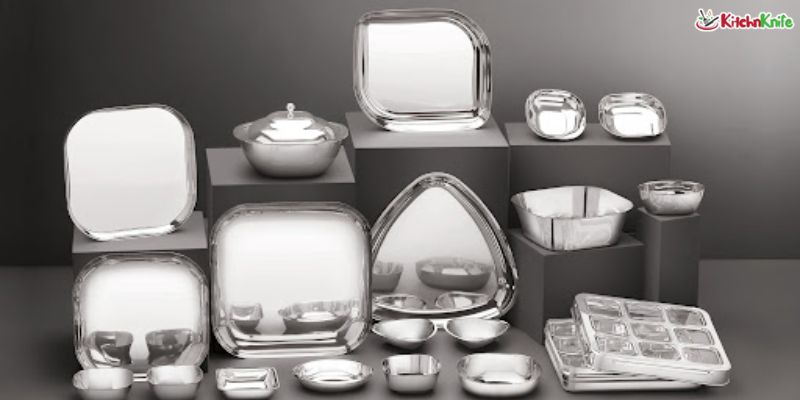
Is Stainless Steel Dinnerware Safe for Eating?
If you’ve ever asked this question, you are not alone. Many people want to know if the plates and spoons in their kitchen are truly safe.
The short answer is yes. Stainless steel dinnerware is one of the safest choices you can make. But there are a few things you should know before buying.
This guide covers everything clearly and simply.
What Is Stainless Steel?
Stainless steel is a metal alloy. It is made mostly from iron. It also contains chromium and, in many cases, nickel.
The chromium in the steel creates a thin protective layer. This layer stops the metal from rusting. It also keeps food from touching the raw metal directly.
This is what makes stainless steel so popular for cookware, flatware, and dinnerware.
Is Stainless Steel Non Toxic?
Yes. High-quality stainless steel is considered non toxic. It does not contain lead, cadmium, or BPA.
These are the three main harmful substances found in other types of dinnerware like some ceramic plates or plastic dishes.
With stainless steel, you don’t have to worry about toxic chemicals leaching into your food under normal use. That is one reason it is one of the safest dinnerware options available today.
Understanding Stainless Steel Grades
Not all stainless steel is the same. The grade matters a lot.
The most common grades used in dinnerware and flatware are:
- Grade 18/10 This means 18% chromium and 10% nickel. It is the highest quality. It is very durable and very resistant to rust and corrosion.
- Grade 18/8 Very similar to 18/10. Also a safe, high-quality option.
- Grade 18/0 This contains no nickel. It is a good choice if you have a nickel sensitivity.
When buying a flatware set, always check the grade. Look for 18/10 or 18/8 stamped on the packaging. These grades are the gold standard for food safety.
Is Stainless Steel Safe for a Baby?
Yes. Stainless steel is one of the best materials for baby dishes.
Babies put everything in their mouths. That means the material of their plates and spoons matters more than ever.
A stainless steel spoon for a baby is safe and free from harmful chemicals. It will not leach toxins into food. It is also very easy to clean.
Many parents in South Asia and Southeast Asia have used stainless steel thali sets and baby dishes for generations. This is not a new trend. It is a time-tested tradition.
When choosing dishes for a baby, look for smooth edges and food-grade 18/8 or 18/10 stainless steel. Avoid any dishes with painted designs, as the paint could chip or peel.
Stainless Steel vs. Ceramic Dinnerware
Many people compare stainless steel to ceramic dinnerware. Both have their pros and cons.
Ceramic plates can contain lead in the glaze, especially vintage or imported ones. Stainless steel does not have this problem when it is properly made.
Ceramic dinnerware is heavier and can crack or chip. Stainless steel is lighter and nearly indestructible.
On the other hand, ceramic plates are better for serving food hot at the table. Stainless steel conducts heat and can become warm to the touch.
For daily safety and durability, stainless steel wins. For aesthetic appeal, many people prefer ceramic.
Is Stainless Steel Dishwasher Safe?
Yes. Most stainless steel dinnerware is fully dishwasher safe.
This is a big advantage over some other materials. You can toss your plates bowls and flatware in the dishwasher and not worry about damage.
A few tips to keep your stainless steel in great shape:
- Do not leave stainless steel soaking in water for a long time.
- Avoid using harsh chlorine bleach cleaners on it.
- Dry your dishes promptly after washing to prevent water spots.
- Do not put stainless steel items next to silver or other metals in the dishwasher. Different metals can react and cause discoloration.
Follow these simple steps and your stainless steel dishes will last for decades.
Stainless Steel for Kids: Is It a Good Choice?
Absolutely. Stainless steel is one of the top choices for kids and their meals.
Children drop things. They bang their plates on the table. They put forks and spoons in places they should not. Stainless steel survives all of this.
It does not break like glass or ceramic plates. It does not absorb stains or odors. And it is completely safe no harmful chemicals, no lead, no BPA.
A stainless steel flatware set designed for kids is easy to hold and wash. Look for sets with smaller spoon and fork sizes made specifically for children’s hands.
Many parents also use stainless steel plates bowls for everyday family meals. The whole family can eat safely from the same type of dish.
The Stainless Steel Thali: A Classic for Good Reason
The thali is a traditional round plate used widely across South Asia. It has been used for hundreds of years.
A thali holds multiple small portions of food at once. It is the centerpiece of a traditional meal in India and neighboring countries.
Stainless steel thalis are a great example of safe, durable, and practical dinnerware. They are easy to clean, do not absorb flavors, and can last a lifetime.
If you are looking for a safe and traditional option for everyday eating, a stainless steel thali is an excellent choice.
Stainless Steel as a Camping Plate
Stainless steel is also a top pick for outdoor use. A stainless steel camping plate is lightweight, nearly unbreakable, and very easy to clean.
Unlike plastic camping dishes, stainless steel does not leach chemicals when exposed to heat or sun. This is a real concern with plastic items left in a hot car or bag.
A good stainless steel camping plate will last for many camping trips. It can handle rough conditions and still look great.
What About Nickel Sensitivity?
This is the one caution worth knowing. Some people are sensitive or allergic to nickel.
Grades 18/10 and 18/8 contain nickel. If you have a confirmed nickel allergy, regular contact with these grades might cause a mild skin reaction.
The good news is that nickel leaching from stainless steel into food is generally very low. Studies show the amount is well within safe limits for most people.
But if you are concerned, choose Grade 18/0 stainless steel. This grade contains no nickel at all. You get all the safety benefits without the allergy risk.
Can Stainless Steel Leach Metals Into Food?
Under normal conditions, the answer is no or very, very little.
Some studies show that stainless steel can release tiny amounts of iron, chromium, or nickel when it comes into contact with very acidic foods. Foods like tomatoes, citrus juice, or vinegar-based dishes are the main ones.
However, the amounts released are extremely small. Health agencies around the world, including the FDA and WHO, consider stainless steel safe for food contact.
One thing to avoid is storing very acidic foods in stainless steel containers for long periods. Use a glass or ceramic container for marinating food overnight in citrus or vinegar sauces.
For regular meals and everyday use, stainless steel is perfectly safe.
Stainless Steel vs. Silicone for Baby Dishes
Some parents ask about silicone dishes compared to stainless steel for babies and young children.
Both are safe choices. Silicone is flexible and soft. It does not shatter. It is also free from BPA and lead.
Stainless steel is harder but more durable in the long run. It will not stain or retain odors the way silicone can over time.
For very young babies who are just starting solids, silicone spoons are gentle on gums. As children grow, stainless steel flatware becomes the better long-term choice.
Many parents use both silicone for very early feeding and stainless steel for everyday meals as kids grow up.
Haware and Other Stainless Steel Brands: What to Look For
Haware is a well-known brand in the stainless steel kitchenware space, popular in South Asian markets. It offers a wide range of thali sets, bowls, and storage containers.
When buying any brand of stainless steel dinnerware, look for these things:
- Clearly marked grade (18/10 or 18/8 is best)
- Smooth, polished edges with no rough spots
- Made by a reputable manufacturer
- No painted or decorative coatings on food-contact surfaces
- Heavy gauge steel (thicker is generally better)
Avoid very cheap, unbranded stainless steel from unknown sources. Poor-quality steel may not meet food safety standards.
Tips for Choosing the Safest Stainless Steel Dinnerware
Use this simple checklist when shopping:
- Choose 18/10 or 18/8 grade for the best quality
- Go for plain, uncoated surfaces on food-contact areas
- Pick smooth edges, especially for kids and babies
- Check that the brand provides material information
- Avoid dishes with non-stainless coatings or painted designs on the inside
- Look for “food grade” or “FDA approved” on the label
FAQs
Q: Is stainless steel dinnerware safe for everyday use? Yes. High-quality stainless steel dinnerware is completely safe for everyday eating. It does not contain lead, cadmium, or BPA. It is one of the most trusted materials for food contact worldwide.
Q: Is stainless steel safe for a baby or toddler? Yes. A stainless steel spoon, bowl, or plate is a safe and smart choice for babies and toddlers. Look for smooth edges and food-grade 18/8 or 18/10 steel. Stainless steel is free from harmful chemicals and very easy to clean.
Q: Can I put stainless steel dishes in the dishwasher? Yes. Most stainless steel dinnerware is dishwasher safe. Just avoid prolonged contact with chlorine bleach or mixing with other metals in the dishwasher.