
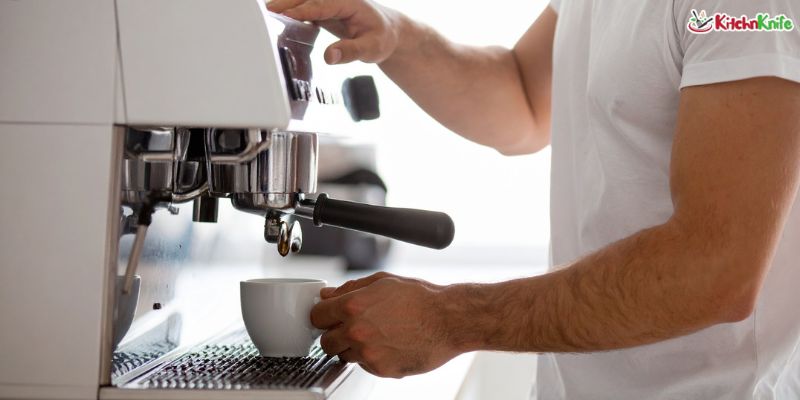
Most people think espresso machines belong in coffee shops. Big, expensive, complicated machines behind a counter operated by trained baristas. Not something you need at home.
But home chefs think differently. They invest in espresso machines the same way they invest in quality knives, cast iron pans, and professional-grade cookware. They understand that great ingredients and great tools produce great results. Coffee is no different.
I have used an espresso machine at home for years. I make espresso drinks every single morning. I know exactly why home chefs choose this path and why, once you start, going back to a basic coffee maker feels like a step backward.
In this article I will explain exactly why home chefs use espresso machines. I will cover the real benefits, the economics, the quality difference, and what to look for if you are thinking about getting one yourself.
Let us get into it.
The Core Reason: Quality You Cannot Get Any Other Way
Home chefs care about quality. That is the central truth behind almost every decision they make in the kitchen. They source better ingredients. They use better tools. They learn better techniques. And they apply that same standard to their coffee.
A standard drip coffee maker produces decent coffee. But it cannot produce espresso. And espresso is the foundation of the most loved coffee drinks in the world.
Espresso is made by forcing hot water through finely ground coffee beans under high pressure. That pressure extracts flavors, oils, and compounds from the coffee that no other brewing method can replicate. The result is a concentrated, rich shot with a layer of golden crema on top.
That crema is the mark of a properly pulled espresso shot. It is not just visual. It carries aroma and flavor that makes every sip different from anything you get from a drip machine or a pod system.
For coffee lovers who care about what they drink, this difference is not subtle. It is enormous. And once you taste the difference, a basic coffee maker simply does not satisfy the same way.
Reason 1: Full Control Over Every Cup
Home chefs love control. In cooking, control over heat, timing, and ingredients is what separates a good dish from a great one. Espresso machines bring that same level of control to coffee.
With a home espresso machine, you control:
- The grind size of your coffee beans
- The dose of coffee in each shot
- The water temperature during extraction
- The pressure applied during brewing
- The extraction time for each shot
- The milk temperature and texture for lattes and cappuccinos
Each of these variables affects the final flavor in your cup. A finer grind produces a stronger, more intense shot. A coarser grind produces something lighter and more nuanced. Water temperature affects bitterness and sweetness. Extraction time determines body and strength.
Drip coffee makers control almost none of these variables. You add coffee and water and press a button. The machine does everything the same way every time regardless of what you want.
An espresso machine puts you in charge. That creative control is exactly what home chefs are drawn to.
Reason 2: Café Quality Espresso Drinks at Home
The espresso drinks you love at a café cost between four and seven dollars each. Every single day. That adds up fast.
A latte. A cappuccino. A flat white. An americano. These are all espresso-based drinks that you can make at home with an espresso machine and a milk frother or steam wand.
The quality you can achieve at home with a good machine and fresh coffee beans matches or exceeds what most coffee shops produce. Many home chefs discover this quickly. Their home espresso cappuccino tastes better than the one they used to buy every morning. And it costs a fraction of the price.
Brands like Geek Chef and Plum Chef make capable home espresso machines that produce professional results without requiring professional training. An automatic espresso machine handles much of the technical work for you. You get consistent, high-quality shots every time with minimal effort.
For coffee lovers who buy a café drink every day, a home espresso machine pays for itself within months. After that, every cup is essentially free compared to what you were spending before.
Reason 3: Fresh Coffee Beans Make All the Difference
Home chefs understand the importance of fresh ingredients. They buy fresh vegetables, fresh fish, fresh herbs. They apply that same thinking to coffee.
The best coffee starts with fresh coffee beans. Pre-ground coffee in a can or bag starts losing flavor the moment it is ground. By the time you brew it at home, much of the aromatic complexity is already gone.
An espresso machine works best with freshly ground beans. When you grind coffee beans just before brewing, you preserve the oils and aromatics that create the rich, complex flavors in a great shot.
This is why many home chefs pair their espresso machine with a quality burr grinder. The combination of fresh beans, precise grinding, and high-pressure extraction produces best coffee results that pre-ground and pod systems simply cannot match.
Platforms like Ubuy and specialty coffee retailers make it easy to source high-quality single-origin beans and artisan roasts from around the world. Home chefs explore different origins and roast levels the same way they explore different ingredients in the kitchen. The variety and quality available today is extraordinary.
Reason 4: The Home Chef Mindset Applies to Everything
Home chefs do not separate their passion for quality into categories. They do not say they care about food but not about coffee. They care about every element of what they consume and serve.
When guests come over for dinner, the meal does not end with dessert. It ends with coffee. A home chef who has spent hours preparing an exceptional meal wants the final course to be just as impressive.
Pulling a perfect espresso shot or crafting a beautifully textured latte for a guest is an extension of the same hospitality and craft that went into the food. An espresso machine gives home chefs the tools to make that final impression as strong as everything that came before it.
This is the home chef mindset. Everything that comes out of the kitchen should reflect care, skill, and quality. Coffee is no exception.
Reason 5: Modern Machines Make It Accessible
One common concern about home espresso machines is complexity. Many people assume that making great espresso requires barista training and expensive commercial equipment.
Modern home espresso machines have changed this completely.
An automatic espresso machine handles water temperature, pressure, and shot timing with built-in systems that take the guesswork out of the process. Compact coffee machines designed for home use fit easily on a kitchen counter and connect to a standard power outlet. You do not need a commercial setup or a plumbing connection.
Entry-level machines from brands like Geek Chef deliver genuine espresso results at an accessible price point. Mid-range options from Plum Chef and similar brands add steam wands for milk texturing so you can make a proper latte or espresso cappuccino at home. Higher-end machines give you manual control over every variable for the most precise results.
There is a machine for every level of interest and investment. Whether you want a simple automatic espresso setup or a fully manual machine that lets you dial in every detail, the market has excellent options at every price.
Compact coffee machines with integrated grinders are particularly popular with home chefs who want everything in one unit. Grind, tamp, and brew in one streamlined process. Less clutter. More consistency. Better results every morning.
Reason 6: The Ritual Matters as Much as the Result
There is something else that home chefs understand about espresso machines that casual coffee drinkers often miss.
The ritual of making espresso is part of the value.
Grinding fresh beans. Tamping the portafilter. Starting the shot and watching the espresso flow. Steaming milk to a perfect silky texture. Pouring a latte or capping a cappuccino machine drink with a beautiful microfoam top.
This process takes three to five minutes. It is a moment of focus and craft at the start of the day. For many home chefs, it is a genuine pleasure. A meditative practice that grounds them before the busy day begins.
Coffee lovers who invest in a home espresso machine almost universally report that the ritual becomes one of their favorite parts of the day. Not just the result in the cup but the process of creating it.
That is something a pod machine or a drip brewer cannot replicate.
What to Look for in a Home Espresso Machine
If you are a home chef considering your first espresso machine, here is what to focus on.
Pressure: Look for at least 9 bars of pressure. This is the minimum for proper espresso extraction. Many quality home machines operate at 15 bars.
Steam wand: If you drink lattes or cappuccinos, a steam wand is essential. It lets you texture milk properly for these drinks. Without it, you are limited to straight espresso drinks.
Boiler type: Single boiler machines brew and steam sequentially. Dual boiler machines do both simultaneously. Dual boiler is better for speed if you make milk drinks regularly.
Grinder compatibility: Some machines have built-in grinders. Others require a separate burr grinder. Either works well. Built-in is more convenient. Separate is often more precise.
Size: A compact coffee machine fits most kitchen counters without taking up excessive space. Measure your available counter space before buying.
Budget: Quality home espresso machines start from around a hundred and fifty dollars and go up significantly from there. A mid-range machine between three hundred and six hundred dollars hits the sweet spot for most home chefs between capability and value.
You can find good options directly from brand websites, specialty kitchen retailers, and platforms like Ubuy for international availability.
The Economics Make Perfect Sense
Let me put the numbers in plain terms.
The average daily café espresso drink costs around five dollars. Over one year that is over eighteen hundred dollars. Over five years that is over nine thousand dollars spent on coffee shop drinks.
A quality home espresso machine costs between three hundred and eight hundred dollars for most home chefs. Quality coffee beans cost around fifteen to twenty-five dollars per bag and produce thirty to forty shots depending on dose.
The math is straightforward. A home espresso machine pays for itself in less than six months for anyone who currently buys a daily café drink. Every cup after that point is a saving compared to what you were spending.
For home chefs who already spend thoughtfully on quality kitchen equipment, this economics argument is often the final push that makes the decision easy.
Frequently Asked Questions
Do you need barista training to use a home espresso machine? No. Modern automatic espresso machines are designed for home use without professional training. They handle water temperature, pressure, and timing automatically. You grind the beans, load the portafilter, and press a button. Learning to dial in your grind and dose takes a little practice but most home chefs get comfortable within a week of daily use.
What is the difference between an espresso machine and a cappuccino machine? An espresso machine pulls concentrated coffee shots under pressure. A cappuccino machine is typically an espresso machine with a built-in steam wand for texturing milk. You use the steam wand to create the textured milk needed for cappuccinos, lattes, and other milk-based espresso drinks. Most home espresso machines today include steam functionality.