
Last Updated on February 15, 2026 by Erin Jahan Eva
Why Does Food Stick to My Grater? Simple Solutions That Actually Work
You’re grating cheese for dinner. Suddenly, the cheese clumps up. It sticks to every hole. Your kitchen grater becomes a mess. Sound familiar?
This problem frustrates home cooks everywhere. But don’t worry. I’ve spent years working with different graters. I’ll show you exactly why this happens and how to fix it.
The Real Reasons Food Sticks to Your Grater
Let’s get straight to the point. Food sticks to graters for several clear reasons.
Moisture is the biggest culprit. When you grate fresh vegetables or soft cheese, they release moisture. This moisture acts like glue. It makes the food stick to the metal holes.
Temperature plays a huge role too. Warm cheese becomes soft and sticky. It smears across your box grater instead of falling through cleanly. Cold cheese grates much better.
The grater design matters more than you think. Some graters have sharp edges that cut cleanly. Others have dull edges that mash and smear food. A sharp Microplane cuts better than a dull vegetable grater.
Your grater surface affects everything. A dry steel surface creates more friction. Food grabs onto it easily. A slightly oiled surface lets food slide off.
Different Graters Face Different Problems
Not all graters are created equal. Each type has its own sticking issues.
Box Grater Challenges
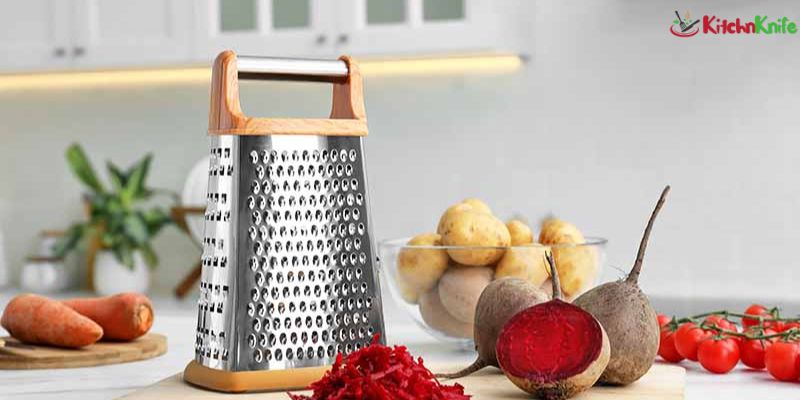
The classic box grater sits in most kitchens. It has four sides with different hole sizes. But it catches a lot of food inside.
Shredded cheese piles up inside the grater. You can’t see it happening. Then you dump it out and lose half your cheese. The tall design traps moisture too.
Microplane Benefits and Issues
A Microplane works differently. It has razor-sharp teeth. These teeth cut cleanly through hard cheese and citrus zest.
But soft foods still cause problems. The long, narrow design makes cleaning difficult. Cheese gets stuck between the tiny teeth.
Rotary Grater Advantages
A rotary grater uses a different approach. You put food in a chamber. Then you turn a handle. The food presses against a rotating drum.
This design works great for hard cheese. The pressure keeps food moving. Less sticking happens. But you can only grate small amounts at once.
Zester Specific Problems
A zester has even tinier holes than a Microplane. It’s perfect for citrus peel and hard spices.
But anything moist sticks badly. The tiny holes clog fast. You need to clean it constantly while working.
Foods That Stick the Most
Some foods create more problems than others. Let’s talk about the worst offenders.
Grating Cheese Nightmares
Grating cheese causes the most complaints. Here’s why different cheeses behave differently.
Soft cheeses like mozzarella stick terribly. They’re too moist and warm. They smear instead of grate. Hard cheeses like parmesan work much better.
Cheddar sits in the middle. Room temperature cheddar sticks badly. Cold cheddar from the fridge grates cleanly.
Pre-shredded cheese from stores has a coating. This coating prevents clumping. But it changes the taste and texture. Fresh shredded cheese tastes better.
Sticky Vegetables
Zucchini and cucumber have high water content. They release moisture as you grate. This moisture makes everything stick.
Carrots work better because they’re drier. But even carrots stick if you press too hard. Gentle pressure works best.
Potatoes turn gummy quickly. Their starch mixes with moisture. This creates a paste that clogs your grater.
Other Problematic Foods
Chocolate melts from hand heat. It smears across the grater. Frozen chocolate grates perfectly.
Ginger has sticky fibers. These fibers wrap around the grater teeth. Fresh ginger needs extra cleaning.
Garlic turns to paste easily. Its natural oils make it super sticky. A shaver or slicer might work better.
Proven Solutions to Stop Food From Sticking
Now for the good news. You can fix this problem easily. Try these methods.
The Freezer Trick
Put your food in the freezer for 15 minutes. This simple step changes everything.
Cold cheese firms up. It grates into perfect pieces. No more clumping or sticking. The same works for chocolate and butter.
Don’t freeze too long. Rock-hard food is difficult to grate. Just 15 to 20 minutes does the job.
Oil Spray Method
Spray your grater lightly with cooking oil. This creates a non stick surface. Food slides off easily.
Use a neutral oil like vegetable or canola. Olive oil works too. Just spray a light coat. Too much oil makes your food greasy.
Spray before each use. Wipe the grater clean after. This prevents oil from going rancid.
Choose the Right Grater
Match your grater to your food. This prevents many problems.
Use a Microplane for hard cheese and citrus. It cuts cleanly with less pressure. The sharp teeth prevent smearing.
Pick a rotary grater for medium-hard cheese. The enclosed design catches all the pieces. Nothing sticks to your hands or counter.
Try a box grater for vegetables and soft cheese. But choose one with non stick coating. These cost more but work much better.
Clean As You Go
Don’t let food dry on your grater. It becomes cement.
Rinse your grater immediately after use. Use hot water and soap. A stiff brush removes stuck pieces.
For stubborn bits, try this trick. Grate a piece of bread or potato. The soft texture pushes out stuck food. Then wash normally.
Professional Tips for Better Results
I’ve learned these tricks from years of cooking. They make a huge difference.
Use Proper Technique
Hold your food at an angle. Don’t press straight down. This reduces friction and sticking.
Use light pressure. Let the grater do the work. Heavy pressure smashes food into the holes.
Move in one direction only. Don’t saw back and forth. This prevents clogging.
Storage Matters
Keep your grater completely dry. Moisture causes rust and sticking. A damp steel grater develops rough spots.
Store in a storage container if possible. This protects the sharp edges. Dull graters stick more than sharp ones.
Don’t stack other items on top. This bends the metal and damages the teeth.
Add a Classy Touch
Present your shredded cheese nicely. Use a clean bowl. Don’t serve it with stuck-together clumps.
Fresh grated cheese looks fluffy. It falls like snow. This adds a classy touch to any dish. Your guests notice the difference.
Think Like a Matchstick
Some recipes call for match stick cuts. These are thin strips like julienne. A grater won’t work well for these.
Use a sharp knife instead. Or try a mandoline slicer. These tools give you better control. They prevent the sticking problem entirely.
Choosing the Best Grater for Your Needs
Not everyone needs the same grater. Think about what you cook most often.
Do you grate cheese daily? Invest in a quality rotary grater. It saves time and frustration. The enclosed design keeps everything clean.
Do you zest citrus often? Buy a good zester or Microplane. The sharp teeth make quick work of lemon and lime. They last for years with proper care.
Do you need multiple functions? A four-sided box grater offers versatility. Choose one with non stick coating and sharp holes.
Budget matters too. A basic steel grater costs less than $10. A premium Microplane might cost $15 to $20. Quality graters last longer and work better.
Maintaining Your Grater Long-Term
Good maintenance prevents sticking problems. Follow these simple rules.
Wash immediately after every use. Don’t let food dry on the surface. Hot water works better than cold.
Dry completely before storing. Water spots create rough patches. These patches increase sticking.
Check for rust regularly. Steel graters rust if not dried properly. Light rust can be scrubbed off. Heavy rust means replacement time.
Sharpen when needed. Yes, you can sharpen graters. Some kitchen stores offer this service. Or buy a new grater when cutting performance drops.
Common Mistakes to Avoid
Many people make these errors. Don’t be one of them.
Using warm ingredients. Always chill food first. This single step prevents most sticking.
Pressing too hard. Gentle pressure works better. Heavy pressure causes smearing and clogging.
Ignoring the direction. Always grate in one direction. Back and forth motion packs food into holes.
Skipping the oil spray. This takes five seconds. It saves five minutes of scrubbing later.
Using the wrong grater. Match the tool to the job. Don’t use a zester for grating cheese. Don’t use a box grater for citrus zest.
Frequently Asked Questions
Why does cheese stick to my grater even when cold?
Your grater might be dull. Sharp holes cut cleanly. Dull holes smash and smear. Try a new grater or spray with oil first.
Can I put my grater in the dishwasher?
Most steel graters are dishwasher safe. But hand washing keeps them sharper longer. Check your grater’s instructions first.
What’s the best grater for soft cheese?
A rotary grater works best for soft cheese. The enclosed design and pressure prevent sticking. Freeze the cheese for 15 minutes first.
How do I clean stuck food from tiny holes?
Use a stiff brush and hot soapy water. Or grate a piece of bread to push out stuck bits. Rinse immediately with hot water.
Is a non-stick grater worth the extra cost?
Yes, if you grate food often. Non stick surfaces make cleaning much easier. They prevent most sticking problems. The coating lasts for years.
Why does my Microplane get clogged so easily?
The teeth are very fine and close together. Clean it immediately after use. Use a brush or toothbrush to clear the tiny holes.
Make Grating Easy and Fun
You now know why food sticks to graters. More importantly, you know how to fix it.
Remember the key points. Keep food cold. Spray your grater with oil. Use the right tool for each job. Clean immediately after use.
These simple steps transform your cooking experience. No more frustration. No more wasted food. Just clean, perfect results every time.
Your kitchen grater should make cooking easier. Not harder. With these tips, it will.
Start with one change today. Maybe chill your cheese before grating. Or spray your Microplane with oil. Small changes create big results.
Happy grating!