
Last Updated on February 15, 2026 by Erin Jahan Eva
Why Metal Sieves Rust: A Complete Guide to Prevention and Care
Introduction
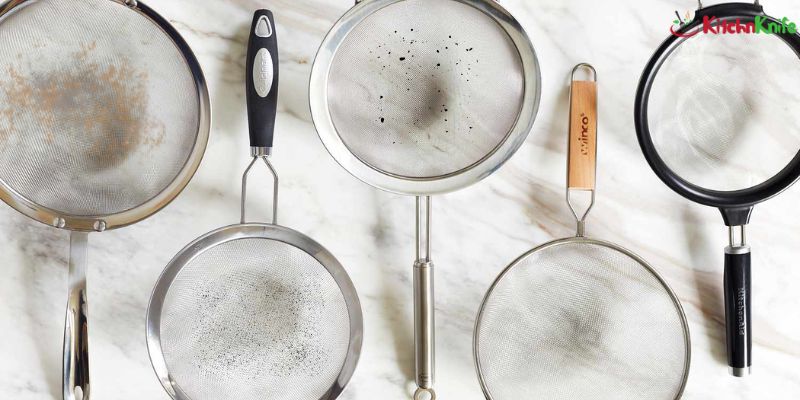
You reach for your flour sieve and notice those dreaded orange spots. Rust has appeared again. This happens to many home cooks. Your kitchen sieve was clean last week. Now it looks damaged and unsafe.
I’ve used metal strainers for over fifteen years. I’ve seen rust destroy many good sieves. The good news? You can prevent this problem. You just need to understand why it happens.
Rust forms when metal meets water and air. Your colander sits in this perfect storm every day. But some sieves rust quickly while others last for years. Why does this happen? Let’s find out.
This guide will show you exactly why metal sieves rust. You’ll learn how to protect your kitchen tools. You’ll also discover which sieves resist rust best.
What Is Rust and Why Does It Form?
Rust is iron oxide. It forms when iron reacts with oxygen and water. You see it as that reddish-brown coating on metal.
Think of rust as metal decay. The process is called oxidation. Your steel strainer contains iron. When iron gets wet, it starts to break down.
Three things must combine to create rust:
- Iron or steel metal
- Oxygen from the air
- Water or moisture
Remove any one element and rust cannot form. This fact is key to prevention.
The process happens faster than you think. A wet fine mesh sieve can start rusting in just a few hours. The thin wires in mesh speed up the process. More surface area means more exposure to air and water.
Why Kitchen Sieves Are Prone to Rust
Your kitchen sieve lives in a harsh environment. Water hits it every single day. Food particles stick to the mesh. Acids from tomatoes and citrus attack the metal.
Most people wash their flour sifter and put it away wet. This is the biggest mistake. Even small water drops can cause rust. The mesh design traps moisture in tiny spaces.
Kitchen humidity makes things worse. Your tea strainers sit near the sink. Steam from cooking surrounds them. This moisture never fully dries.
Salt speeds up rust formation. When you rinse salted foods through your colander, salt residue stays behind. Salt acts like a catalyst. It makes rust form up to five times faster.
Food acids create another problem. Lemon juice, vinegar, and tomato sauce all eat away at metal. They break down the protective layer on steel. Once this layer is gone, rust forms quickly.
Types of Metal Sieves and Their Rust Resistance
Not all sieves are created equal. The material makes a huge difference in rust resistance.
Stainless Steel Sieve
A stainless steel sieve resists rust better than any other type. The word “stainless” tells you why. This metal contains chromium. Chromium forms a protective barrier against oxygen.
High-quality stainless steel sieves can last decades. They cost more upfront but save money long-term. I still use a stainless steel sieve I bought ten years ago. It shows no rust.
Look for sieves marked “18/10” or “18/8” stainless steel. These numbers show the chromium and nickel content. Higher numbers mean better rust protection.
Regular Steel Strainer
A basic steel strainer rusts easily. These sieves are made from carbon steel. Carbon steel is strong but not rust-proof.
Many cheap kitchen sieves use regular steel. They may have a thin coating to prevent rust. But this coating scratches easily. Once scratched, rust starts immediately.
Fine Mesh Sieve
A fine mesh sieve presents special challenges. The tiny wires create more surface area. More surface area means more places for rust to start.
Fine mesh also traps moisture and food particles. These particles are hard to rinse out completely. They sit in the mesh and create rust spots.
Tea Strainers
Tea strainers face constant moisture. They sit in hot water multiple times per day. The heat speeds up chemical reactions. This makes rust form faster.
Small tea strainers are often made from thin metal. Thin metal rusts through more quickly than thick metal. A rusted tea strainer can break apart in your drink.
Flour Sifter
A flour sifter usually has moving parts. The crank mechanism includes springs and gears. These parts often use regular steel, not stainless steel.
Flour seems dry, but it absorbs moisture from the air. This moisture transfers to your flour sieve. Over time, rust forms on the mesh and mechanisms.
Colander
Most colanders have larger holes than other sieves. The thicker metal resists rust better. But colanders still need proper care.
Colanders with handles pose another risk. The spot where the handle attaches can trap water. This hidden moisture causes rust from the inside out.
Common Causes of Sieve Rust
Understanding the causes helps you prevent problems. Here are the main reasons sieves rust.
Improper Drying
This is the number one cause of rust. You wash your kitchen sieve and shake off the water. But water droplets hide in the mesh. These drops sit there for hours.
Air drying isn’t enough for sieves with handles or fine mesh. You must actively dry every part. Use a clean towel to absorb hidden moisture.
Dishwasher Damage
Dishwashers are harsh on metal sieves. The hot water and strong detergents strip away protective coatings. The drying cycle doesn’t fully dry mesh areas.
Dishwasher detergent contains chemicals that attack metal. These chemicals break down the surface layer of your steel strainer. Without this layer, rust forms quickly.
Many sieves also bump against other items in the dishwasher. These impacts create tiny scratches. Each scratch becomes a rust starting point.
Scratches and Surface Damage
Every scratch on your stainless steel sieve is a weak point. The protective chromium layer is thinner at scratches. Rust starts in these damaged areas first.
Metal utensils cause most scratches. Scraping food out with a fork or knife damages the mesh. Even scrubbing too hard with a brush creates micro-scratches.
Chemical Reactions with Foods
Certain foods are especially hard on metal. Acidic foods break down metal surfaces. Salty foods accelerate rust.
Here are the worst offenders:
- Tomato sauce
- Citrus fruits
- Vinegar
- Pickled foods
- Salty pasta water
- Fish and seafood
Rinse your fine mesh sieve immediately after using it with these foods. Don’t let them sit on the metal.
Poor Quality Materials
Cheap sieves use low-grade steel. This steel contains impurities. These impurities create weak spots where rust starts easily.
Some manufacturers apply a thin chrome coating to regular steel. This makes the sieve look like stainless steel. But the coating wears off quickly. Once gone, the steel underneath rusts fast.
A quality flour sifter costs more but lasts years longer. The initial investment pays off.
How to Prevent Rust on Metal Sieves
Prevention is easier than repair. Follow these simple steps to keep your sieves rust-free.
Proper Washing Methods
Wash your sieves immediately after use. Don’t let food dry on the mesh. Dried food traps moisture against the metal.
Use warm water and mild dish soap. Avoid harsh abrasive cleaners. These cleaners scratch the surface.
Rinse thoroughly. Soap residue can trap moisture and cause problems. Make sure all soap is gone before drying.
For stubborn stuck-on food, soak the sieve for ten minutes. Then use a soft brush to clean it gently. Never use steel wool or metal scrubbers on stainless steel.
Drying Techniques
This step matters most. You must remove all moisture.
First, shake the sieve vigorously over the sink. This removes most water drops. Then take a clean, dry towel. Press the towel against both sides of the mesh. The towel absorbs hidden water.
For tea strainers and fine mesh sieves, extra care is needed. Hold them up to the light. Look for water droplets in the mesh. Dab these spots with a paper towel.
Some people use a hair dryer on cool setting. This blows water out of tiny spaces. I do this with my flour sieve before storing it.
Let the sieve air dry completely before putting it away. Place it upside down on a drying rack. This allows air to circulate around all surfaces. Wait at least one hour.
Storage Tips
Store your sieves in a dry place. Avoid storing them under the sink. The area under the sink is often damp.
Hang sieves if possible. Hanging allows air to circulate around them. It also prevents water from pooling in any spots.
If you must stack sieves, place paper towels between them. The paper absorbs any residual moisture. Change these towels weekly.
Keep your colander away from the dishwasher area. Steam from the dishwasher can cause rust. Store it in a dry cabinet instead.
Seasoning Methods
You can season your steel strainer like cast iron. This creates a protective layer.
Heat your oven to 300 degrees. Coat the sieve lightly with cooking oil. Use a paper towel to spread the oil evenly. Make sure the coating is very thin.
Place the sieve upside down on the oven rack. Put foil on the rack below to catch drips. Bake for one hour.
Turn off the oven and let the sieve cool inside. This process creates a barrier against moisture. Repeat this every few months for best results.
Note: Only do this with sieves that have metal handles. Plastic or wooden handles will melt.
Choosing Rust-Resistant Options
When buying a new sieve, choose quality materials. Look for these features:
- 18/10 or 18/8 stainless steel construction
- Welded joints, not glued or riveted
- Thick mesh wires
- Stainless steel handles
- No chrome plating over regular steel
Read product reviews before buying. Other users often mention rust problems. A kitchen sieve with handle made from solid stainless steel is worth the extra cost.
Some sieves now come with silicone coatings. These resist rust completely. But the coating can wear off over time.
What to Do If Your Sieve Already Has Rust
Don’t panic if you spot rust. Small rust spots can often be removed.
Safety Concerns
Light surface rust is usually safe. But heavy rust means the metal is breaking down. Rust flakes can fall into your food.
Never use a heavily rusted sieve for food preparation. The structural integrity is compromised. The mesh might break and contaminate your food.
If rust covers more than 20% of the surface, replace the sieve. It’s not worth the health risk.
Cleaning Rusty Sieves
For light rust on your flour sifter or other sieves, try these methods.
Vinegar Soak Method:
- Fill a bowl with white vinegar
- Submerge the rusty parts
- Wait 30 minutes
- Scrub gently with a soft brush
- Rinse thoroughly
- Dry immediately and completely
Baking Soda Paste Method:
- Mix baking soda with water to form a paste
- Apply the paste to rust spots
- Let it sit for 15 minutes
- Scrub gently in circles
- Rinse well
- Dry thoroughly
Lemon and Salt Method:
- Sprinkle salt on the rust
- Squeeze lemon juice over the salt
- Let it sit for two hours
- Scrub with the lemon rind
- Rinse and dry completely
After cleaning rust, season the sieve with oil. This helps prevent new rust from forming.
When to Replace
Replace your sieve if you see these signs:
- Holes in the mesh from rust
- Rust that returns quickly after cleaning
- Structural bending or weakness
- Rust on food contact surfaces that won’t come off
- A musty smell that persists after washing
A good stainless steel sieve should last many years. If yours rusts frequently, it’s likely poor quality. Invest in a better one.
Choosing the Right Sieve Material
The material you choose determines how much maintenance your sieve needs.
Stainless Steel Advantages
Stainless steel offers the best rust protection. It contains at least 10% chromium. This chromium reacts with oxygen to form a protective layer.
The protective layer is self-healing. If you scratch the surface, new chromium oxide forms. This keeps rust away even with normal wear.
A stainless steel sieve with handle requires minimal maintenance. Wash and dry it properly and it will last decades. I recommend stainless for all your primary kitchen sieves.
Carbon Steel Considerations
Carbon steel is stronger than stainless steel. But it rusts much faster. Some specialty sieves use carbon steel for this strength.
If you choose carbon steel, you must maintain it carefully. Season it regularly with oil. Never let it air dry. Wipe it immediately after washing.
Carbon steel works well for some flour sifters. The mechanical parts need the extra strength. But expect more maintenance work.
Coated Options
Some sieves have enamel or plastic coatings. These coatings prevent rust completely. But they can chip and peel.
Once the coating is damaged, the metal underneath rusts quickly. Coated sieves also can’t be seasoned like bare metal.
Silicone-coated sieves are becoming popular. They resist rust and won’t chip. But high heat can damage silicone. Don’t use them for hot oil straining.
Handle Materials
Pay attention to the handle on your kitchen sieve with handle. Wooden handles can harbor bacteria and moisture. This moisture can rust the connection point.
Plastic handles are waterproof but can break. They also aren’t oven-safe if you want to season the sieve.
Solid stainless handles are best. They match the bowl of the sieve. There are no weak connection points. They can be cleaned and dried as one unit.
Frequently Asked Questions
Why does my stainless steel sieve rust?
Even stainless steel can rust under certain conditions. Chlorides from salt break down the protective layer. Scratches expose the metal underneath. Prolonged moisture contact causes pitting. Low-quality stainless steel also rusts more easily.
Can I still use a rusty sieve?
Light surface rust on the non-food areas is generally safe. But don’t use a sieve if rust is heavy or flaking. Rust particles can contaminate your food. If the mesh has holes from rust, the sieve is no longer effective.
How do I clean a rusty tea strainer?
Soak the tea strainer in white vinegar for 30 minutes. Scrub gently with a soft toothbrush. Rinse thoroughly and dry immediately. For stubborn rust, make a paste of baking soda and water. Apply it to the rust and let it sit for 15 minutes before scrubbing.
Should I put my fine mesh sieve in the dishwasher?
No, avoid the dishwasher for fine mesh sieves. The harsh detergents and high heat damage the protective layer. The drying cycle doesn’t fully dry the tiny mesh spaces. Hand wash and dry your fine mesh sieve instead.
What’s the best way to store a flour sifter?
Store your flour sifter in a dry cabinet away from moisture. Make sure it’s completely dry before storing. Some people place a paper towel inside to absorb any residual moisture. Hang it if possible to allow air circulation.
Why does the mesh rust faster than the frame?
The thin wires of the mesh have more surface area relative to their volume. They also trap moisture more easily. The frame is thicker and allows water to run off more easily. This is why you see rust in the mesh first.
Can I prevent rust on a cheap steel strainer?
Yes, but it requires more effort. Dry it immediately after every use. Season it monthly with cooking oil. Store it in a very dry place. But cheap steel strainers will eventually rust no matter what you do. A quality stainless steel sieve is a better long-term investment.
Does leaving food in my colander cause rust?
Yes, absolutely. Food particles trap moisture against the metal. Acidic and salty foods actively attack the metal surface. Always rinse your colander immediately after use. Don’t leave dirty dishes soaking in it.
What oil should I use to season my sieve?
Use neutral cooking oils like vegetable oil or canola oil. Avoid olive oil as it can become sticky. Apply a very thin layer. Too much oil will make the sieve greasy and attract dust.
How long should a good kitchen sieve last?
A high-quality stainless steel sieve should last 10 to 20 years with proper care. Some last even longer. If your sieve rusts within a year or two, it was likely poor quality. Invest in a better one next time.
Conclusion
Rust forms when metal meets water and oxygen. Your kitchen sieves face this combination every single day. But now you understand why this happens and how to prevent it.
The key to rust-free sieves is simple. Wash them immediately after use. Dry them completely before storing. Choose quality stainless steel when possible. These three steps will extend the life of your sieves dramatically.
Remember that different sieves need different care. Your fine mesh sieve requires more attention than your colander. Your flour sifter needs seasoning that your stainless steel sieve doesn’t. Adjust your care routine to match your tools.
Check your sieves regularly for early rust spots. Catch rust early and you can remove it easily. Wait too long and you’ll need to replace the entire sieve.
Invest in quality tools from the start. A good stainless steel sieve costs more upfront. But it saves money over time. It also saves the frustration of dealing with rust.
Your sieves are essential kitchen tools. They deserve proper care. Follow the tips in this guide. Your tea strainers, flour sifter, and colander will serve you well for many years.
Stop letting rust ruin your kitchen tools. Take action today to protect your sieves. Your future self will thank you every time you reach for a clean, rust-free sieve.