
Last Updated on May 17, 2026 by Susanna Zuyeva
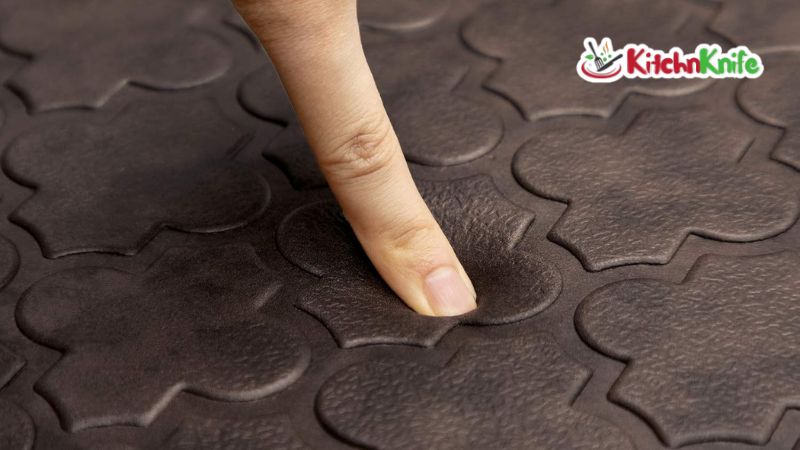
Anti fatigue kitchen mats are specially designed floor mats that reduce physical discomfort when you stand for long periods. They sit on your kitchen floor in front of the sink, stove, or counter and support your body while you cook, wash dishes, or prep meals.
These mats are not regular rugs. They are engineered with cushioning materials that absorb pressure and encourage small, subtle muscle movements. This keeps your blood flowing and reduces tiredness in your legs, feet, and lower back.
How Do They Work?
When you stand on a hard floor, your muscles stay tense and still. That stillness slows blood circulation and causes fatigue quickly.
Anti fatigue mats change that. Their soft, slightly unstable surface forces your leg and foot muscles to make tiny adjustments constantly. These micro-movements keep your circulation active and reduce muscle strain — without you even noticing.
Think of it like the difference between sitting in a stiff wooden chair versus a supportive ergonomic one. Same position, very different experience.
Key Benefits of Anti Fatigue Kitchen Mats
Here is why millions of home cooks and professional chefs use them:
- Reduced foot and leg pain Cushioning absorbs the shock your joints usually take.
- Better posture A supportive surface encourages you to stand more naturally.
- Less lower back strain The mat reduces pressure that travels up through your spine.
- Improved circulation Subtle muscle engagement keeps blood moving through your legs.
- Increased comfort You can stand longer without feeling exhausted.
- Non-slip safety Most mats have a rubber base that grips the floor and prevents slipping.
- Easy to clean Many are waterproof and wipe clean in seconds.
These benefits make anti fatigue mats especially useful for people with plantar fasciitis, arthritis, varicose veins, or chronic back pain.
Types of Anti Fatigue Kitchen Mats
Not all mats are the same. Here are the most common types:
1. Foam Mats
Made from memory foam or EVA foam. Lightweight, affordable, and soft underfoot. Best for occasional home use.
2. Gel Mats
Contain a gel core that conforms to the shape of your foot. They offer superior cushioning and are popular in professional kitchens.
3. Rubber Mats
Built from natural or synthetic rubber. Very durable, easy to clean, and great for heavy-duty use. Often used in commercial kitchens.
4. PVC Mats
Made from polyvinyl chloride. Budget-friendly and resistant to grease and water. A solid everyday option for home kitchens.
5. Wooden or Bamboo Mats
A more stylish option. Less cushioning than foam or gel but add a natural, aesthetic look to your kitchen space.
What to Look for When Buying
Choosing the right mat comes down to a few key factors:
Thickness Look for at least ¾ inch of thickness. Thicker mats offer more cushioning and support.
Material Foam and gel mats are softer. Rubber mats last longer. Choose based on your daily needs and budget.
Size Measure your work area first. The mat should be wide enough to step side to side without stepping off it.
Non-Slip Base Always check for a beveled edge and a grippy rubber bottom. This prevents the mat from sliding and reduces trip hazards.
Waterproof and Stain-Resistant Kitchen floors see spills daily. Pick a mat that resists water, grease, and food stains.
Ergonomic Certification Some mats carry ergonomic certifications from organizations like the National Floor Safety Institute (NFSI). These are tested and verified for safety and performance.
Easy Maintenance Look for mats you can wipe down or toss in the washing machine.
How to Care for Your Anti Fatigue Mat
Caring for your mat is simple:
- Wipe spills immediately with a damp cloth.
- Deep clean weekly using mild soap and warm water.
- Air dry completely before placing it back on the floor.
- Avoid harsh chemicals they can break down foam and gel materials.
- Roll, don’t fold folding can cause creases or cracks in the mat over time.
With proper care, a quality anti fatigue mat can last 3 to 5 years or more.
Final Thoughts
Anti fatigue kitchen mats are a small investment with a big payoff. They protect your joints, improve your posture, and make time in the kitchen far more comfortable.
Whether you cook for 15 minutes or 2 hours a day, standing on a hard floor adds up. A good mat solves that problem quietly and effectively.
Look for the right thickness, material, and size for your space and your body will thank you every single day.