
Last Updated on May 15, 2026 by Kathay Lee
Kitchen mats feel like a smart add to any home. They cushion your feet, catch spills, and protect your floor. But here is the question many homeowners ask: can kitchen mats actually damage hardwood floors?
The short answer is yes. Some mats can. But not all of them will.
This guide breaks down exactly how kitchen mats can harm hardwood floors, which types are safe, and how to keep your floors looking great for years.
Why This Matters
Hardwood floors are a long term investment. They add warmth, beauty, and real estate value to your home. Damage from the wrong mat can be costly to fix. Warping, staining, and scratches are real risks.
Understanding the risks helps you make smarter choices from the start.
How Kitchen Mats Can Damage Hardwood Floors
1. Trapped Moisture Causes Warping
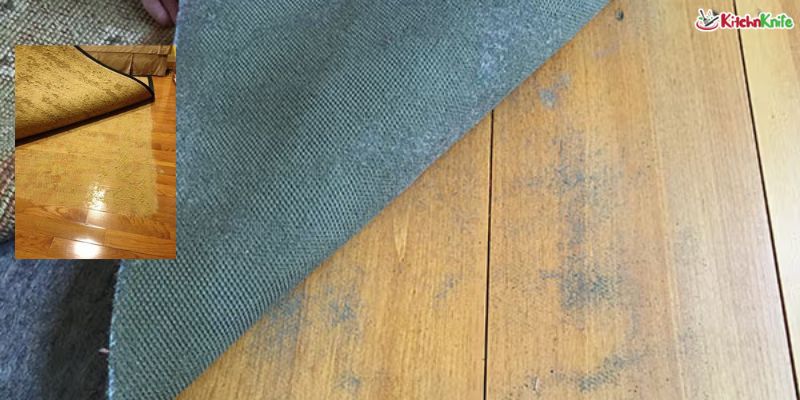
This is the biggest risk. Some kitchen mats hold moisture underneath them. Water from spills or mopping gets trapped between the mat and the floor.
Wood absorbs that moisture. Over time it swells, warps, and buckles. This kind of damage is hard to reverse.
Rubber backed mats are the most common cause of this problem. They create a seal that prevents airflow and traps moisture for long periods.
2. Rubber Backing Stains the Finish
Natural rubber contains chemicals that react with polyurethane floor finishes. This reaction leaves behind dark stains or discoloration.
These stains often look like permanent shadows on your floor. Refinishing the floor is usually the only fix.
Not all rubber is the same. But many low cost mats use natural rubber or latex backings that cause this issue.
3. Grit and Debris Cause Scratching
Dirt and grit collect under kitchen mats over time. When the mat shifts or slides even slightly, that trapped debris acts like sandpaper against your floor finish.
Small scratches build up quickly. The finish dulls and the floor looks worn long before its time.
4. Non Breathable Backings Block Airflow
Hardwood floors need to breathe. They expand and contract with changes in temperature and humidity. Mats with solid non breathable backings prevent this natural movement.
Over time this causes cupping or cracking in the wood planks.
Types of Kitchen Mats and Their Risk Levels
| Mat Type | Risk Level | Reason |
|---|---|---|
| Natural rubber backed | High | Stains finish, traps moisture |
| Latex backed | High | Chemical reaction with polyurethane |
| PVC or vinyl backed | Medium | Can trap moisture if left long term |
| Felt backed | Low | Breathable, gentle on finish |
| Rug pad with open weave | Low | Allows airflow, no chemical reaction |
| Anti fatigue foam mats | Medium | Depends on backing material |
Which Kitchen Mats Are Safe for Hardwood Floors
Look for mats with these features.
Safe backing materials:
- Felt or textile backing
- Open weave rug pads
- Non slip mesh pads that allow airflow
- Mats labeled hardwood floor safe
Safe features to look for:
- Moisture wicking or quick dry construction
- Washable top surface
- Thin profile with breathable base
Many rug manufacturers now make hardwood safe mats. Check product labels before buying. If the packaging does not mention hardwood floors, ask before purchasing.
How to Use Kitchen Mats Safely on Hardwood Floors
Even a safe mat can cause problems if you use it incorrectly. Follow these tips to protect your floors.
Lift and clean often Pick up your mat at least once a week. Sweep or mop the floor underneath. Let both the floor and the mat dry completely before putting it back.
Rotate your mat regularly Rotating the mat prevents uneven wear and keeps one area from being covered too long.
Never use a wet mat If your mat gets soaked from a spill, remove it immediately. Dry the floor and the mat before replacing.
Use a breathable rug pad underneath Even if your mat has a gentle backing, adding a breathable open weave pad between the mat and the floor adds extra protection.
Avoid mats with strong chemical smells A strong odor often signals chemical compounds that can react with your floor finish. When in doubt, skip it.
Signs Your Mat Is Already Damaging Your Floor
Check your floor regularly by lifting the mat and looking closely. Watch for:
- Dark staining or discoloration in the shape of the mat
- Dull or faded finish where the mat sits
- Soft or spongy spots that indicate moisture damage
- Fine scratches in the finish across the mat area
If you spot any of these signs, remove the mat right away. Let the floor breathe for a few days. Then consult a flooring professional about repair options.
Quick Buying Checklist for Hardwood Safe Kitchen Mats
Before you buy any kitchen mat, confirm the following:
- Backing is felt, mesh, or labeled hardwood safe
- No natural rubber or latex in the backing
- Top surface is washable and quick drying
- Product is specifically listed as safe for hardwood or wood floors
Final Thoughts
Kitchen mats can damage hardwood floors. But with the right mat and proper care habits, you can enjoy the comfort and protection they offer without the risk.
The key is knowing what to avoid. Natural rubber, latex, and sealed non breathable backings are the main culprits. Moisture is the biggest enemy of wood floors.
Choose breathable materials, clean underneath your mat regularly, and replace any mat that shows signs of reacting with your floor finish.
Your hardwood floors can last a lifetime with the right care. A small investment in the right kitchen mat today saves you from expensive repairs down the road.