
Last Updated on May 15, 2026 by Kathay Lee
Kitchen mats take a beating every single day.
You stand on them while cooking. They catch spills, grease, and crumbs. They stay damp after mopping. And yet most people never think about replacing them until something goes very wrong.
So how often should you replace kitchen mats? The short answer is every one to three years. But the real answer depends on the mat type, how often you use it, and how well you care for it.
This guide gives you a clear, honest breakdown of everything you need to know.
Average Lifespan of Kitchen Mats
Most kitchen mats last between one and three years with regular use.
Some high quality mats made from rubber, memory foam, or anti fatigue materials can last up to five years. Cheap mats made from thin fabric or low density foam may only hold up for six to twelve months.
The lifespan also depends on how heavy the foot traffic is in your kitchen. A busy family kitchen wears mats down much faster than a solo apartment kitchen.
Signs It Is Time to Replace Your Kitchen Mat
Do not wait for a mat to fall apart. Look for these warning signs:
Physical Damage
- Edges are curling or fraying
- Visible cracks in the rubber or foam base
- Surface fabric is tearing or pilling
- The mat has permanent stains you cannot remove
Safety Concerns
- The non slip backing has worn smooth
- The mat slides or bunches when you step on it
- Uneven surface that creates a tripping hazard
Hygiene Issues
- Persistent bad odor even after washing
- Visible mold or mildew growth
- Discoloration from bacteria buildup
Comfort Loss
- The cushioning feels completely flat
- You notice more foot pain or leg fatigue after standing
Any one of these signs is a good reason to replace your mat today.
Replacement Timeline by Mat Type
Different mats wear out at different rates. Here is a simple guide:
| Mat Type | Recommended Replacement |
|---|---|
| Anti fatigue foam mats | Every 1 to 2 years |
| Rubber kitchen mats | Every 2 to 3 years |
| Fabric or woven mats | Every 1 to 2 years |
| Gel filled mats | Every 2 to 4 years |
| Natural fiber mats (jute, coir) | Every 1 year |
| Vinyl or PVC mats | Every 2 to 3 years |
Natural fiber mats absorb moisture easily and break down faster. Rubber and gel mats hold up better over time.
Factors That Affect How Long a Mat Lasts
Several things determine whether your mat reaches its full lifespan or wears out early.
Foot Traffic More people in the kitchen means more wear. High traffic kitchens need more frequent replacements.
Cleaning Habits Regular cleaning extends mat life. But harsh chemicals or machine washing on the wrong setting can break down materials faster.
Spill Frequency Kitchens with heavy cooking see more oil, water, and food spills. These break down mat fibers and backing over time.
Mat Quality Budget mats use thinner materials. A higher upfront cost often means a longer lifespan and better value overall.
Flooring Type Hard tile floors are rough on mat backing. Mats placed on hardwood or smooth surfaces tend to last slightly longer.
How to Make Your Kitchen Mat Last Longer
You can extend the life of your mat with a few simple habits:
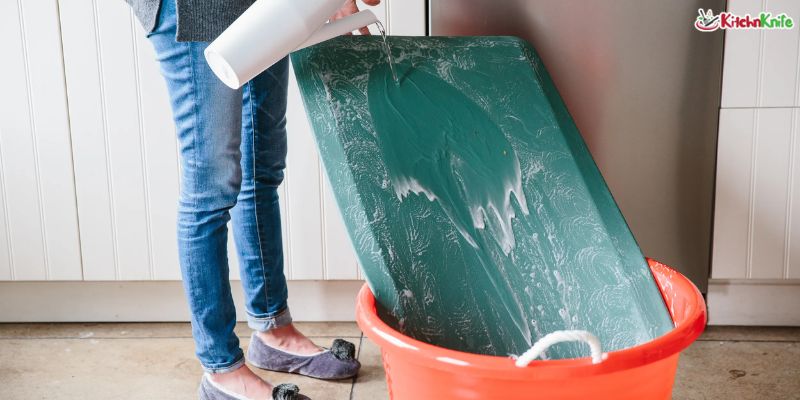
- Shake and air out the mat weekly
- Spot clean spills right away instead of letting them soak in
- Follow the care label when washing
- Allow the mat to dry completely before placing it back down
- Rotate the mat occasionally to even out wear
- Use a mat pad underneath to reduce friction with the floor
These small steps can add months or even a full year to your mat’s life.
What to Look for in a New Kitchen Mat
When it is time to buy a replacement, focus on these key features:
Non Slip Backing Look for a textured rubber or latex base. This prevents the mat from sliding and keeps you safe.
Washable Materials Choose a mat you can clean easily. Machine washable options save time and stay more hygienic.
Adequate Cushioning If you spend long hours cooking, prioritize comfort. Memory foam and anti fatigue mats reduce pressure on joints.
Right Size Measure your kitchen zone before buying. A mat that is too small offers little protection. Too large creates a tripping risk.
Durable Construction Check reviews for durability. Look for double stitched edges, thick foam cores, and high density rubber bases.
Frequently Asked Questions
Can I wash my kitchen mat in the washing machine? Many fabric and foam mats are machine washable. Always check the care label first. Rubber backed mats can crack if washed in hot water or tumble dried.
How often should I clean my kitchen mat? Spot clean after spills. Do a full wash every one to two weeks depending on how dirty it gets.
Are anti fatigue mats worth it? Yes. If you spend more than thirty minutes at a time standing in the kitchen, anti fatigue mats reduce foot, knee, and back pain significantly.
When should I replace a kitchen mat after mold appears? Replace it immediately. Mold spreads fast and creates a health risk. Cleaning rarely removes it completely from porous mat materials.
Final Thoughts
Kitchen mats are a small investment that protect your floors, your safety, and your comfort.
Most people should replace them every one to three years. But your mat might need to go sooner if it slides, smells, or loses its cushion.
Inspect your mat every few months. When it shows two or more warning signs, do not hesitate. A fresh mat is worth far more than a slipping hazard or a hygiene problem.
Your kitchen deserves better. And so do your feet.