
Last Updated on June 21, 2026 by Kathay Lee
Introduction
Many home cooks ask the same question: can a blender replace a food processor?
It is a fair question. Both appliances sit on your countertop. Both chop and mix food. And buying two machines costs more money and takes up more space.
The short answer is: sometimes yes, sometimes no.
This guide will break down exactly when you can use a blender instead of a food processor and when you cannot. By the end, you will know which appliance fits your kitchen needs in 2026.
What Does a Blender Do?
A blender is built for liquid based tasks. It works best when there is moisture in the mix.
Common blender tasks include:
- Smoothies and protein shakes
- Soups and sauces
- Frozen drinks and ice crushing
- Nut butters (with some liquid added)
- Purees like baby food or hummus
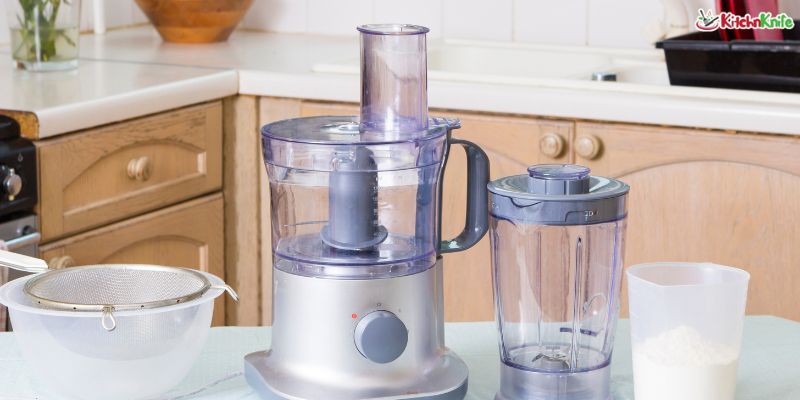
Blenders use tall, narrow jars. The blade sits at the bottom. Food gets pulled down into the blade by gravity and liquid. This design is great for wet ingredients.
High speed blenders like Vitamix or Ninja can handle tough jobs. But they still work best with some liquid added.
What Does a Food Processor Do?
A food processor is built for dry and solid food tasks.
Common food processor tasks include:
- Chopping vegetables
- Slicing and shredding cheese or cabbage
- Making pie crust or pastry dough
- Grinding meat
- Mixing thick doughs
Food processors have wide, flat bowls. They come with different blade attachments. You can swap blades to slice, shred, or chop. This makes them very flexible for solid foods.
Where a Blender Can Replace a Food Processor
Yes, a blender can do some food processor jobs. Here is where it works well:
1. Making Hummus A blender handles hummus easily. Add chickpeas, tahini, lemon juice, and garlic. Blend until smooth. The liquid helps the blender work well.
2. Pureeing Soups Blenders are actually better than food processors for silky smooth soups. They break down cooked vegetables into a creamy texture faster.
3. Making Nut Butters A high powered blender can make peanut or almond butter. Add a small amount of oil to help it blend. It may take longer than a food processor, but it works.
4. Grinding Spices or Coffee Small personal blenders can grind dry spices in short bursts. It is not as precise, but it gets the job done.
5. Salsas and Dips Blenders can chop tomatoes, onions, and peppers into a rough salsa. Use the pulse setting to avoid over blending.
Where a Blender Cannot Replace a Food Processor
Some tasks are simply not possible with a blender. Here is where a food processor wins every time:
1. Slicing and Shredding Food processors have disc attachments for thin, even slices. A blender has no disc attachment. You cannot slice carrots or shred cabbage in a blender.
2. Kneading Dough Food processors can knead bread dough or pie crust quickly. Blenders are not designed for thick doughs. The motor can overheat and the blades can get stuck.
3. Chopping Without Liquid Blenders need liquid to move food around. Dry chopping in a blender leads to uneven results. Some pieces stay whole while others turn to mush.
4. Grinding Meat Food processors grind raw meat cleanly and evenly. Blenders liquefy meat instead of grinding it. The texture is completely different.
5. Making Pastry or Crumble Toppings Food processors cut cold butter into flour to make crumbly pastry. Blenders cannot do this. The fat coats the blades and clumps together.
When You Need Both
If you cook a wide variety of meals, having both appliances makes sense.
Use your blender for:
- Daily smoothies
- Soups and sauces
- Frozen drinks
Use your food processor for:
- Weekly meal prep
- Baking tasks
- Chopping and slicing vegetables
Many households find that one machine fills most of their needs. But serious home cooks and bakers often reach for both.
Tips for Choosing the Right Appliance
Not sure which one to buy first? Ask yourself these questions:
Do you make smoothies every day? Get a blender first.
Do you bake bread or pastry regularly? Get a food processor first.
Do you meal prep chopped vegetables? Get a food processor.
Do you make soups or sauces often? A blender covers you.
Budget is tight? A high powered blender handles more tasks than a basic food processor. Start with a good blender.
Final Verdict
A blender can replace a food processor for wet, smooth, and liquid tasks. But it cannot replace a food processor for slicing, shredding, kneading dough, or dry chopping.
If you only cook simple meals and make smoothies or soups, a blender alone may be enough. If you bake, meal prep, or cook complex recipes, you will need a food processor too.
Know your cooking habits first. Then choose the appliance that fits how you actually cook. That is the smartest decision you can make in 2026.