
Last Updated on June 21, 2026 by Kathay Lee
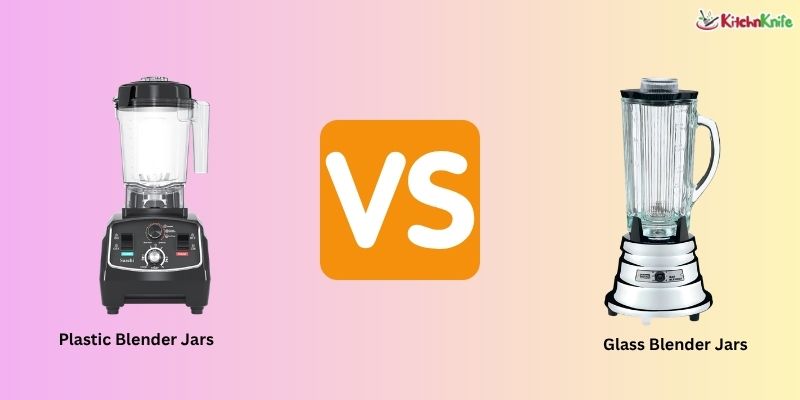
Quick Overview: Glass vs Plastic Blender Jars
| Feature | Glass Jar | Plastic Jar |
|---|---|---|
| Weight | Heavy | Lightweight |
| Durability | Can break | More impact-resistant |
| Odor retention | None | May absorb odors |
| Heat resistance | High | Moderate |
| BPA concerns | None | Depends on material |
| Cost | Higher | Lower |
Material and Build Quality
Glass jars are made from thick, tempered glass. They feel solid and premium. Most glass blender jars are dishwasher safe and resist scratches well.
Plastic jars are typically made from Tritan, polycarbonate, or BPA-free copolyester. They are lighter and less likely to shatter if dropped. Modern plastic jars have improved significantly in terms of clarity and strength.
Safety: Which One Is Safer?
Safety is a top concern for most buyers.
Glass jars contain no chemicals that can leach into food. They are completely inert. Hot liquids, acidic foods, and long blending sessions do not change the glass composition at all.
Plastic jars vary by type. Look for BPA-free labels. However, some plastics can still release trace chemicals over time, especially when exposed to heat or heavy use. High-quality Tritan plastic is considered very safe, but the concern still exists for low-grade options.
Winner for safety: Glass
Durability and Impact Resistance
Glass can crack or shatter. A single drop on a hard floor can destroy the jar entirely. This is a real downside, especially in busy kitchens.
Plastic handles drops much better. It resists impact and bending without cracking. This makes plastic jars a better fit for families with children or for daily high-volume use.
Winner for durability: Plastic
Odor and Stain Retention
This is where glass clearly wins.
Glass does not absorb smells or colors. Blend a berry smoothie today and a garlic sauce tomorrow. The glass jar stays neutral.
Plastic, on the other hand, tends to absorb strong odors and can stain with repeated use. Over time, plastic jars may smell faintly of previous blends even after washing.
Winner for cleanliness: Glass
Heat Tolerance
Blending hot soups, sauces, or drinks requires heat-resistant material.
Glass handles heat very well. You can safely blend warm or hot liquids without warping or chemical changes.
Plastic has limits. Most plastic jars can handle warm liquids, but not boiling hot ones. Extreme heat can warp the plastic or increase the risk of chemical migration.
Winner for hot blending: Glass
Weight and Ease of Use
If you blend every morning and pour directly from the jar, weight matters.
Glass jars are noticeably heavier. For users with wrist pain, arthritis, or limited grip strength, this can be a real challenge.
Plastic jars are light and easy to handle. You can pour, carry, and store them with minimal effort.
Winner for convenience: Plastic
Clarity and Aesthetics
Both materials start out clear, but over time they differ.
Glass stays crystal clear for years. It does not yellow, scratch, or cloud with regular use.
Plastic can scratch and cloud over time. Even with careful washing, fine scratches accumulate and reduce transparency.
Winner for long-term clarity: Glass
Cost Comparison
Glass jars cost more upfront. They use denser material and often require more careful manufacturing.
Plastic jars are more affordable. Entry-level blenders almost always come with plastic jars.
However, glass lasts longer without cosmetic damage. Over several years, the cost difference can balance out.
Winner for budget: Plastic (short-term), Glass (long-term value)
Which One Should You Choose?
Choose a glass jar if you:
- Blend hot soups or warm liquids often
- Prioritize food safety and chemical-free materials
- Want a jar that stays odor-free and clear long-term
- Do not mind the extra weight
Choose a plastic jar if you:
- Need something lightweight and easy to handle
- Have children or a fast-paced kitchen
- Are working with a tighter budget
- Blend cold or room-temperature foods most of the time
Popular Blender Brands and Their Jar Options
Many leading brands offer both options:
Vitamix offers both glass and BPA-free plastic containers. Their Tritan plastic containers are among the most trusted on the market.
Blendtec uses BPA-free plastic jars with a strong focus on durability and ergonomics.
KitchenAid offers glass jar options, especially for their countertop blender models.
Ninja primarily uses BPA-free plastic, prioritizing lightweight usability.
When shopping, always check the material certification, especially for plastic jars. Look for Tritan or BPA-free copolyester labels.
Final Verdict
There is no single best option. The right blender jar depends on your lifestyle, priorities, and how you cook.
Glass is safer, cleaner, and more heat-tolerant. Plastic is tougher, lighter, and more affordable.
Both materials work well when made by reputable brands. Focus on quality over material alone, and you will be happy with your choice.