
Last Updated on June 21, 2026 by Kathay Lee
Gather these simple supplies:
- Warm water
- Dish soap or mild liquid detergent
- White vinegar or baking soda (for odors and grease)
- Microfiber cloth or soft sponge
- Old toothbrush or small cleaning brush
- Dry towel
- Cotton swabs (for tight spaces)
- Rubbing alcohol (optional, for disinfecting)
Avoid abrasive scrubbers. They scratch the plastic surface of the motor housing.
Safety First: Unplug and Prepare
Before you touch the blender base, unplug it from the wall socket.
This is not optional. The blender base contains electrical components. Water and electricity are dangerous together.
Also remove the blender jar, lid, and blade assembly. Set them aside. You will clean those separately.
Now you are ready to deep clean just the base.
How to Deep Clean the Exterior of the Blender Base
Step 1: Mix a few drops of dish soap into a bowl of warm water.
Step 2: Dip a microfiber cloth into the soapy water. Wring it out well. The cloth should be damp, not wet.
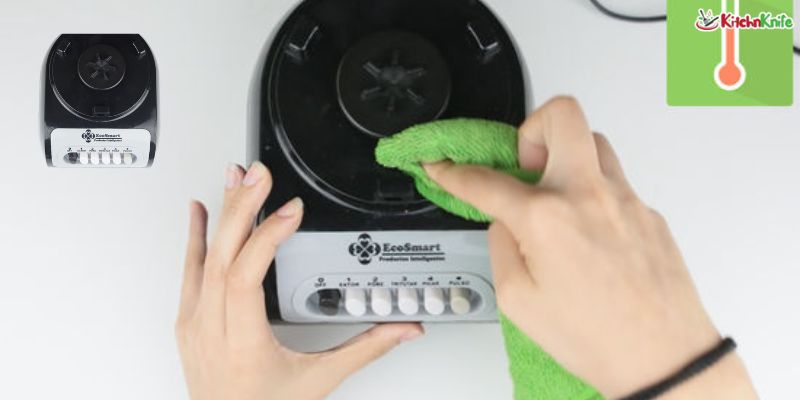
Step 3: Wipe down all outer surfaces of the blender base. Start from the top and work your way down.
Step 4: Pay close attention to the bottom edges and underside. Grease and food residue collect there.
Step 5: Use a damp cloth to rinse away any soap residue. Wipe again with a clean, dry towel.
Never submerge the blender base in water. The motor inside can be permanently damaged.
How to Clean Around the Buttons and Control Panel
The control panel collects the most buildup. Sticky residue hides between buttons and speed settings.
Use a toothbrush dipped in warm soapy water. Scrub gently around each button and dial. Apply light pressure.
For very tight spots, use a cotton swab. Dip it in soapy water and run it along the edges of each button.
If your blender has a touchpad or digital display, use a slightly damp cloth only. Do not let water seep under the panel.
Dry the control panel thoroughly before plugging the blender back in.
How to Remove Grease and Stubborn Stains
If regular soap does not remove stubborn grease, use white vinegar.
Mix equal parts water and white vinegar. Dampen a cloth with this solution. Rub it over the greasy area. Let it sit for two minutes. Then wipe it away with a clean cloth.
For tough stains on the plastic housing, try a paste of baking soda and water. Apply it with a soft cloth. Scrub gently in circles. Then wipe clean.
Baking soda is a mild abrasive. It lifts stains without scratching the surface.
Do not use bleach or harsh chemical cleaners. They can discolor the plastic and leave residue that is unsafe near food.
How to Deodorize the Blender Base
Sometimes the blender base develops an unpleasant smell. This often comes from trapped food particles near the bottom seal or from heat generated by the motor over time.
To remove odors:
- Wipe the base with a cloth soaked in white vinegar
- Let the vinegar sit for five minutes
- Wipe it off with a clean damp cloth
- Dry thoroughly
You can also place the blender base near an open window for thirty minutes after cleaning. Fresh air helps remove lingering smells.
How to Dry and Reassemble
Drying is just as important as cleaning.
Use a dry microfiber towel to wipe down all surfaces. Then let the blender base air dry for at least fifteen minutes before reassembling.
Do not put the blender jar back on a wet base. Moisture trapped under the jar can cause mold growth over time.
Once everything is dry, reassemble the blender. Place the jar on the base and make sure it locks in properly.
How Often Should You Deep Clean a Blender Base
Most people deep clean too rarely. Here is a simple schedule:
Weekly: Wipe the outer surface with a damp cloth after each use.
Monthly: Do a full deep clean including the control panel, underside, and corners.
Every three months: Disinfect with a diluted rubbing alcohol solution for extra hygiene.
If you use the blender daily, or if you blend oily or sticky ingredients often, clean the base more frequently.
Tips to Keep Your Blender Base Clean Longer
A few simple habits save you time later:
- Wipe the base immediately after each use
- Place a small silicone mat under the blender to catch spills
- Keep the blender away from the stovetop to reduce grease exposure
- Do not overfill the jar, as spills run down into the base
- Store the blender in a clean, dry spot when not in use
These small steps reduce the effort needed during deep cleaning sessions.
Final Thoughts
Cleaning the blender base is simple when you know the right steps. You do not need special products or tools. Dish soap, white vinegar, and a soft cloth are enough for most situations.
The key rules are always unplug first, never submerge the base in water, and dry everything thoroughly before using again.
A clean blender base lasts longer, works better, and keeps your kitchen more hygienic. Make it part of your regular kitchen cleaning routine.