
Last Updated on June 22, 2026 by Kathay Lee
You press the button. The blender runs. But the result is chunky, uneven, or barely mixed.
This is a common problem. And the good news is, it almost always has a simple fix.
In this guide, you will learn exactly why your blender is not blending smoothly and what you can do right now to fix it.
Too Much Food at Once
One of the most common mistakes is overfilling the blender jar.
When you add too much food, the blades cannot move freely. The ingredients at the bottom get crushed, but the ones at the top just sit there.
Fix: Fill the jar only halfway to two thirds full. Blend in smaller batches if needed.
This single change fixes the problem for many people.
Not Enough Liquid
Blenders need liquid to create a vortex. That spinning motion pulls ingredients down toward the blades.
Without enough liquid, dry or thick ingredients just sit there and spin around without getting blended.
Fix: Add at least half a cup of liquid, such as water, milk, juice, or broth. For smoothies, add liquid before adding solid ingredients.
Blades Are Dull or Worn Out
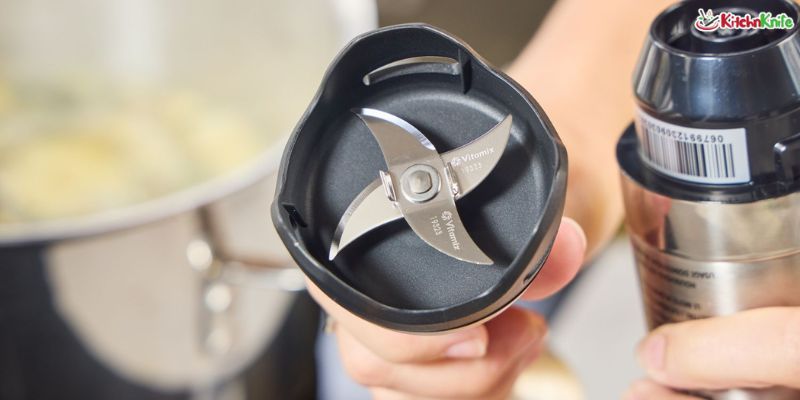
Blender blades do not last forever. Over time, they get dull from regular use, especially if you blend hard foods like ice, frozen fruit, or nuts.
Dull blades tear and push ingredients rather than cut through them. The result is an uneven, chunky blend.
Fix: Remove the blade assembly and inspect it. If the edges look chipped or rounded, it is time to replace the blades. Most brands sell replacement blade assemblies for under $20.
Wrong Blending Speed
Many people start on high speed right away. This does not always work.
Starting at high speed can create air pockets around the blades. The motor spins fast, but the food is not actually being processed.
Fix: Start at low speed and gradually increase to high. This technique, sometimes called pulse ramping, helps pull ingredients into the blades smoothly.
Frozen Ingredients Are Too Hard
Frozen fruits and vegetables straight from the freezer are very dense. A standard home blender may struggle to process them.
This is especially true for large frozen chunks of mango, banana, or berries.
Fix: Let frozen ingredients thaw for 5 to 10 minutes before blending. You can also break larger frozen pieces into smaller chunks before adding them to the jar.
Motor Overheating
If your blender stops mid blend or makes a burning smell, the motor may be overheating.
This happens when you run the blender continuously for too long, especially with thick mixtures.
Fix: Turn the blender off and let it rest for 5 to 10 minutes. Most modern blenders have a thermal protection switch that shuts the motor down to prevent damage. After resting, try again in shorter intervals.
If this happens often, your blender may not have enough power for your regular tasks.
Lid Not Sealed Properly
A loose or improperly sealed lid can cause air leaks. This disrupts the vacuum inside the blender jar, which affects how smoothly everything blends.
You may also notice splashing or food climbing up the sides of the jar without circulating.
Fix: Always press the lid down firmly before blending. Use the center cap on the lid to add ingredients mid blend without lifting the full lid.
Food Loaded in the Wrong Order
The order in which you add ingredients matters more than most people realize.
If you add solid, heavy foods first, they can block the blades from spinning. Liquids help the blades move and create the vortex needed for smooth blending.
The correct order to load a blender:
- Liquids first (water, milk, juice)
- Soft ingredients (yogurt, leafy greens)
- Frozen or hard ingredients (ice, frozen fruit)
- Powders (protein powder, spices) last
This order lets the liquid flow under the solids and pull them into the blades.
Quick Fix Checklist
If your blender is not blending smoothly, run through this list:
- Is the jar less than two thirds full?
- Did you add enough liquid?
- Are the blades sharp and not damaged?
- Did you start on low speed before going to high?
- Are frozen ingredients broken into small pieces?
- Is the lid sealed tightly?
- Did you load ingredients in the right order?
Checking all of these will solve the problem most of the time.
When to Replace Your Blender
Sometimes the blender itself is the problem. Signs that it may be time for a new one include:
- The motor is weak and stalls often
- The blades are cracked or badly worn and cannot be replaced
- The jar is cracked or leaks
- The blender overheats every time you use it
Entry level blenders often struggle with ice, thick smoothies, and nut butters. Upgrading to a high powered model with at least 1000 watts, such as a Vitamix, Blendtec, or Ninja Professional, can make a big difference.
Conclusion
A blender that does not blend smoothly is usually easy to fix. Most of the time, the issue comes down to overfilling, too little liquid, dull blades, or the wrong technique.
Try the fixes above one at a time. Start with the loading order and liquid levels. Those two changes alone solve most blending problems.
If the motor is weak or the blades cannot be replaced, investing in a quality blender will save you time and frustration in the long run.