
Last Updated on August 15, 2026 by Susanna Zuyeva
Choosing the right food storage container matters more than most people think. The material you use can affect your health, your food’s freshness, and even the planet. Glass storage containers have become the top pick for many home cooks and health-conscious families. Let’s explore why glass beats plastic in almost every way.
What Are Glass Storage Containers?
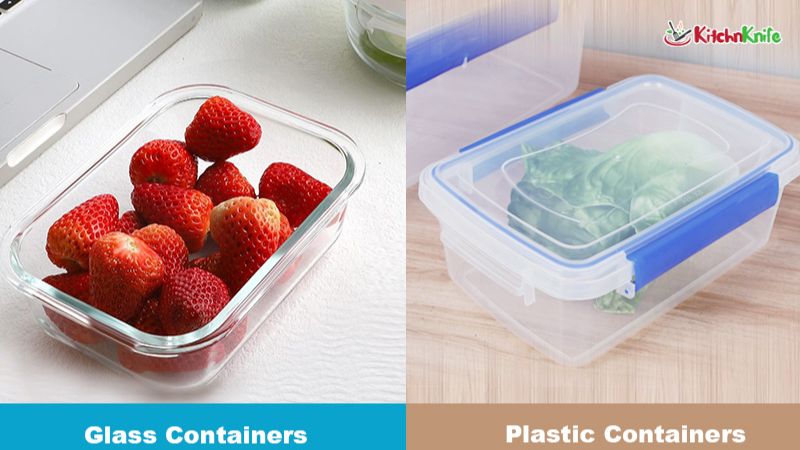
Glass storage containers are food-safe jars or boxes made from tempered or borosilicate glass. They often come with airtight lids made of plastic, silicone, or bamboo. You can use them to store leftovers, meal-prep meals, or pantry items like rice and pasta.
Unlike plastic, glass does not react with food. This simple fact makes it a safer and smarter choice.
Key Benefits of Glass Over Plastic
1. Health and Safety
Plastic containers often contain chemicals like BPA (Bisphenol A) and phthalates. These chemicals can leach into food, especially when heated. Studies link BPA exposure to hormone disruption and other health risks.
Glass has no such risk. It contains no harmful chemicals. You can heat, freeze, or wash glass without worrying about toxins entering your food.
2. Durability
Plastic containers wear out fast. They scratch, stain, and warp over time, especially after many trips through the microwave or dishwasher.
Glass containers last much longer. They resist scratches and stains. A quality glass container can last for years, even decades, with proper care.
3. Better Food Preservation
Glass is non-porous. This means it does not absorb food odors, oils, or colors. Your tomato sauce won’t turn your container red forever, and your container won’t smell like last week’s curry.
Glass also creates a tighter seal in many designs, which helps keep food fresher for longer. This reduces food waste and saves you money.
4. Eco-Friendly Choice
Plastic is a major source of pollution. Most plastic containers end up in landfills or oceans, where they take hundreds of years to break down.
Glass is different. It’s 100% recyclable and can be recycled endlessly without losing quality. Choosing glass supports a more sustainable lifestyle and reduces plastic waste.
5. Easy to Clean
Glass containers are simple to clean. You can toss them in the dishwasher without worry. They don’t hold onto grease or bacteria the way scratched plastic can.
This makes glass a more hygienic option for daily food storage.
When Plastic Might Still Work
Plastic isn’t always bad. It’s lightweight, affordable, and shatterproof. For travel, kids’ lunches, or outdoor activities, plastic may still be practical.
If you choose plastic, look for BPA-free labels and avoid heating food in plastic containers. This lowers your risk of chemical exposure.
Tips for Choosing Glass Containers
Here are a few tips to pick the best glass containers for your kitchen:
- Check for borosilicate glass. It resists heat and thermal shock better than regular glass.
- Look for airtight lids. Silicone-sealed lids keep food fresher and prevent leaks.
- Choose stackable designs. These save space in your fridge and pantry.
- Pick oven-safe options. Some glass containers can go straight from the fridge to the oven.
- Avoid containers with metal clasps if you plan to microwave food.
Conclusion
Glass storage containers offer clear advantages over plastic. They are safer, more durable, and better for the environment. While plastic still has its place for convenience, glass is the smarter long-term choice for most kitchens.
Switching to glass is a small change that can improve your health and reduce your environmental footprint. Start with a few containers, and you’ll likely never go back to plastic.