
Last Updated on August 26, 2026 by Kathay Lee
Garlic burns fast. One extra minute can turn sweet garlic into bitter, black bits. I have burned my share of garlic. Then I found small habits that stop it every time. This guide shares what works in my own kitchen.
Why Garlic Burns So Easily
Garlic is small. It has more surface for its size. Heat hits it fast. Sugar in garlic browns fast too. Go past brown, and you hit burnt. The line is thin.
Minced garlic burns faster than whole garlic cloves. Small bits have less mass. They heat up in seconds. This is why so many cooks scorch garlic right after it hits the pan.
The Core Rule: Heat Control
The main fix is heat. Most cooks use heat that is too high. Garlic does not need hot, blazing heat. It needs slow, steady heat.
Here is what I do each time:
- Start with medium heat, not high heat.
- Drop to low heat once garlic hits the pan.
- Watch the garlic, not the clock.
- Pull the pan off heat once it turns gold.
Garlic still cooks once you pull the pan. This is called carryover heat. Plan for it. Pull garlic just before it looks done.
Choose the Right Fat
Fat is as key as heat. I use olive oil most days. It has a mild taste. It coats garlic in a thin layer. That layer slows down heat.
Butter is a good choice too. It adds a rich taste. But butter burns fast. Watch it close. Or mix it with olive oil to help.
Some fat tips:
- Use enough oil or butter to coat the garlic.
- Never cook garlic in a dry pan.
- Add fat first. Let it warm up. Then add garlic.
- Swap in a neutral oil if you want a milder base taste.
A cold pan is a trap. It tricks cooks into adding garlic too soon. Wait for the fat to shimmer or melt first. Then add your garlic cloves.
Sautéing Garlic the Right Way
Sautéing is the top method. It also burns the most garlic. Here is a plan that works.
- Heat oil or butter over medium heat.
- Add minced garlic or sliced garlic cloves.
- Stir right away. Do not let it sit still.
- Cook for 30 to 60 seconds.
- Pull it off heat once it smells sweet and turns light gold.
Stirring is the key step most cooks skip. Garlic that sits still burns first in that spot. Keep it moving.
Pan Frying Whole Garlic Cloves
Pan frying works best with whole cloves or thick slices. This method uses more oil and more time.
Keep heat at medium or a bit less. Place whole cloves in the oil. Turn them a lot. Whole cloves take more time than minced garlic. They burn less too. They have less surface out at once.
Pull the cloves once they turn soft and light brown. They should smell sweet, not sharp.
Roasting Garlic Low and Slow
Roasting is a hands off way. It almost never burns garlic. Fresh garlic goes in a low oven. Wrap it in foil with a bit of oil.
Roasting uses low heat over a long time. This slow way tames the sharp bite of raw garlic. It turns cloves soft and sweet. Burn risk stays low since heat stays gentle.
This method is great when you want rich taste. You do not need to watch the stove.
Garlic Confit: A Foolproof Method
Garlic confit is my top way to cook a big batch at once. You place peeled cloves in olive oil. Then you cook them on very low heat for a long time.
The oil never gets hot enough to burn garlic. The cloves turn soft and mild. Leftover oil turns into garlic oil. You can use it for weeks.
Steps for garlic confit:
- Peel a full head of garlic.
- Cover cloves with oil in a small pot.
- Set your stove to its lowest heat.
- Cook for 45 minutes to an hour.
- Let the oil cool. Then store both in the fridge.
Browning vs. Burning
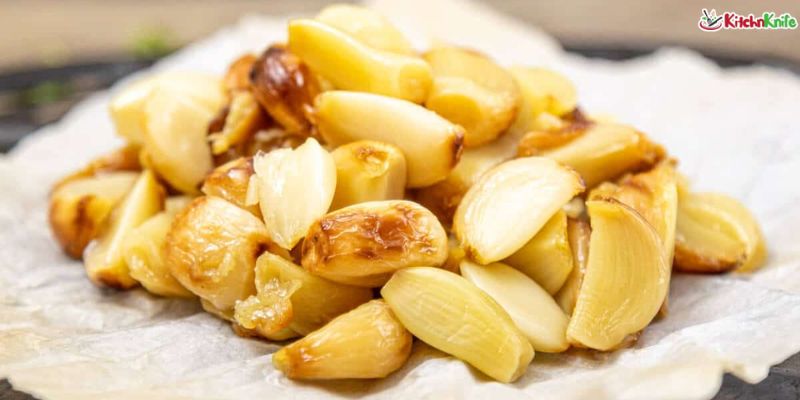
Brown is good. It builds taste through browning, or caramelization. This is when sugar turns gold and toasty. Burnt is bad. It makes a harsh taste that can ruin a dish.
Here is how to spot each stage:
| Stage | Color | Smell | Taste |
|---|---|---|---|
| Raw | White | Sharp | Sharp, hot |
| Browned | Light gold | Sweet | Rich, sweet |
| Burnt | Dark or black | Sharp, harsh | Bitter |
Once garlic turns dark or black, you can not fix it. The bitter taste spreads through the pan. At that point, start fresh.
Timing With Other Foods
Garlic burns most when it goes in the pan too soon. Onions need more time than garlic. If a dish needs both, cook onions first. Add garlic near the end.
A good order for stovetop cooking looks like this:
- Heat the oil.
- Add onions or other slow foods.
- Cook until soft.
- Add fresh or minced garlic last.
- Stir for 30 to 60 seconds. Then add more items.
This order keeps garlic safe from long, hard heat.
Deglazing to Save Your Pan
Garlic can stick to the pan and start to darken fast. Deglazing can help. Add a splash of wine, broth, or water to the hot pan. This lifts brown bits. It also stops the cook right away.
Deglazing pulls taste off the pan. That taste goes right in your sauce. This trick can save garlic that is close to burnt.
Finishing Touches
Once garlic cooks right, season it well. A pinch of salt and a crack of black pepper bring out its taste. Fresh parsley adds color and a clean note at the end.
Add these last touches off the heat. This keeps fresh taste bright.
My Final Tips
- Cut garlic right before you cook it. Fresh cuts hold more taste.
- Keep the pan moving as you cook.
- Use low heat ways like confit or roasting for a hands off result.
- Trust your nose. Burnt garlic smells sharp right away.
- When in doubt, pull the pan off heat. You can cook it more if you need.
Cooking garlic well is a skill, not luck. Learn to read the color and smell. Then you will get it right each time.
Frequently Asked Questions
What heat level is best for garlic? Medium heat or less works best. High heat burns the outside. The inside is still raw.
How long does minced garlic take to cook? It cooks in 30 to 60 seconds on medium heat. Watch it close. Stir the whole time.
Can burnt garlic be fixed? No. Once it turns dark or black, the taste stays bitter. Toss it and start fresh.
Is olive oil or butter best for garlic? Olive oil gives more room for error. Butter tastes rich but burns fast. It needs close watch.
Why does my garlic burn before my onions finish? Garlic cooks much faster than onions. Add garlic near the end, once onions turn soft.
What is garlic confit? It is garlic cooked slow in oil on low heat. This makes it soft and sweet. It rarely burns.
Does roasting burn garlic? Roasting rarely burns garlic. The oven gives slow, even heat. This lets garlic cook with no scorch.