
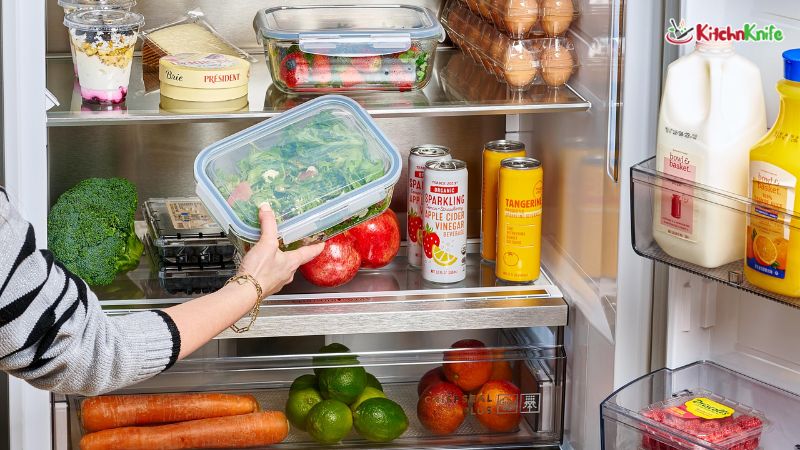
Glass food storage containers are a popular kitchen choice. They look clean. They last long. But many people ask one question. Are they really safe for the freezer and fridge?
The short answer is yes. Large glass containers are safe for both freezer and refrigerator use. But you need to follow a few simple rules. This guide explains everything you need to know.
Are Glass Containers Freezer-Safe?
Yes, most glass food storage containers are freezer-safe. They are made from tempered or borosilicate glass. This type of glass resists cracking from cold temperatures.
However, not all glass is the same. Cheap or old glass containers may not handle extreme cold well. Always check the label. Look for words like “freezer-safe” or “tempered glass.”
Are Glass Containers Fridge-Safe?
Glass containers are perfect for the refrigerator. They do not absorb smells or stains. They keep food fresh longer than many plastic options. Glass also does not react with acidic foods like tomatoes or citrus.
You can store leftovers, sauces, soups, and salads in glass without worry. The fridge temperature is mild, so there is very little risk of cracking.
Why Glass Containers Crack in the Freezer
Glass rarely fails on its own. Most cracks happen due to user error. Here are the main causes:
- Filling too full: Liquids expand when frozen. This creates pressure on the glass.
- Sudden temperature change: Moving glass from freezer to hot water can cause thermal shock.
- Tight lids: A sealed lid can trap expanding air and crack the glass.
- Low-quality glass: Non-tempered glass is more fragile.
Understanding these causes helps you avoid costly mistakes.
Tips for Safe Freezer Storage
Follow these simple steps to keep your glass containers safe in the freezer:
- Leave headspace. Fill containers only 80% full. This gives liquid room to expand.
- Cool food first. Never put hot food directly into the freezer. Let it reach room temperature first.
- Loosen the lid. Keep the lid slightly open until the food is fully frozen. Then seal it tight.
- Use tempered glass. Choose containers labeled “freezer-safe” for best results.
- Avoid quick temperature shifts. Thaw food in the fridge, not under hot water.
These small habits protect your containers and your food.
Tips for Safe Fridge Storage
The fridge is much gentler on glass. Still, a few tips help:
- Store containers on flat, stable shelves.
- Avoid stacking heavy items on top of glass lids.
- Check lids regularly for cracks or wear.
- Clean containers with mild soap to avoid buildup.
Glass containers can last for years in the fridge with proper care.
Glass vs Plastic Containers
Many people compare glass to plastic. Here is a quick look:
| Feature | Glass | Plastic |
|---|---|---|
| Freezer-safe | Yes (if tempered) | Yes |
| Fridge-safe | Yes | Yes |
| Stains and odors | Resistant | Absorbs easily |
| Microwave-safe | Yes | Depends on type |
| Durability | Long-lasting | Wears out faster |
| Risk of cracking | Low, if used right | None |
Glass wins in durability and food safety. Plastic wins in weight and low breakage risk. Your choice depends on personal needs.
Final Verdict
Large glass food storage containers are safe for both the freezer and refrigerator. They are strong, non-toxic, and long-lasting. The key is proper use.
Leave space for expansion. Avoid sudden temperature changes. Choose tempered glass. Follow these steps, and your containers will serve you well for years.
Glass remains one of the smartest choices for modern kitchens. It is safe, eco-friendly, and built to last.