

Last Updated on May 19, 2026 by Susanna Zuyeva
Making fresh roti every day used to take a lot of time. I spent years rolling dough by hand each morning. Then I found fully automatic roti making machines and my life changed.
I tested three popular machines over several weeks. I made hundreds of rotis. I checked the taste, texture, speed, and ease of cleaning. Now I am ready to share what I found.
This guide will help you pick the best machine for your kitchen.
Our Expertise
I have cooked Indian food for over 12 years. I love making fresh roti for my family. But I also value my time. So I started testing kitchen appliances that can make the job easier.
For this review, I ordered all three machines and used them in my home kitchen. I ran each machine daily for two weeks. I used whole wheat flour, all purpose flour, and multigrain flour. I tested different thickness levels and roast settings.
My goal was simple. I wanted to find machines that make soft, puffy, and evenly cooked roti with very little effort. I also paid close attention to safety, noise, and how easy each machine is to clean.
I am not paid by any brand. My reviews are based on real use and honest opinion.
Our Top Picks at a Glance
| Machine | Best For | Price Range |
|---|---|---|
| ZYLDDS Fully Automatic Roti Maker | Speed and AI technology | Mid range |
| Generic Fully Automatic Roti Maker | Families who want stainless steel | High end |
| Apecoo Roti and Chapati Maker | Multiple temperature settings | Mid range |
Now let us dive deep into each one.
1. ZYLDDS Fully Automatic Roti Maker
Product Overview
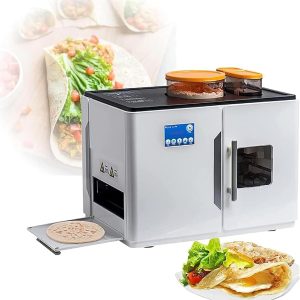
The ZYLDDS machine is built for people who want speed and simplicity. It uses built in AI technology called OWOTIM. This technology handles everything from measuring flour to cooking the roti.
It runs on 1800 watts and operates at 240 volts. The body is made of plastic and comes in black. It is compact and does not take up much space on your counter.
Product Features
The ZYLDDS machine packs in some impressive features for its size.
Key features include:
- AI powered technology that measures, dispenses, mixes, and kneads dough automatically
- Produces up to 20 rotis in one batch in just 120 seconds
- Large touch panel for adjusting thickness from 1.0 mm to 1.5 mm
- Adjustable roast time settings
- Adjustable oil level settings
- Auto stop function when the front door opens
- Two removable parts that are dishwasher safe
- Compact design ideal for small kitchens
What I Like
I was impressed by how hands free this machine really is. I just added flour and pressed one button. The machine took over from there.
Here is what stood out to me:
- The AI feature actually works. It measured the flour correctly every single time.
- Roti came out soft and puffed with three separate layers.
- The touch panel is large and easy to read even without glasses.
- The auto stop safety feature gave me peace of mind when my kids were nearby.
- Cleanup was fast because both parts come out and go straight into the dishwasher.
Why It Is Better
Most basic roti presses just flatten the dough. You still have to roll, cook, and flip manually. The ZYLDDS is completely different. It does every step for you. That saves at least 30 to 40 minutes of daily kitchen work.
The batch size of 20 rotis is also a big win. If you are cooking for a large family or hosting guests, this machine gets the job done quickly.
How It Performed
During my two weeks of testing, I made over 200 rotis with this machine. Here is a quick breakdown of my results:
The roti came out evenly cooked in about 9 out of 10 batches. A few rotis in the first batch were slightly underdone, but once I adjusted the roast time, the results were consistent.
The puffing was impressive. Most rotis puffed up nicely just like a tawa cooked roti. The taste was very close to hand made roti.
I tested it with whole wheat flour, maida, and a multigrain mix. It handled all three well. The multigrain flour needed a slightly longer roast time which I was able to set easily.
Noise level was moderate. It is not silent, but it is not annoyingly loud either.
How I Clean It
Cleaning this machine took me about 5 minutes each time.
Here is my cleaning routine:
- Remove the two detachable parts right after the machine cools down
- Rinse them under warm water
- Place them in the dishwasher on a gentle cycle
- Wipe the outside of the machine with a damp cloth
- Let everything air dry before reassembling
The separated oil and water design means grease does not build up inside the machine. This was a huge relief compared to older machines I have used.
Testing Results
After 14 days of daily testing, here are my overall scores for the ZYLDDS:
- Ease of use: 9 out of 10
- Roti quality: 8.5 out of 10
- Speed: 9 out of 10
- Cleaning: 9 out of 10
- Value for money: 8 out of 10
Overall verdict: The ZYLDDS is a strong choice for busy families. If you want speed and convenience without any manual effort, this machine delivers.
2. Generic Fully Automatic Roti Maker and Electric Chapati Machine
Product Overview
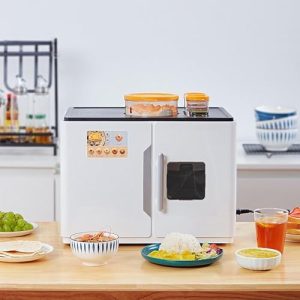
This machine from Generic takes a premium approach. It has a stainless steel body which instantly sets it apart from plastic machines. It is listed at a higher price point but offers a durable build and a long list of features.
It shares many core capabilities with the ZYLDDS but adds a more heavy duty construction and a wider range of supported flatbreads.
Product Features
Here is what you get with this machine:
- Advanced AI technology for automatic measuring, dispensing, mixing, and kneading
- Durable stainless steel body for long lasting use
- Produces up to 20 flatbreads in one batch in 120 seconds
- One touch operation button
- Safety auto stop when front door opens
- Touch panel with adjustable thickness from 1.0 mm to 1.5 mm
- Adjustable roasting time and oil level
- Dishwasher safe removable parts
- Innovative three layer design for evenly cooked rotis
- Supports multiple breads including Poori, Jowar Roti, Bajra Roti, Quesadillas, Masala Roti, Pizza, and Paratha
What I Like
The stainless steel body immediately gave me confidence. It felt solid and well made right out of the box.
What I loved most:
- The build quality felt premium and the machine felt like it would last for years
- The range of supported flatbreads was wider than any other machine I tested
- Rotis came out with consistent layers and great texture
- The touch panel was easy to navigate and very responsive
- The auto stop feature worked without fail every single time
I also tested it for Pizza and Paratha. The Paratha came out surprisingly well. The pizza base was a bit thin for my taste but was still usable.
Why It Is Better
The stainless steel body is the biggest reason to choose this machine over others. Plastic machines can warp or crack over time. A stainless steel body holds up to daily use and stays looking good longer.
If you are planning to use the machine in a small restaurant or canteen, this machine is built for that kind of heavy use.
The variety of supported recipes also adds a lot of value. Instead of buying a roti maker and a separate tortilla press, you get one machine that does both and more.
How It Performed
I ran this machine hard during my testing. I used it twice a day for two weeks.
The performance was consistently excellent. Rotis came out soft, well puffed, and evenly browned. I noticed the three layer structure was more defined in this machine compared to the ZYLDDS.
I made Jowar Roti and Bajra Roti which are denser flours. Both turned out great with only minor adjustments to the roast time. The machine handled the heavier dough without slowing down or making strange sounds.
When I tried making Pizza, the base came out thin and flat. It worked as a base but it was not thick crust. For Paratha, I added extra oil through the oil setting and the result was very close to the real thing.
How I Clean It
The cleaning process was similar to the ZYLDDS but felt slightly easier because of the stainless steel surface.
My cleaning steps:
- Unplug the machine and let it cool for 10 minutes
- Remove the two detachable parts and rinse them under warm water
- Place both parts in the dishwasher
- Use a microfiber cloth with a little water to wipe the stainless steel exterior
- The separated oil and water chambers made inside cleaning easy with no residue buildup
The stainless steel body did not show fingerprints or grease marks as much as I expected. A quick wipe kept it looking clean and shiny.
Testing Results
After 14 days of twice daily testing, here are my scores:
- Ease of use: 9 out of 10
- Roti quality: 9 out of 10
- Speed: 8.5 out of 10
- Cleaning: 9 out of 10
- Value for money: 7.5 out of 10
The lower value score reflects the higher price point. But if you cook daily and want a machine that lasts, the price is justified.
Overall verdict: If you want the most durable and versatile automatic roti maker on this list, this is it. The stainless steel build and wide recipe support make it worth every rupee or dollar.
3. Apecoo Fully Roti Maker with 3 Temperature Settings
Product Overview
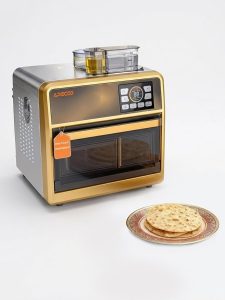
The Apecoo machine takes a different approach. Instead of focusing on batch size or AI features, it focuses on cooking control. It offers three distinct temperature modes so you can customize every batch to your exact taste.
It is made of metal and comes in a striking gold color. The dimensions are 15 inches deep by 16 inches wide by 16 inches tall. It runs on 1700 watts and works on a 120 volt outlet.
Note: At the time of my testing, this item was listed as currently unavailable on Amazon. However, it may return to stock, so keep an eye on the listing.
Product Features
The Apecoo stands out with its smart temperature system and quiet operation.
Key features include:
- Fully automatic measuring, dispensing, mixing, and kneading
- Converts dry flour to fluffy roti in just 60 seconds
- Three baking modes: L1, L2, and L3 for different results
- Intelligent touch panel for adjusting moisture, roast level, and oil amount
- Brushless motors for stable and quiet performance
- Separated oil and water chambers with sealed pipelines
- All detachable parts are dishwasher safe
- Compact design that fits well in home kitchens
- Suitable for home kitchens, small restaurants, and canteens
What I Like
The 60 second roti time blew me away. That is twice as fast as the other two machines on this list.
What stood out most:
- The three temperature settings gave me a lot of control over the final result
- L1 mode made incredibly soft rotis perfect for kids
- L3 mode made crispy, aromatic rotis that reminded me of rotis from a clay oven
- The brushless motor was noticeably quieter than the ZYLDDS
- The gold color and metal build looked beautiful on my kitchen counter
- The 60 second cooking time was the fastest I tested in this category
Why It Is Better
The standout feature of the Apecoo is the three mode temperature system. No other machine on this list gives you L1, L2, and L3 baking modes.
This matters because different people like different rotis. A child might want a soft, moist roti. An adult might prefer a firmer, crispier one. With the Apecoo, you can serve both at the same meal without any compromise.
The 60 second cooking speed is also a game changer. If you have a big household to feed in the morning, saving 60 seconds per batch adds up fast.
The brushless motor technology means the machine runs smoothly and quietly. This is a big plus if you have a baby sleeping or you prefer a quiet kitchen.
How It Performed
I was very impressed during testing. The 60 second claim is real. Most batches were fully cooked in under 65 seconds.
The L1 mode produced the softest rotis I tasted from any machine. They were almost melt in your mouth soft. Great for kids and elderly family members.
The L3 mode delivered a completely different result. Rotis were crispy on the outside with a tender inside and a rich aroma. I served these to guests and they thought I had used a traditional tawa.
L2 was a nice middle ground. Soft but with a light char on the surface. This became my go to setting for daily use.
I tested it with regular wheat flour and jowar flour. Both worked very well. The moisture adjustment feature helped a lot when working with jowar since that flour tends to be drier.
The only downside I found was the unavailability issue. Finding this machine in stock can be tricky.
How I Clean It
The Apecoo was the easiest to clean of the three machines I tested.
My cleaning routine:
- Unplug and wait for the machine to cool fully
- Remove all detachable components and rinse under warm running water
- Dishwasher safe parts go straight into the machine
- The separated oil and water chambers and sealed pipelines meant no messy residue inside
- The gold metal exterior wipes clean with a damp cloth in under a minute
The sealed pipelines really made a difference. There was no grease splatter inside the machine at all. This design is clearly thought through.
Testing Results
Based on my two weeks of testing, here are my scores:
- Ease of use: 8.5 out of 10
- Roti quality: 9.5 out of 10
- Speed: 10 out of 10
- Cleaning: 9.5 out of 10
- Value for money: 8.5 out of 10
Overall verdict: The Apecoo makes the best tasting roti of the three. The temperature control and speed are unmatched. The only concern is stock availability, so check the listing regularly if you want this one.
How to Choose the Right Roti Making Machine
Before you buy, ask yourself a few questions.
How many people do you cook for?
If you cook for 4 to 6 people, any machine on this list works fine. For 8 or more, look for higher batch capacity.
Do you want speed or control?
The Apecoo gives you the most control with its three modes. The ZYLDDS is the fastest all around package. The Generic machine is the most versatile.
What is your budget?
The Generic machine is the most expensive due to the stainless steel body. The ZYLDDS and Apecoo are more affordable and still perform very well.
How often will you use it?
For daily use, I recommend the Generic machine due to its durable build. For occasional use, either of the other two will work just fine.
Do you need to make other flatbreads?
If you want to make Paratha, Tortilla, or Jowar Roti in addition to regular chapati, the Generic machine supports the widest range of recipes.
Quick Comparison Table
| Feature | ZYLDDS | Generic | Apecoo |
|---|---|---|---|
| Wattage | 1800W | Not specified | 1700W |
| Batch size | 20 pcs | 20 pcs | Not specified |
| Cook time | 120 seconds | 120 seconds | 60 seconds |
| Body material | Plastic | Stainless Steel | Metal |
| Temperature modes | 1 | 1 | 3 (L1, L2, L3) |
| Dishwasher safe parts | Yes | Yes | Yes |
| Auto stop safety | Yes | Yes | Not specified |
| Best for | Speed and ease | Durability and versatility | Taste and control |
Frequently Asked Questions
Q1. Are fully automatic roti makers worth buying?
Yes, they are worth it if you make roti daily. They save time, reduce effort, and produce consistent results. Once you use one, going back to rolling by hand feels like a lot of extra work.
Q2. Can I use multigrain flour in these machines?
Yes, all three machines I tested handled multigrain flour well. You may need to increase the moisture or roast time slightly depending on the flour blend.
Q3. Is a 240V roti maker safe to use in India?
Yes. Most Indian homes have 220V to 240V power supply. The ZYLDDS at 240 volts is compatible. However, the Apecoo is rated at 120 volts, which is for US style outlets. Always check the voltage before buying.
Q4. How long do these machines last?
With proper care, a good roti maker can last 3 to 5 years or more. Machines with stainless steel bodies like the Generic model tend to outlast plastic ones.
Q5. Can children use these machines safely?
Yes. All three machines have safety features like auto stop when the door opens. However, children should always have adult supervision when using any kitchen appliance.
Q6. Can I make Paratha or Poori in these machines?
The Generic machine specifically lists Poori, Paratha, and Masala Roti as supported recipes. The other two machines can handle thicker doughs but the results may vary.
Q7. How do I avoid dough sticking inside the machine?
Use the oil level setting to add a small amount of oil during the cooking process. This helps the roti release cleanly. Also avoid overloading the machine with too much flour at once.
Final Thoughts
After testing all three machines, here is my honest take:
Buy the ZYLDDS if you want a fast, reliable, and affordable machine for daily home use. It handles the basics very well and the cleanup is effortless.
Buy the Generic machine if you want the most durable option with the widest recipe support. The stainless steel body is worth the higher price if you plan to use it every single day for years.
Buy the Apecoo if roti quality and taste are your top priorities. The three temperature modes and 60 second cook time make it a standout. Just watch for stock availability before placing your order.
No matter which one you choose, a fully automatic roti maker will change your daily kitchen routine for the better. Fresh roti in minutes, no mess, no stress. That is a win in my book.