
Last Updated on June 13, 2026 by Kathay Lee
Your kitchen is one of the busiest rooms in your home. It is also where germs spread fast. Raw meat, spills, and dirty hands can leave bacteria on counters, sinks, and cutting boards. Disinfecting these surfaces the right way keeps your family safe and healthy.
This guide shows you simple, safe steps to disinfect your kitchen in 2026. No harsh fumes. No guesswork. Just clear, easy actions anyone can follow.
Cleaning vs Disinfecting: Know the Difference
Many people think cleaning and disinfecting are the same. They are not.
- Cleaning removes dirt, food, and grease using soap and water.
- Disinfecting kills germs like bacteria and viruses using a chemical solution.
You should always clean a surface first. Disinfectants work best on a surface that is already free of grime. Skipping this step makes disinfecting less effective.
Tools and Products You Need
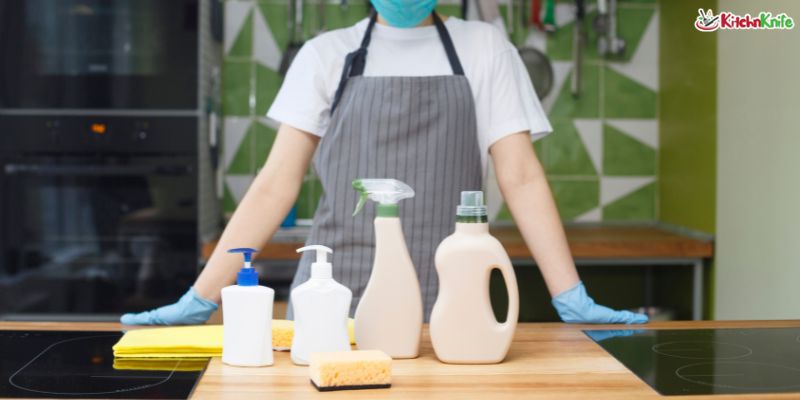
Before you start, gather these basics:
- Dish soap and warm water
- Microfiber cloths or paper towels
- A disinfectant spray or wipes (check the label for EPA approval)
- Rubber gloves
- A spray bottle (for homemade solutions)
Choose products made for kitchen use. Always read the label for safety warnings and contact time, which is how long the disinfectant must stay wet on the surface to work.
Step by Step Guide to Disinfecting Surfaces
1. Clear the Surface
Remove dishes, food, and clutter. You need a clean, open space to work.
2. Clean First
Wipe down the surface with soap and warm water. This removes visible dirt and grease. Rinse with a clean, damp cloth.
3. Apply the Disinfectant
Spray or wipe the disinfectant evenly across the surface. Make sure to cover every inch, including corners and edges.
4. Let It Sit
Check the product label for contact time. Most disinfectants need to stay wet for 1 to 10 minutes to kill germs effectively. Do not wipe it off too soon.
5. Wipe or Air Dry
After the contact time, wipe the surface with a clean cloth or let it air dry. This step removes any leftover residue.
6. Wash Your Hands
Always wash your hands after handling cleaning chemicals, even if you wore gloves.
Safety Tips When Using Disinfectants
Disinfectants are powerful, but they can also be risky if misused. Follow these tips:
- Never mix chemicals. Mixing bleach with ammonia or vinegar creates toxic fumes.
- Ventilate the room. Open a window or turn on a fan while cleaning.
- Store products safely. Keep disinfectants away from children and pets, and out of reach of food.
- Use the right amount. More product does not mean better results. Follow the label instructions.
- Avoid using disinfectants on food prep areas right before cooking unless the label says it is food safe.
Natural Alternatives for Safer Cleaning
If you prefer fewer chemicals, some natural options can help reduce germs:
- White vinegar can cut through grease and mild bacteria, though it is not a registered disinfectant.
- Hydrogen peroxide (3 percent) can disinfect some surfaces when left for several minutes.
- Baking soda works well for scrubbing without scratching.
Keep in mind that natural products may not kill all germs as effectively as EPA registered disinfectants. For high risk areas like cutting boards after raw meat, a proper disinfectant is the safer choice.
Common Mistakes to Avoid
Even careful people make these errors:
- Skipping the cleaning step before disinfecting.
- Wiping off disinfectant too fast, before it has time to work.
- Using the same cloth for raw meat areas and other surfaces.
- Forgetting high touch spots like fridge handles, faucet knobs, and light switches.
- Storing chemicals near food or spices.
Small changes in habit can make a big difference in keeping your kitchen germ free.
Final Thoughts
Disinfecting your kitchen does not need to be complicated. Clean first, disinfect second, and always follow product instructions for safety and effectiveness. With the right tools and a simple routine, you can protect your family from harmful bacteria and viruses every day.
A safe kitchen starts with small, consistent habits. Make disinfecting part of your daily routine, and your home will be a healthier place for everyone.