
Last Updated on June 24, 2026 by Kathay Lee
Why Blender Jars Get Stained
Blender jars take a lot of daily abuse. Tomatoes, turmeric, berries, and leafy greens all leave behind color and residue. Over time, these build up and become hard to clean with just water.
The material of your jar matters too. Plastic jars scratch easily and hold pigment deep inside the surface. Glass jars are more stain resistant but still collect cloudiness and grease over time.
Understanding the cause helps you pick the right fix.
What You Need Before You Start
You probably already have everything at home:
- Baking soda
- White vinegar
- Dish soap (grease cutting formula works best)
- Fresh lemon or lemon juice
- Coarse salt
- Hydrogen peroxide (optional, for deep stains)
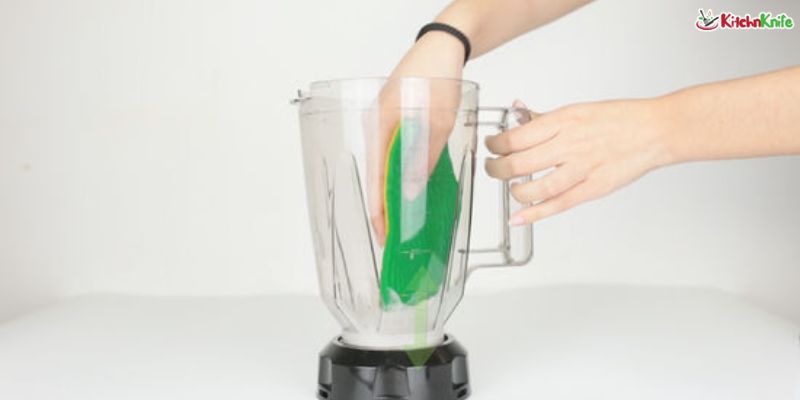
- A soft bottle brush or sponge
- Warm water
Do not use harsh abrasive scrubbers on plastic jars. They create micro scratches that trap more stains later.
Best Methods to Remove Stains From a Blender Jar
1. Baking Soda and Dish Soap
This is the most popular and safest method.
Steps:
- Add one tablespoon of baking soda to the jar.
- Add a few drops of dish soap.
- Fill halfway with warm water.
- Put the lid on and blend for 30 to 60 seconds.
- Rinse well with warm water.
Baking soda is a mild abrasive. It lifts stains without scratching the jar surface. This works great for turmeric, berry, and tomato stains.
2. White Vinegar Soak
White vinegar breaks down mineral deposits and organic stains. It works well on cloudy or discolored plastic.
Steps:
- Mix equal parts white vinegar and warm water.
- Pour into the blender jar and let it soak for 30 minutes.
- Rinse and wash with dish soap.
- Repeat if needed.
Vinegar is also a natural deodorizer. It removes bad smells that linger after blending garlic, onion, or fish.
3. Lemon and Salt Scrub
This method is great for light surface stains and odors.
Steps:
- Cut a lemon in half.
- Sprinkle coarse salt on the cut side.
- Scrub the inside of the jar directly with the lemon.
- Let it sit for 10 minutes.
- Rinse with warm water.
The citric acid in lemon breaks down stain pigments. The salt acts as a gentle scrub. This method is completely natural and food safe.
4. Hydrogen Peroxide (For Tough Stains)
For stubborn stains that nothing else removes, hydrogen peroxide (3% solution) works very well.
Steps:
- Pour enough hydrogen peroxide to cover the stained area.
- Let it sit for 15 to 20 minutes.
- Scrub lightly with a soft brush.
- Rinse thoroughly with clean water.
Always rinse the jar completely after using hydrogen peroxide. Do not blend food immediately. Rinse at least two or three times.
5. Warm Water and Dish Soap Blend Method
This is the easiest everyday cleaning method. Use it right after blending to stop stains from setting.
Steps:
- Add warm water and two drops of dish soap to the jar immediately after use.
- Place the lid on and blend for 20 to 30 seconds.
- Rinse well.
This takes only 60 seconds. It prevents stains from hardening and cuts your deep cleaning time in half.
How to Remove Cloudiness From Plastic Blender Jars
Cloudiness is different from staining. It comes from mineral buildup in hard water or from using the dishwasher too often.
To fix cloudiness:
- Soak the jar in undiluted white vinegar for one hour.
- Rinse and dry with a soft cloth.
If the cloudiness is due to deep scratches, the jar may be too worn to restore. In that case, replacing the jar is the safest option, especially if you blend frequently.
Tips to Prevent Future Stains
Prevention saves you time and effort.
- Rinse your blender immediately after each use. Do not let food sit inside.
- Use the quick blend and rinse method every day.
- Avoid blending turmeric or beet without rinsing soon after.
- Hand wash plastic jars instead of using the dishwasher. High heat causes plastic to degrade and stain faster.
- Dry the jar completely before storing to prevent mold and odor buildup.
Frequently Asked Questions
Can I use bleach to clean my blender jar? No. Bleach is too harsh for plastic jars. It can damage the material and leave behind harmful residue. Stick to natural cleaning agents.
How often should I deep clean my blender jar? Once a week is ideal if you use your blender daily. Quick rinse cleanings should happen after every use.
Why does my blender jar still smell after washing? Odors from garlic, fish, or onion can linger. Soak the jar in white vinegar for 30 minutes or blend lemon juice with warm water to neutralize the smell.
Is it safe to blend cleaning solutions in my blender? Yes, as long as you use food safe ingredients like baking soda, dish soap, or lemon juice. Always rinse thoroughly before using the blender for food again.
Final Thoughts
Removing stains from a blender jar does not require expensive cleaners. Simple ingredients like baking soda, white vinegar, and lemon handle most stains with ease.
The key is acting fast. Clean your blender right after use and you will rarely need to do a deep clean. If stains have already built up, any of the methods above will get your jar looking fresh again.
A clean blender is a healthier blender. Try one of these methods today and see the difference in minutes.