
Last Updated on July 13, 2026 by Susanna Zuyeva
Overcooking means you cook food too long. Heat keeps working on your food. It dries out meat. It makes fish tough. It turns veggies soft and dull.
I have burned my share of meals. I know the signs well. This guide will help you spot them too.
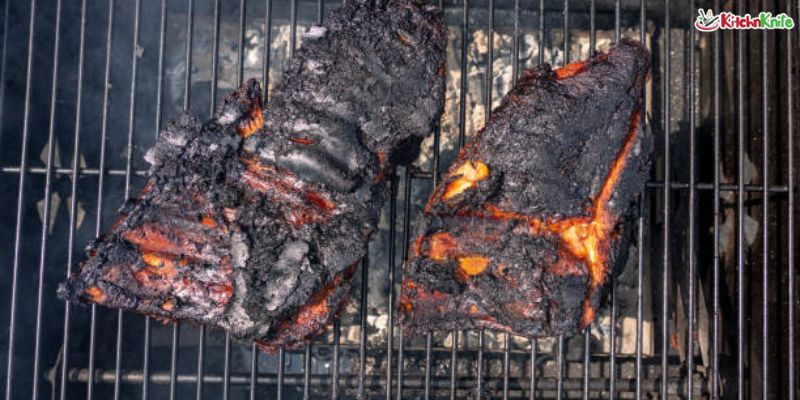
Overcooking is not the same as burning. Burnt food turns black. It tastes bitter. Overcooked food can still look fine. But the inside has lost its juice. It has lost its bite too.
Why Does Overcooking Happen?
Heat pulls water out of food. A little heat is good. It makes food safe to eat. Too much heat pulls out water fast. The food turns dry. It turns tough.
Cooks overcook meals for many reasons:
- The stove runs hotter than the dial shows.
- The cook guesses instead of using a timer.
- The pan sits on high heat too long.
- The cook skips early checks for the food.
- Small tasks pull focus away from the pot.
- The cook trusts an old recipe with a bad time.
I test many meals in my own kitchen. I found one main cause. Most cooks wait too long to check their food. They trust the clock more than their eyes.
Signs Your Food Is Overcooked
You can spot overcooked food with your eyes. You can use your nose too. You can use a fork. Watch for these signs:
- Meat feels stiff. A soft steak turns hard. It gets chewy too.
- Fish falls apart in dry bits. Fresh fish should look moist and shiny.
- Veggies turn gray or brown. Bright color fades with too much heat.
- Food smells flat. Fresh food has a clean smell. Old, dry food does not.
- Juices run thin. Good meat holds thick, pink juice inside.
- The texture feels dry. Your fork should slide with ease, not push hard.
How Overcooking Affects Different Foods
Not all foods react the same way to heat. Let’s look at each one on its own.
Steak
A good steak stays juicy in the middle. An overcooked steak turns gray all through. The muscle grips tight. It pushes out the juice. This leaves a dry, tough bite.
Use a meat thermometer. It gives the best result each time. Pull your steak off the heat a bit early. The steak keeps cooking as it rests on the plate.
Fish
Fish cooks fast. It has thin muscle. It has little fat too. A few extra minutes can ruin it fast.
Overcooked fish turns dry. It falls apart into dry, tough flakes. Good fish should flake with ease. But it should still feel moist and soft. Fish overcooks fast. It often looks done well before it is truly done.
Vegetables
Vegetables lose their crunch with too much heat. They also lose their bright color fast. Overcooked veggies turn soft and dull. Long cook times can drain their nutrients too. This makes them less healthy on your plate.
Steam or boil your veggies for a short time. Check them early and often. Green beans should stay bright green, not turn gray or brown.
Cooking Methods and Overcooking Risk
Some ways to cook raise the risk more than others.
Steam
Steam cooks food fast. It cooks food evenly too. But steam can still overcook food if you wait too long. Set a timer for each dish. Check your food one minute before the timer ends.
Sous Vide
Sous vide holds food at one set heat in a warm water bath. This method lowers the risk with meat. It gives you tight control over the heat. But food can still overcook. This happens if you leave it in the bath too long.
High Heat Grilling
Grills and hot pans cook food fast on the outside. This can trick you. The outside looks done fast. But the inside may still need more time to cook. Or the outside burns while you wait for the middle.
How to Prevent Overcooking
You can stop overcooking with a few simple steps. Try these tips in your next meal.
- Use a timer each time. Do not trust your memory alone.
- Buy a meat thermometer. It takes out the guesswork for you.
- Check food early and often. Look, smell, and taste as you cook.
- Turn down your heat. Slow heat gives you more control.
- Rest your meat. Pull it off the heat before it looks fully done.
- Learn your stove. Each stove runs a bit unlike the next.
- Slice to check. A quick cut can show you the true color inside.
I use a thermometer for each piece of meat I cook. This one step cut my mistakes by a wide margin. It is now my most used tool.
Overcooking in Cooking Games
The word overcooking is not just a kitchen term. It is also the name of a fun cooking game. In the game Overcooked, players race the clock. They cook and serve meals in wild, busy kitchens. The name plays on a real kitchen problem that most cooks know well. It turns a real mistake into fun for players and their friends.
Common Mistakes That Lead to Overcooking
Even careful cooks fall into these traps:
- Walking away from the stove for too long.
- Using high heat for the whole cook time.
- Skipping the rest step for meat.
- Not testing food before it gets served.
- Using old recipes with the wrong cook times.
- Cooking too many dishes at the same time.
Frequently Asked Questions
What is the main cause of overcooking? Too much heat for too much time causes it. Cooks often leave food on the heat past the right point.
Can you fix overcooked meat? You cannot fully fix dry meat. But you can add sauce or broth. This step brings back some moisture.
Does overcooking harm nutrients? Yes, it can. Long cook times can lower the vitamins in food. This is most true for veggies.
How do I know when fish is done, not overcooked? Fish is done when it flakes with ease. It should still look moist. Check it one minute early to be safe.
Is overcooked food safe to eat? Yes, it is safe to eat. It just tastes dry and tough. Burnt food is a different problem. It can be unsafe to eat.
What tool helps the most to stop overcooking? A meat thermometer helps the most. It gives you a fast, clear check. It takes out the guesswork for good.
Final Thoughts
Overcooking is a common kitchen mistake. It happens to new cooks. It happens to expert cooks too. The fix is simple and clear. Watch your heat closely. Set a timer each time. Check your food early and often. Rest your meat before you cut it open.
I have cooked many meals in my own kitchen over the years. I learned one big lesson from all that time. Less time on the heat often makes better food than more time. Trust your tools. Trust your senses too. Check your food before you think it is ready to serve.