
Last Updated on June 9, 2026 by Kathay Lee
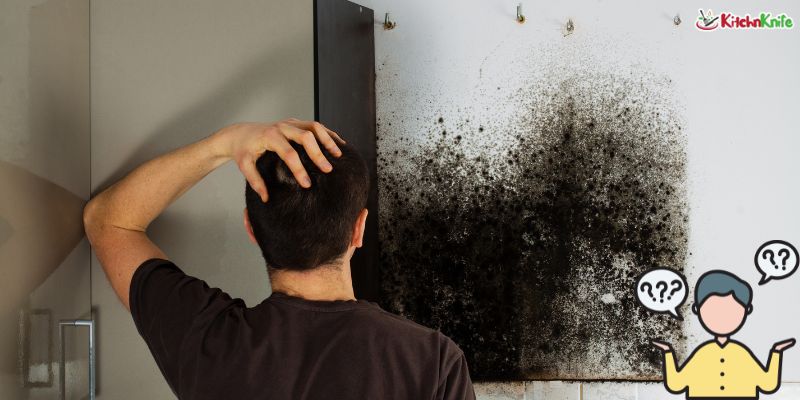
You open a kitchen cabinet and notice dark spots. Or a musty smell hits you when you reach for something under the sink. That is mold and it needs to be dealt with right away.
Mold growth inside kitchen cabinets is more common than most people realize. Kitchens are warm and humid. Moisture from cooking, the sink, and poor ventilation creates the perfect conditions for mold to grow. And once it starts, it spreads fast.
The good news is that you can remove mold from kitchen cabinets yourself. You do not always need a professional. With the right method and the right products, you can clean the mold, treat the surface, and prevent it from coming back.
This guide covers everything from identifying the mold to choosing the right mold treatment for wood cabinets, laminate, and under sink areas.
Is the Mold Dangerous?
Not all mold is equally harmful. But all mold should be removed. Here is what you need to know.
Common kitchen cabinet mold is usually green, grey, or black. It grows on surfaces where moisture and food residue meet. Most surface mold can be cleaned safely at home.
Black mold (Stachybotrys) is more serious. It has a dark greenish-black color and a slimy texture. It grows on materials that have stayed wet for a long time, often after water damage. Black mold produces mould spores that can cause respiratory issues, headaches, and allergic reactions.
When to call a professional:
- The mold covers an area larger than 10 square feet.
- You find mold inside the cabinet walls or behind the cabinet structure.
- The cabinet wood is soft, warped, or crumbling — signs of serious mold damage.
- The mold returns within days of cleaning repeatedly.
- Anyone in the home has respiratory conditions or allergies that worsen near the mold area.
For smaller patches of surface mold which is what most kitchen cabinet mold is you can handle it yourself safely.
Safety First: Protect Yourself Before You Start
Mold spores become airborne when disturbed. Breathing them in causes irritation and can trigger allergic reactions. Before you begin any mold treatment, protect yourself.
Wear these before you start:
- Rubber gloves to protect your hands from mold and cleaning solutions
- An N95 or FFP2 face mask to prevent inhaling mould spores
- Safety goggles to protect your eyes
- Old clothing that you can wash immediately after
Prepare the area:
- Open windows and doors to ventilate the kitchen fully.
- Remove everything from inside the affected cabinet. Place items in a clean area away from the mold.
- Check the removed items carefully. If any show signs of mold growth, clean them separately before putting them back.
- Place old towels or newspaper on the floor below the cabinet to catch drips during cleaning.
Step 1: Identify the Source of the Moisture
Cleaning the mold is not enough if you do not fix what caused it. Mold grows where moisture lives. Find the moisture source first or the mold will come back within weeks.
Common moisture sources in kitchen cabinets:
- A slow leak in the plumbing under the sink this is the single most common cause of under sink mold
- Condensation on cold pipes inside the cabinet
- Poor ventilation trapping steam and humidity
- A leaking dishwasher or refrigerator water line nearby
- Water damage from a past overflow or flood that was never fully dried
- Gaps or cracks in the cabinet seal where moisture seeps in
How to check:
- Feel inside the cabinet for damp spots on the wood.
- Look for water stains, warping, or soft patches all signs of water damage.
- Check all pipe connections under the sink for drips. Place dry paper towels around the pipes and check them an hour later.
- Look at the cabinet back panel moisture often collects there first.
Fix any leak or moisture issue before or alongside cleaning. Without fixing the source, the mold will grow back no matter how well you clean.
Step 2: Choose the Right Mold Treatment Solution
Different situations call for different cleaning solutions. Here are the best options for kitchen cabinet mold treatment.
White vinegar best for wood cabinets and light mold
White vinegar kills about 82% of mold species. It is safe for wood cabinet surfaces and does not damage the finish when used correctly. It also neutralizes mould spores and prevents regrowth.
Use undiluted white vinegar for best results on wooden cabinets.
Baking soda best for mild mold and odor removal
Baking soda is gentle, non-toxic, and safe for all cabinet surfaces. It kills mold, absorbs moisture, and removes the musty smell that comes with mold growth. Use it as a paste or dissolved in water.
Hydrogen peroxide (3%) best for stubborn mold on non-porous surfaces
Hydrogen peroxide at 3% concentration kills mold effectively on laminate and sealed surfaces. It is stronger than vinegar but still safe for home use. Do not use it repeatedly on bare wood it can lighten the color.
Diluted bleach best for severe mold on non-porous surfaces
Mix one cup of bleach with one gallon of water. This is the strongest option. It kills mold and mould spores on laminate, tile, and sealed cabinet surfaces. However, bleach is not recommended for raw wood or wooden cabinets with unfinished interiors. It can weaken wood fibers over time with repeated use.
Tea tree oil best natural antifungal option
Mix two teaspoons of tea tree oil with two cups of water in a spray bottle. Tea tree oil is a powerful natural antifungal. It kills mold and leaves a protective barrier that slows future mold growth. It is safe for wood and all cabinet surfaces.
Step 3: Clean Surface Mold From Kitchen Cabinets
Now you are ready to clean. Follow these steps carefully.
For wooden cabinets and wood cabinet interiors:
- Spray undiluted white vinegar directly onto the moldy area. Cover the entire patch plus a few centimeters around it. Mold often spreads beyond what is visible.
- Let the vinegar sit for one full hour. Do not wipe it off early. The vinegar needs time to penetrate the wood and kill the mold at its roots.
- After one hour, scrub the area firmly with a stiff brush or an old toothbrush for corners and tight spots. Use circular motions and work from the outer edge of the mold inward. This prevents spreading mould spores to clean areas.
- Wipe away the loosened mold with a damp cloth. Rinse the cloth in clean water frequently to avoid spreading mold.
- Dry the surface immediately and thoroughly with a clean dry cloth.
- Spray the area once more with vinegar and leave it to air dry fully. Do not rinse this second application it acts as a protective treatment.
For laminate or sealed cabinet surfaces:
- Mix one cup of hydrogen peroxide or one cup of bleach solution in a spray bottle.
- Spray onto the moldy surface.
- Leave for 10 minutes.
- Scrub with a stiff brush.
- Wipe clean with a damp cloth.
- Dry completely.
Step 4: Treat Under Sink Mold
The under sink area is the most common place for serious mold growth in kitchen cabinets. It combines a water source, low ventilation, and often a dark, damp environment.
Under sink mold often covers the cabinet floor, the back panel, and even climbs up the side walls. It needs thorough treatment.
How to treat it:
- Empty everything from under the sink completely.
- Check for any active plumbing leak. If water is dripping from a pipe joint or the supply lines, fix the leak before anything else.
- Assess the mold damage. If the cabinet floor or back panel is soft, spongy, or crumbling, the wood may need to be replaced. Severely damaged wood cannot be cleaned it must be removed.
- For treatable mold, apply your chosen cleaning solution vinegar for unfinished wood, bleach solution or hydrogen peroxide for sealed or painted surfaces.
- Scrub all affected surfaces thoroughly the floor, back panel, and side walls.
- Wipe clean and dry completely.
- Leave the cabinet doors open for several hours to allow the interior to dry fully. Use a fan directed into the cabinet to speed up drying.
- Once fully dry, apply a second treatment of white vinegar or tea tree oil solution as a protective barrier.
If the mold damage has reached the structural wood behind the cabinet panels, this becomes a mold remediation job. At that point, professional help is the right choice.
Step 5: Clean and Treat the Cabinet Doors and Exterior
Mold does not always stay inside. It can spread to the cabinet doors and exterior surfaces especially in high-humidity kitchens.
For painted or laminate cabinet doors:
- Wipe with a diluted bleach solution or hydrogen peroxide.
- Scrub any visible spots.
- Rinse with a clean damp cloth.
- Dry immediately.
For solid wood or wooden cabinet doors:
- Use the white vinegar method.
- Scrub gently do not soak the wood with excess liquid.
- Dry thoroughly.
- Check hinges and the gap between the door and frame. Mold hides in these narrow spaces. Use a toothbrush to clean them.
How to Prevent Mold From Coming Back
Cleaning is only half the work. Preventing future mold growth is just as important.
Fix moisture at the source. Repair any plumbing leak immediately. Even a slow drip creates enough moisture for mold growth within days. Check under the sink every month for any new moisture.
Improve ventilation. Leave cabinet doors ajar occasionally to allow air to circulate inside. Good airflow prevents moisture buildup.
Use a moisture absorber. Place silica gel packs or a small moisture absorber inside cabinets especially under the sink. Replace them every one to two months. These pull excess humidity from the air inside the cabinet.
Seal bare wood. If the interior of your wooden cabinets is unfinished or raw wood, apply a wood sealant or primer. This creates a moisture barrier. It makes the wood much harder for mold to penetrate.
Line cabinet shelves. Use removable, washable shelf liner. This protects the wood underneath from spills and moisture. Replace the liner every six months.
Check regularly. Look inside cabinets especially under the sink once a month. Catching mold early makes treatment fast and easy. Early mold is surface level. Late mold reaches deep into the wood and requires far more work.
Keep the kitchen ventilated. Run the extractor fan when cooking. Open windows regularly. Lower overall kitchen humidity and you prevent mould spores from finding the conditions they need to grow.
Mold Treatment Comparison Table
| Cleaning Solution | Best For | Safe on Wood? | Strength |
|---|---|---|---|
| White vinegar | Wood cabinets, light mold | Yes | Moderate |
| Baking soda paste | Mild mold, odor removal | Yes | Gentle |
| Hydrogen peroxide (3%) | Laminate, sealed surfaces | Use with caution | Moderate–Strong |
| Diluted bleach | Non-porous surfaces, severe mold | Not recommended | Strong |
| Tea tree oil spray | All surfaces, prevention | Yes | Moderate |
When Mold Means Replacement
Sometimes mold damage goes too far for cleaning. Here are the signs that part or all of a cabinet needs to be replaced.
- The wood is soft, spongy, or crumbles when pressed.
- The cabinet floor or back panel has warped significantly from water damage.
- Mold has grown through the back panel into the wall structure behind.
- A strong mold smell persists even after thorough cleaning and drying.
- Mold keeps returning within days despite repeated mold treatment.
In these cases, professional mold remediation is the safest path. They assess the full extent of the mold damage, treat the structure properly, and replace what cannot be saved.
Frequently Asked Questions
Q: What causes mold inside kitchen cabinets? The most common causes are a plumbing leak under the sink, high kitchen humidity, poor ventilation inside the cabinet, and water damage from past spills that were not dried properly. Mold growth needs moisture, warmth, and an organic surface wood cabinets in a kitchen provide all three.
Q: Is white vinegar strong enough to kill mold on wooden cabinets? Yes. White vinegar kills approximately 82% of mold species and is safe for wood surfaces. Apply it undiluted, let it sit for one hour, then scrub and dry. A second application left to air dry adds further protection.
Q: Can I use bleach on wooden cabinets to remove mold? Bleach is not recommended for raw or unfinished wood. It can weaken wood fibers over time. Use white vinegar or hydrogen peroxide on wooden cabinets instead. Bleach works well on laminate, tile, and sealed non-porous surfaces.
Q: How do I remove mold from under the sink cabinet? Empty the cabinet, fix any plumbing leak first, then treat all affected surfaces with white vinegar or bleach solution depending on the surface type. Scrub thoroughly, wipe clean, and dry completely. Leave the doors open with a fan running to fully dry the interior before using it again.
Final Thoughts
Mold in kitchen cabinets is a serious problem. But it is one you can fix.
Find the moisture source first. Protect yourself before cleaning. Choose the right mold treatment for your cabinet type vinegar and tea tree oil for wooden cabinets, bleach solution for laminate and sealed surfaces. Scrub thoroughly. Dry completely.
Then take steps to prevent mold growth from returning. Fix leaks. Improve airflow. Use moisture absorbers. Check regularly.
Mold caught early is easy to remove. Mold left too long causes mold damage that requires far more work or full replacement. Act now, follow the steps in this guide, and your kitchen cabinets will be clean, safe, and mold-free.