
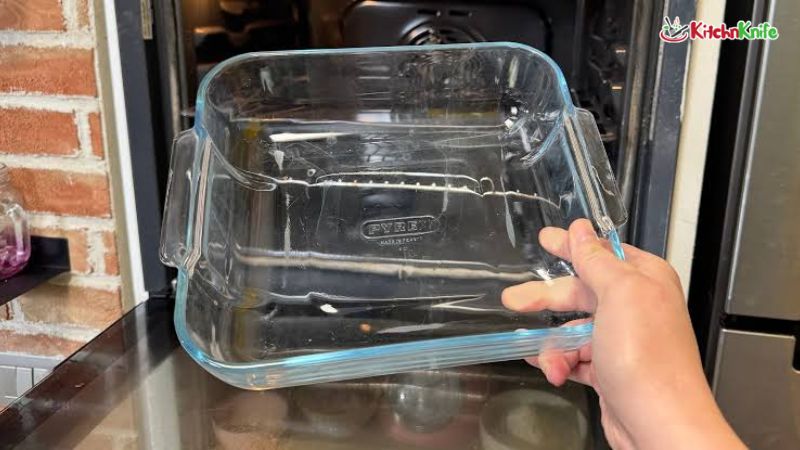
Many people pull a glass container of leftovers from the fridge and want to pop it right into a hot oven. It seems convenient. But is it safe? The short answer: not always. Let’s break down why, and how to do it the right way.
Quick Answer
Most everyday glass storage containers, like the ones with plastic lids used for meal prep, are not built for sudden temperature changes. Moving them straight from a cold fridge to a hot oven can cause them to crack or shatter. Only specific types of tempered or borosilicate glass are made for this kind of temperature jump, and even then, care is needed.
Why Glass Can Break With Sudden Heat Changes
Glass expands when heated and contracts when cooled. This is called thermal shock.
- When cold glass hits high heat too fast, the outer surface heats up before the inside does.
- This uneven expansion creates stress inside the glass.
- That stress can cause the container to crack, or in some cases, shatter suddenly.
This is the main reason cold glass and hot ovens don’t always mix well.
Not All Glass Is the Same
Glass storage containers vary in how they handle heat. Here’s a simple breakdown.
1. Soda-Lime Glass
This is the most common glass used in cheap storage containers. It is not designed for high heat resistance. Sudden temperature swings can crack it easily.
2. Borosilicate Glass
This type resists temperature changes much better. Brands like Pyrex (older versions) and Duralex use borosilicate glass. It can often go from fridge to a moderately heated oven, but manufacturers still recommend caution.
3. Tempered Soda-Lime Glass
Most modern Pyrex and similar brands now use tempered soda-lime glass. It’s strong against impact but less resistant to thermal shock than borosilicate. This is why many newer glass dishes crack unexpectedly, even though older glass didn’t.
What Manufacturers Actually Recommend
Most container brands, including popular meal-prep glass sets, advise the following:
- Let the container reach room temperature before placing it in the oven.
- Avoid extreme temperature jumps, such as freezer to oven.
- Check the maximum oven-safe temperature printed on the container or box.
- Never place a cold glass dish on a very hot surface, like a stovetop or hot pan.
- Remove plastic lids before heating, since most are not oven-safe at all.
Always check the bottom of your container. Look for an “oven-safe” label and a maximum temperature. If there’s no label, don’t risk it.
Safe Steps to Move Glass From Fridge to Oven
If your container is labeled oven-safe, follow these steps to lower the risk of breakage.
- Take the container out of the fridge and set it on the counter.
- Wait 15 to 20 minutes to let it warm closer to room temperature.
- Remove any plastic or silicone lid.
- Place it into a cold or slightly warm oven, then turn the oven on. Avoid placing cold glass into an already hot oven.
- Avoid rapid preheating settings that spike oven temperature quickly.
- Use oven mitts and place the dish on a stable rack, not directly on a hot pan or burner.
Signs a Container Is Not Oven-Safe
Skip the oven if you notice any of these:
- No oven-safe symbol on the bottom
- A plastic snap-on lid meant only for storage
- Thin, lightweight glass (often a sign of cheaper soda-lime glass)
- Any existing cracks or chips, even small ones
Damaged glass is far more likely to fail under heat stress.
What About the Microwave?
Many people also microwave the same containers. Microwaving is generally gentler than an oven because it heats more evenly and at lower peak temperatures. Still, always remove metal-trimmed lids and check for a microwave-safe label.
Final Takeaway
Large glass storage containers can sometimes go from the fridge to the oven, but only if they are made from oven-safe glass, like borosilicate, and only after warming up a bit first. Skipping this step raises the risk of cracking or shattering due to thermal shock.
When in doubt, check the label, warm the dish slightly, and avoid extreme temperature jumps. A few extra minutes of caution can save your dish, and your oven, from a mess.