
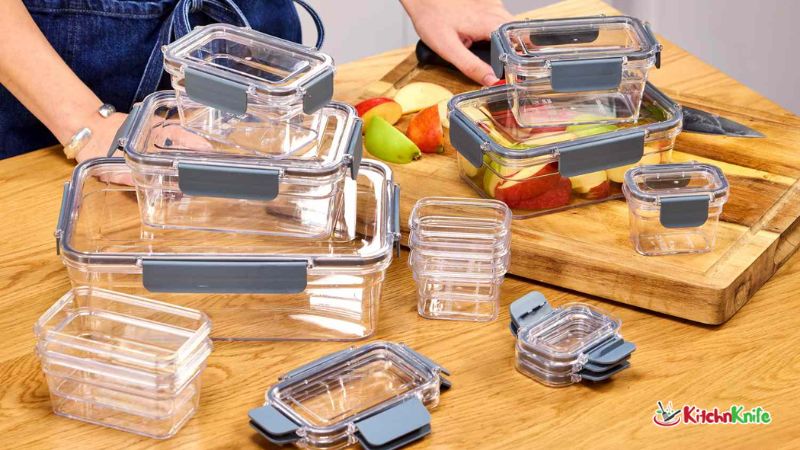
Plastic containers can release microplastics and chemicals into food, especially when heated. Glass does not do this. It is chemically stable, so it will not react with acidic foods like tomatoes or citrus. It is also easy to clean and does not stain or absorb smells over time.
For large containers meant for bulk storage, such as flour, rice, soups, or leftovers, the type of glass matters even more. Bigger containers face more stress from temperature swings, stacking, and daily handling.
Borosilicate Glass: The Top Choice
Borosilicate glass is the gold standard for food storage. It is made by adding boron trioxide to silica during production. This gives the glass a lower rate of thermal expansion.
Key benefits:
- Handles sudden temperature changes without cracking
- Safe to move from the freezer to the oven
- Resists chipping better than standard glass
- Free of BPA, lead, and other harmful additives
Brands like Pyrex (in its original formula), Duralex, and many premium meal prep sets use borosilicate glass. If you plan to freeze soups or reheat leftovers directly in the container, this is the safest and most practical option.
Soda Lime Glass: Common but Limited
Soda lime glass is the most widely used glass in the world. You will find it in mason jars, drinking glasses, and many budget food containers. It costs less to produce, which makes it affordable.
However, soda lime glass expands more when heated. This makes it more likely to crack under sudden temperature shifts. It is fine for storing dry goods or cold leftovers in the fridge. It is not ideal for oven use or for moving straight from freezer to stovetop.
Best for:
- Pantry storage (grains, pasta, sugar)
- Cold or room temperature meal prep
- Everyday jars and canisters
Tempered Glass: Added Strength
Tempered glass goes through a heating and rapid cooling process that strengthens the surface. It is more resistant to impact than regular soda lime glass. Some large storage containers use tempered soda lime glass to balance cost with durability.
When tempered glass does break, it shatters into small, blunt pieces rather than sharp shards. This makes it a safer option for busy kitchens or homes with children.
Keep in mind that tempered glass still does not handle extreme heat as well as borosilicate. Always check the label before placing it in a hot oven.
What to Check Before You Buy
Use this checklist when shopping for large glass food storage containers:
- Look for “borosilicate” on the label if you need oven or freezer safety.
- Check the lid material. Many lids are plastic or silicone. Choose BPA free options.
- Confirm the temperature range. Manufacturers usually list safe minimum and maximum temperatures.
- Avoid painted or decorated interiors. Some decorative glazes contain lead or cadmium.
- Choose thicker glass for large sizes. Bigger containers need more structural support to avoid cracking under their own weight.
Care Tips for Long Lasting Containers
Even the safest glass needs proper care to last.
- Let hot food cool slightly before sealing a lid.
- Avoid placing a cold glass container directly on a hot stove.
- Hand wash containers with delicate etching or decoration.
- Store containers with lids off in the freezer to prevent seal cracks.
- Inspect regularly for small chips, which can weaken the glass over time.
Final Thoughts
For large food storage containers, borosilicate glass is the safest and most versatile choice. It resists heat shock, avoids chemical leaching, and holds up well over years of daily use. Soda lime and tempered glass work fine for everyday pantry and fridge storage, but they are not built for extreme temperature changes.
Before buying, always check the glass type, lid material, and temperature rating. A few minutes of research now can save you from cracked containers and wasted food later.