
Last Updated on August 15, 2026 by Susanna Zuyeva
Glass storage containers look great on kitchen shelves. They keep food fresh and free from plastic chemicals. But large glass containers also bring real challenges. Before you buy a full set, it helps to know the downsides.
This guide covers the most common problems people face with large glass storage containers. You’ll also get simple tips to avoid them.
1. Weight and Handling Issues
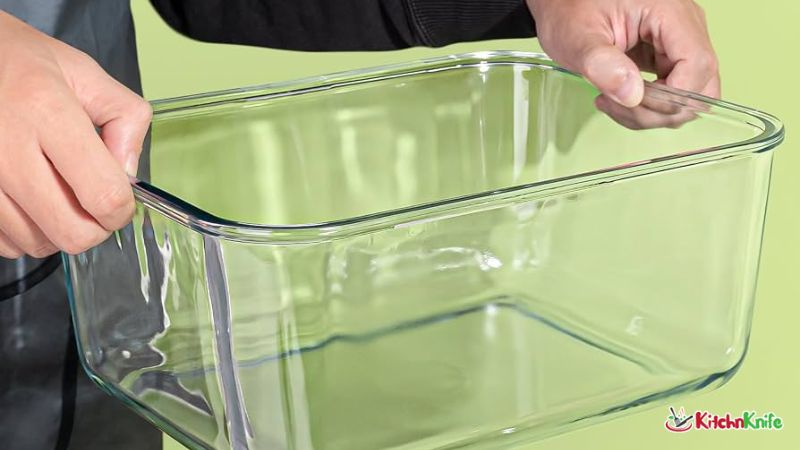
Glass is heavy. A large glass container filled with food can weigh several pounds. This makes it hard to carry, especially with one hand.
- Lifting a full container off a high shelf can strain your wrist.
- Kids and elderly users may struggle to handle them safely.
- A heavy, full container is more likely to slip from wet hands.
If you lift heavy jars often, this weight adds up over time.
2. Breakage and Safety Risks
Glass breaks. This is the biggest concern with large containers. A dropped container can shatter into sharp pieces across the floor.
- Broken glass can hide in food or spread across a wide area.
- Cleanup takes longer and carries injury risk.
- Large containers break more dramatically than small ones due to their size and weight.
Even a small chip on the rim can turn into a bigger crack over time.
3. Temperature Shock (Thermal Stress)
Glass does not handle sudden temperature changes well. This is called thermal shock.
- Pouring hot soup into a cold glass container can crack it instantly.
- Moving a container straight from the freezer to the oven often causes breakage.
- Even dishwasher heat cycles can stress large glass pieces over time.
Large containers are more prone to this than small jars because they hold more mass and heat unevenly.
4. Storage Space Challenges
Large glass containers take up a lot of room. Unlike plastic, they don’t compress, fold, or nest easily.
- Empty containers still take full shelf space.
- Round or oddly shaped jars waste cabinet space.
- Pantries with limited shelving fill up fast.
This is a common complaint for people with smaller kitchens.
5. Higher Cost
Glass storage containers usually cost more than plastic ones. Large sizes cost even more.
- A full set of large glass containers can be a big upfront expense.
- Replacing broken pieces adds ongoing cost.
- Specialty lids (silicone or bamboo) raise the price further.
For budget-conscious buyers, this is worth factoring in.
6. Limited Stackability
Many large glass containers don’t stack well, especially round ones.
- Round shapes leave gaps between containers.
- Stacked glass is more likely to slide and fall.
- Lids often aren’t designed for stacking at all.
This makes fridge and pantry organization harder than expected.
7. Not Ideal for Freezing
Not all glass is freezer-safe, and large containers make this risk worse.
- Liquids expand as they freeze. In a large sealed container, this pressure can crack the glass.
- Filling containers too full before freezing is a common mistake.
- Sudden temperature drops can also cause stress fractures.
Always check if a container is labeled freezer-safe before use.
Tips to Avoid These Problems
You can still enjoy the benefits of glass storage with a few smart habits:
- Leave room for expansion. Never fill containers to the brim before freezing.
- Let food cool first. Avoid pouring hot food directly into cold glass.
- Handle with both hands. Especially for large, full containers.
- Choose tempered glass. It resists thermal shock better than regular glass.
- Store on low, stable shelves. This reduces drop height and breakage risk.
- Check lids regularly. Cracked seals lead to spills and waste.
Final Thoughts
Large glass storage containers offer real benefits. They’re non-toxic, easy to clean, and better for the environment than plastic. But they also come with practical problems — weight, breakage, cost, and storage space among them.
Knowing these issues ahead of time helps you use glass containers safely and get the most value from them. With the right care, glass can still be a smart long-term choice for your kitchen.